



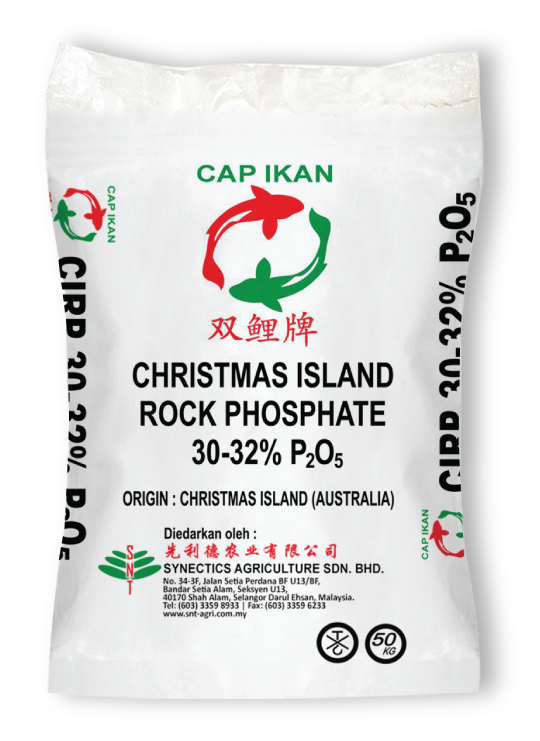
Rock Phosphate
Rock phosphate is a natural mineral phosphorus source providing slow-release nutrients building long-term soil phosphorus reserves.
Our premium rock phosphate contains high phosphorus concentrations supporting comprehensive plant nutrition without synthetic processing.
Blue Compost Investments rock phosphate sourced from certified natural mineral deposits processed through mechanical methods only.
Natural rock phosphate supports sustainable and organic agriculture practices while building permanent soil fertility for generations.
Quality rock phosphate bulk delivery provides cost-effective phosphorus nutrition for farms, gardens, and long-term soil building projects.

Free Shipping
We’re taking the extra cost out of your cart. Enjoy Free Standard Shipping on every order – no minimum purchase, no coupon code needed. Just the products you love, delivered right to your door for the price you see.

Products Guaranty
At Blue Compost Investments, we stand behind every product we deliver. Our Products Guaranty ensures that you receive only high-quality, reliable items or we make it right.
The Complete Guide to Premium Rock Phosphate for Sustainable Soil Building and Long-Term Agricultural Productivity
Rock phosphate represents a fundamental natural fertilizer providing slow-release phosphorus supporting comprehensive plant nutrition while establishing permanent soil phosphorus reserves through gradual weathering and biological processes. This unprocessed mineral product delivers phosphorus compounds that transform into plant-available forms over extended periods through microbial activity, organic acid interactions, and natural soil chemical processes. Blue Compost Investments specializes in sourcing premium rock phosphate from certified natural mineral deposits processed through purely mechanical methods preserving nutrient characteristics and agricultural performance. Our rock phosphate products provide optimal solutions for organic farmers, sustainable agriculture practitioners, and operations seeking natural nutrient sources supporting maximum soil health while building permanent fertility supporting agricultural productivity indefinitely.
Understanding Rock Phosphate Composition and Nutrient Availability
Rock phosphate comprises naturally occurring mineral deposits containing phosphate minerals including apatite and other calcium phosphate compounds. Premium rock phosphate typically delivers phosphorus concentrations ranging from 30-35% as phosphorus pentoxide (P2O5), depending on mineral source and geological origin. The slow-release characteristics of rock phosphate prevent phosphorus leaching losses common with synthetic fertilizers, improving nutrient use efficiency substantially over extended timeframes.
Phosphorus in rock phosphate exists as calcium phosphate compounds requiring microbial activity and organic acid interactions for transformation into plant-available forms. This slow-release mechanism provides sustained phosphorus availability throughout growing seasons and across multiple years through gradual weathering and decomposition. The bioavailability of rock phosphate phosphorus increases significantly in acidic soils and when combined with organic matter supporting active microbial communities.
Natural Mineral Composition and Secondary Nutrient Benefits
Premium rock phosphate contains valuable secondary minerals including calcium, magnesium, silicon, and trace elements supporting comprehensive soil fertility. The calcium content in rock phosphate ranges from 30-40%, providing crucial calcium supplementation while balancing soil chemistry. Magnesium content contributes to chlorophyll synthesis and enzyme function in consuming plants. Silicon present in rock phosphate strengthens plant cell walls, enhancing disease resistance and stress tolerance.
The trace mineral content of rock phosphate includes iron, manganese, copper, zinc, boron, and molybdenum—micronutrients essential for optimal plant development and pest resistance. These secondary minerals become incorporated into soil systems through rock phosphate weathering, gradually enriching mineral-depleted agricultural soils. The cumulative effect of multiple growing seasons with rock phosphate applications establishes comprehensive mineral nutrition supporting vigorous plant growth without requiring supplemental micronutrient inputs.
Blue Compost Investments Rock Phosphate Excellence Standards
Our commitment to rock phosphate quality extends throughout sourcing, processing, and quality assurance stages. Blue Compost Investments partners with certified natural mineral operations maintaining rigorous environmental standards and responsible mining practices. Our rock phosphate source deposits meet strict organic certification requirements, containing no synthetic additives or prohibited materials conflicting with organic agriculture principles.
The rock phosphate grinding process employs mechanical methods preserving mineral structure and nutrient characteristics without chemical treatments or synthetic additives. Each rock phosphate batch undergoes comprehensive analysis verifying phosphorus content, particle size distribution, and purity standards ensuring consistent quality. Our rock phosphate particle sizing balances fine grinding supporting microbial solubilization with sufficient granule size preventing dust formation during handling and application.
Particle Size and Bioavailability Optimization
Rock phosphate effectiveness depends significantly on particle size, influencing weathering rates and phosphorus solubilization in soil environments. Fine rock phosphate particles under 200 mesh provide enhanced bioavailability through increased surface area exposure to soil moisture, microbial activity, and organic acids. This fine grinding allows faster phosphorus release supporting plant nutrition within single to multiple growing seasons.
Medium-ground rock phosphate particles provide balanced characteristics between fine grades offering rapid solubilization and coarser grades supporting extended nutrient reserve building. This particle size suits mixed operations combining immediate nutrient needs with long-term soil fertility development objectives. Coarser rock phosphate grades support long-term phosphorus reserve accumulation, providing sustained availability across multiple growing seasons or decades in established agricultural systems.
Rock Phosphate Applications Across Agricultural and Horticultural Systems
Organic Vegetable Production: Organic vegetable operations utilize rock phosphate as primary phosphorus source for certified organic production, supporting vigorous plant growth and robust root development. Rock phosphate particularly benefits root and bulb crops requiring excellent phosphorus nutrition. Regular rock phosphate applications establish phosphorus-rich soils supporting consistent yields without synthetic fertilizer dependence. For comprehensive organic agriculture guidance, consult resources from the Organic Farming Research Foundation regarding sustainable phosphorus management and certification standards.
Fruit and Tree Crop Production: Perennial fruit operations benefit substantially from rock phosphate applications supporting flowering, fruit quality, and overall tree productivity. Rock phosphate phosphorus accumulation in orchard soils establishes fertility reserves sustaining production for decades. Young orchards amended with rock phosphate develop superior root systems establishing earlier productivity compared to unamended plantings. Rock phosphate proves particularly valuable for long-term orchard establishment where permanent soil improvement justifies initial applications.
Pasture and Forage Production: Forage crops support superior nutritional profiles when grown in rock phosphate-amended soils. Increased plant phosphorus concentration improves livestock nutrition, supporting milk production quality, reproductive success, and overall animal performance. Rotational grazing systems benefit from rock phosphate applications supporting persistent pasture productivity and soil health improvement across decades.
Field Crop and Grain Production: Commodity crop operations utilize rock phosphate for sustainable phosphorus management, reducing synthetic fertilizer dependence while building soil reserves. Grain crops develop superior nutritional quality when grown in rock phosphate-amended soils, with increased phosphorus concentration supporting human nutrition. Rock phosphate applications prove particularly valuable in rotational systems incorporating legume crops that benefit from improved phosphorus availability.
Home and Community Gardens: Home gardeners utilize rock phosphate for establishing productive garden soils supporting abundant vegetable and flower production indefinitely. Single rock phosphate applications benefit gardens for multiple years through gradual nutrient release. Community gardens rely on rock phosphate for building permanent soil fertility supporting food production across extended timeframes.
Lawn and Landscape Establishment: Ornamental landscapes and sports fields utilize rock phosphate for sustainable turf establishment supporting dense, healthy grass development without synthetic chemical inputs. Rock phosphate amendments improve soil structure while supporting beneficial microbial populations promoting plant health and disease resistance naturally.
Container and Potting Media: Specialty nurseries incorporate rock phosphate into potting media and container substrates supporting sustained phosphorus availability throughout extended growing periods. Container plants grown in rock phosphate-amended media develop superior root systems and enhanced transplant vigor compared to conventional media lacking phosphorus.
Nursery and Landscape Operations: Ornamental plant nurseries incorporate rock phosphate into soil amendments supporting vigorous plant growth and superior aesthetic qualities. Nursery operations benefit from rock phosphate application cost savings compared to synthetic phosphorus products while supporting organic certification requirements.
Phosphorus Deficiency Prevention and Long-Term Fertility Building
Phosphorus represents an essential plant macronutrient supporting energy transfer, protein synthesis, and reproduction function critical for all plant development stages. Phosphorus deficiency symptoms including stunted growth, purple discoloration in foliage, and reduced flower and fruit development indicate nutrient deficiency requiring correction. Rock phosphate applications prevent deficiency development while establishing long-term soil phosphorus reserves preventing future deficiency problems indefinitely.
Adequate phosphorus nutrition supports superior root development critical for water and nutrient acquisition, drought tolerance, and disease resistance. Flowering and fruiting plants require elevated phosphorus nutrition during reproductive stages, with rock phosphate providing sustained availability throughout critical periods supporting reproductive success and yield optimization.
Rock Phosphate Chemistry and Soil Interaction Mechanisms
Rock phosphate phosphorus availability in soil depends on multiple factors including soil pH, moisture content, microbial activity, and organic matter abundance. Acidic soils naturally enhance rock phosphate solubilization through hydrogen ion replacement of calcium in rock phosphate minerals. In neutral or alkaline soils, rock phosphate availability depends substantially on organic acid production by microbial communities and plant roots dissolving rock phosphate minerals.
Combining rock phosphate with organic materials including compost, manure, or other organic amendments dramatically accelerates phosphorus solubilization through multiple mechanisms. The organic acids produced during organic matter decomposition solubilize rock phosphate minerals directly. Enhanced microbial populations in organic-rich soils produce additional organic acids and metabolites supporting rock phosphate phosphorus availability.
Mycorrhizal Fungi and Enhanced Nutrient Availability
Mycorrhizal fungi colonizing plant roots access rock phosphate phosphorus through fungal hyphae producing phosphatases that liberate phosphorus from mineral compounds. The symbiotic mycorrhizal relationships established in biologically active soils substantially improve rock phosphate phosphorus availability compared to systems lacking mycorrhizal colonization. Supporting mycorrhizal fungal communities through organic matter additions and reduced soil disturbance maximizes rock phosphate effectiveness.
Rock phosphate applications combined with practices supporting mycorrhizal colonization establish self-sustaining nutrient cycling systems reducing external input requirements over time. Long-term rock phosphate use supports increasingly productive soils requiring progressively less supplemental phosphorus input through natural nutrient accumulation.
Environmental Benefits and Sustainability Advantages
Rock phosphate mining and utilization supports circular economy principles through renewable natural resource harvesting and responsible stewardship. Utilizing rock phosphate reduces dependence on synthetic phosphate fertilizers manufactured through energy-intensive industrial processes generating substantial carbon emissions. Rock phosphate applications support long-term agricultural sustainability through soil phosphorus reserve building sustaining productivity across multiple generations.
Reduced synthetic fertilizer dependence associated with rock phosphate utilization decreases agricultural nitrogen and potassium fertilizer requirements, further lowering carbon footprint and environmental impact. Improved soil structure and organic matter associated with rock phosphate and organic amendment combinations reduces erosion, protects water quality, and supports ecosystem restoration in agricultural landscapes.
Application Rates and Best Management Practices
Optimal rock phosphate application rates depend on soil testing results, crop requirements, and phosphorus depletion levels. Initial applications for phosphorus-deficient soils typically range from 1000-2000 pounds per acre, establishing phosphorus reserves supporting multiple growing seasons. Subsequent maintenance applications of 500-1000 pounds per acre every 3-5 years replenish phosphorus depletion supporting sustained productivity.
Vegetable gardens benefit from 500-1000 pounds per 1000 square feet initially, with 200-300 pounds per 1000 square feet applied annually thereafter. Combine rock phosphate with compost or organic materials enhancing solubilization and establishing favorable soil chemistry supporting phosphorus availability. Apply rock phosphate during fall or early spring, allowing extended weathering and microbial interaction before peak growing seasons.
Till or incorporate rock phosphate into soil contact promoting weathering and microbial solubilization. Water applied areas establishing soil moisture supporting dissolution processes. Conduct soil testing regularly monitoring phosphorus levels and adjusting application rates maintaining optimal nutrition.
Certification and Organic Approval
Blue Compost Investments rock phosphate meets certified organic standards established by the U.S. Department of Agriculture National Organic Program and various organic certifying organizations. Our rock phosphate products receive OMRI listing, verifying approval for organic crop production. Comprehensive documentation accompanies each rock phosphate shipment, verifying organic certification status supporting organic producer compliance requirements.
Utilizing OMRI-listed rock phosphate supports organic farm certification achievements, meeting strict production requirement verification. Organic crop producers require transparent input sourcing, making certified rock phosphate selection essential for successful organic certifications and regulatory compliance.
Storage and Handling Best Practices
Store rock phosphate in dry locations preventing excessive moisture that may initiate premature weathering and nutrient loss. Proper storage maintains rock phosphate quality indefinitely, allowing flexible application scheduling. Maintain adequate separation between rock phosphate storage and other materials preventing contamination or inappropriate mixture.
Handle rock phosphate using standard agricultural equipment without special modifications. Wear dust protection when handling rock phosphate, minimizing inhalation exposure during application activities. Implement inventory tracking ensuring timely utilization and preventing excessive storage periods that degrade product characteristics.
Properly stored rock phosphate maintains quality for extended periods, accommodating seasonal application flexibility and operational requirements. No special storage infrastructure required compared to synthetic fertilizer management.
Soil Testing and Application Planning
Conduct comprehensive soil testing before rock phosphate applications, quantifying phosphorus availability and determining application requirements. Soil phosphorus recommendations vary based on crop type, target yield levels, and soil extraction methodology. Professional soil testing services provide phosphorus recommendations and rock phosphate application rates customized to specific operation requirements.
Implement regular soil testing monitoring phosphorus levels and plant uptake, adjusting rock phosphate applications maintaining optimal nutrition. Combined soil testing with plant tissue analysis provides comprehensive nutritional assessment supporting refined feeding program development. Work with agricultural extension services or independent soil testing laboratories optimizing rock phosphate application strategies.
Long-Term Soil Fertility Development
Rock phosphate applications establish permanent soil improvements supporting agricultural productivity indefinitely. Single applications benefit soils for years through gradual nutrient release and accumulation. Cumulative applications over multiple years establish phosphorus reserves supporting agricultural productivity across generations without requiring continuous inputs.
The permanent nature of rock phosphate improvements distinguishes it from annual synthetic fertilizer requirements. Farming operations investing in rock phosphate establish self-sustaining nutrient cycling systems reducing dependency on external inputs. Long-term cost savings from reduced fertilizer purchases justify initial rock phosphate investments supporting operational profitability.
Bulk Ordering and Convenient Delivery Solutions
Blue Compost Investments offers convenient rock phosphate ordering through our comprehensive shop page, featuring premium rock phosphate varieties and bulk sizing options. Our agricultural and soil specialists provide professional consultation assisting customers in developing customized rock phosphate application plans for specific crop and soil requirements. Bulk rock phosphate orders qualify for competitive pricing and flexible delivery scheduling, accommodating farm operations of all sizes and long-term soil building projects.
Premium rock phosphate represents essential investment supporting sustainable agriculture, environmental protection, and permanent soil fertility development. Trust Blue Compost Investments for reliable, certified natural rock phosphate backed by agricultural expertise and environmental commitment.
You must be logged in to post a review.


Reviews
Clear filtersThere are no reviews yet.