

The Complete Guide to Premium Anhydrous Ammonia for Maximum Crop Nutrition and Agricultural Productivity
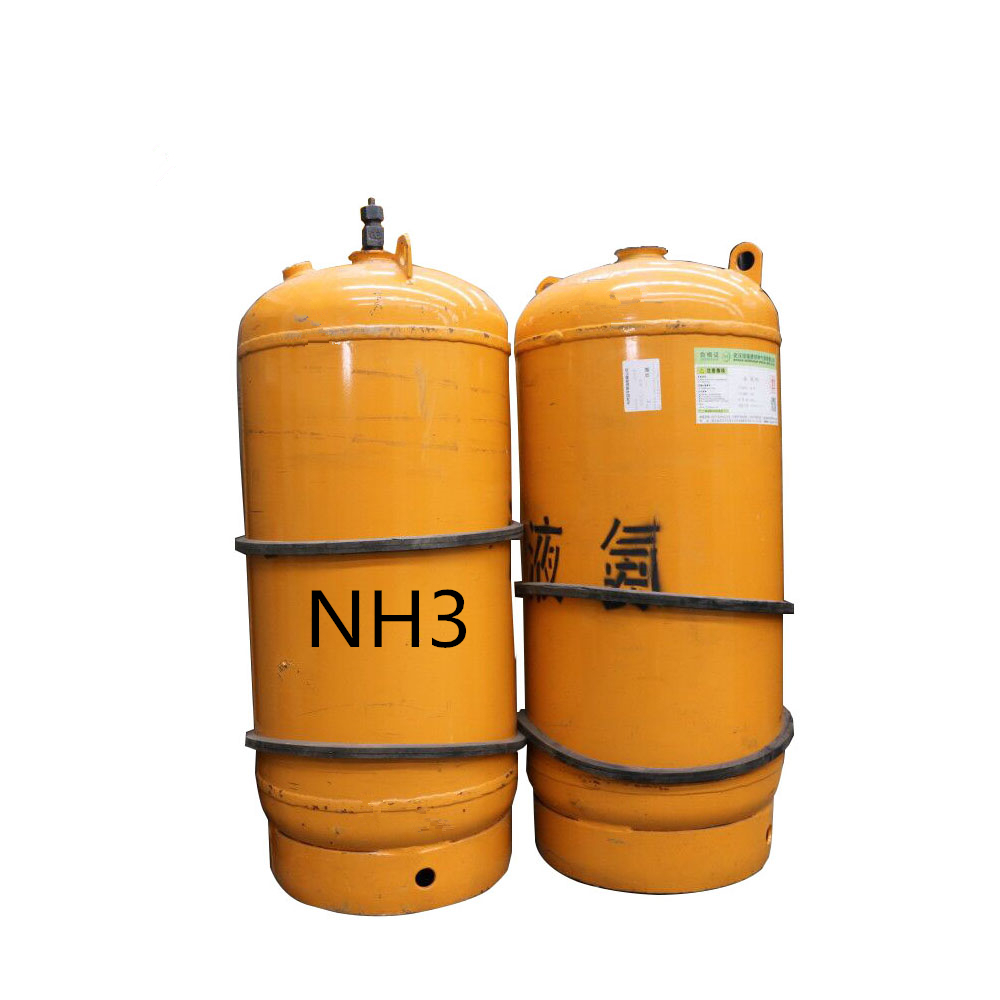
Anhydrous ammonia represents the most concentrated nitrogen fertilizer available to modern agricultural operations worldwide, delivering 82% nitrogen content providing exceptional value and efficiency for large-scale commodity crop production systems. This pressurized liquid nitrogen source delivers nitrogen in ammonia form, supporting both immediate plant uptake and sustained availability through gradual nitrification in soil systems. Blue Compost Investments specializes in sourcing premium anhydrous ammonia from certified manufacturers employing rigorous quality control ensuring consistent nutrient composition and agricultural safety. Our anhydrous ammonia products provide optimal solutions for commodity crop producers, large-scale farming operations, and farmers seeking maximum nitrogen concentration with superior cost-efficiency while maintaining agricultural productivity and soil health.
Understanding Anhydrous Ammonia Composition and Nutrient Availability
Anhydrous ammonia comprises pressurized liquid ammonia (NH3) containing nitrogen in its most concentrated form. Premium anhydrous ammonia typically delivers nitrogen concentrations of 82%, the highest nitrogen percentage of any commercial fertilizer product. The concentrated formulation ensures minimal transportation and application volumes delivering maximum nutrient per unit product.
Nitrogen in anhydrous ammonia exists in ammonia form, providing plant-available nutrient immediately upon soil injection and dissolution. The ammonia rapidly dissolves in soil moisture, establishing ammonium ions available for immediate root uptake. Upon soil contact, ammonia undergoes nitrification through microbial activity, providing both immediate ammonium availability and sustained nitrate supply throughout growing seasons.
Superior Nitrogen Concentration and Cost-Efficiency Advantages
The exceptional nitrogen concentration in anhydrous ammonia delivers maximum nutrient value per unit of product, reducing application volumes substantially compared to lower-concentration alternatives. Farmers applying anhydrous ammonia require smaller application quantities reducing equipment wear, fuel consumption, and labor requirements. The cumulative cost savings across large farming operations represent significant economic advantages supporting farm profitability.
High-volume commodity crop operations benefit tremendously from anhydrous ammonia’s exceptional cost-efficiency. The economics of nitrogen supplementation in grain, soybean, and other commodity crops favor maximum-concentration sources minimizing per-unit nutrient costs. Large-scale farmers managing thousands of acres benefit directly from anhydrous ammonia selection supporting maximum profitability across extensive farming operations.
Blue Compost Investments Anhydrous Ammonia Excellence Standards
Our commitment to anhydrous ammonia quality extends throughout sourcing, processing, and quality assurance stages. Blue Compost Investments partners with certified anhydrous ammonia manufacturers maintaining rigorous safety standards and quality control. Our anhydrous ammonia products meet or exceed agricultural safety requirements and regulatory standards.
The anhydrous ammonia production methodology employs proven synthesis techniques producing consistent, reliable products exceeding agricultural standards. Each anhydrous ammonia shipment undergoes comprehensive laboratory analysis verifying nitrogen content, purity standards, and absence of contaminants ensuring consistent quality. Our anhydrous ammonia formulations maintain excellent stability during storage and transportation.
Safety Standards and Regulatory Compliance
Premium anhydrous ammonia meets all federal and state safety requirements for agricultural use and transportation. Comprehensive safety protocols accompany all anhydrous ammonia operations ensuring operator safety and environmental protection. Proper equipment maintenance and handling procedures prevent accidents and ensure safe application.
Our anhydrous ammonia products include comprehensive safety documentation and handling guidelines supporting responsible agricultural use. Professional applicators trained in anhydrous ammonia handling ensure safe, effective operations across all application scenarios.
Anhydrous Ammonia Applications Across Agricultural Systems
Corn Production: Corn represents the primary crop receiving anhydrous ammonia applications, responding dramatically to high nitrogen availability. Enhanced nitrogen from anhydrous ammonia improves lodging resistance, grain yield, and grain quality. Corn requires substantial nitrogen nutrition making anhydrous ammonia economical choice for large-scale operations. For comprehensive corn production guidance, consult resources from the Corn Growers Association regarding nutrient management and productivity optimization strategies.
Soybean Production: Legume crops including soybeans utilize anhydrous ammonia particularly during establishment phases before nodulation becomes functional. Enhanced nitrogen availability supports vigorous plant development and early-season growth. Soybeans benefit from anhydrous ammonia supplementation achieving superior yields and plant vigor.
Small Grain Production: Wheat, barley, and oats respond dramatically to anhydrous ammonia applications supporting grain fill, test weight, and protein content. Enhanced nitrogen improves grain quality supporting premium market pricing. Small grain operations achieve superior productivity through strategic anhydrous ammonia supplementation.
Pasture and Forage Production: Forage crops support superior nutritional profiles when grown in anhydrous ammonia-amended fields. Enhanced nitrogen availability increases forage production volume and nutritional quality supporting livestock performance. Multiple cutting systems benefit from anhydrous ammonia applications replenishing nutrients between harvest cycles.
Specialty and High-Value Crop Production: Intensive vegetable and specialty crop operations employ anhydrous ammonia for foundational nitrogen nutrition supporting productivity. The flexibility of timing applications enables customized nutrient programs matching crop requirements. Enhanced nitrogen availability supports superior yields and quality.
Turf and Landscape Establishment: Large-scale turf operations utilize anhydrous ammonia for cost-effective nitrogen delivery supporting dense grass development. The concentrated formulation enables efficient application across extensive landscape projects.
Nitrogen Nutrition and Vegetative Development Optimization
Nitrogen represents the most abundant nutrient required by plants, supporting chlorophyll synthesis, protein formation, and vigorous vegetative growth. Nitrogen-deficient plants exhibit yellowing foliage, stunted growth, and reduced productivity indicating immediate nutrient requirement. Anhydrous ammonia nitrogen availability supports rapid correction of deficiency conditions restoring growth vigor.
The exceptional nitrogen concentration in anhydrous ammonia provides abundance of nutrient supporting maximum photosynthetic efficiency and metabolic function. Enhanced nitrogen availability optimizes growth rates throughout establishment and vegetative phases. Crops requiring intensive nitrogen nutrition respond dramatically to anhydrous ammonia supplementation.
Ammonium Nitrogen and Dual Availability Mechanism
Ammonium nitrogen in anhydrous ammonia provides both immediate availability and sustained release through soil nitrification. Enhanced ammonium availability during early season supports rapid establishment. The gradual conversion to nitrate through microbial action provides sustained nitrogen availability throughout growing seasons.
Different plant developmental stages utilize ammonium nitrogen optimally. Early establishment benefits from immediate ammonium availability. Mid and late-season growth responds to gradual nitrification supporting continuous productivity throughout extended growing periods.
Application Methods and Equipment Requirements
Anhydrous ammonia requires specialized application equipment including nurse tanks, applicator harnesses, and soil injection devices. Professional applicators trained in anhydrous ammonia handling operate specialized equipment safely and effectively. Proper equipment maintenance and calibration ensure accurate nutrient delivery and safety.
Application timing flexibility supports integration into existing farm operations. Fall applications through spring provide flexible scheduling accommodating operational requirements. Proper soil incorporation immediately following application prevents ammonia volatilization maximizing nutrient retention.
Soil Chemistry and Nitrification Dynamics
Upon soil injection, anhydrous ammonia rapidly dissolves establishing ammonium ions available for immediate plant uptake. Soil moisture concentration, temperature, and microbial activity influence nitrification rates. Cool soil temperatures slow nitrification, creating extended ammonium availability. Warmer conditions accelerate nitrification providing rapid nitrate formation.
The dual nitrogen form availability in anhydrous ammonia optimizes nutrient delivery across diverse soil and climate conditions. The flexibility of availability mechanisms distinguishes anhydrous ammonia from single-form nitrogen products.
Rapid Nitrogen Response and Establishment Support
Anhydrous ammonia’s immediate nitrogen availability supports rapid plant establishment and early growth. The exceptional nitrogen concentration delivers abundant nutrient supporting vigorous development. Rapid growth response from anhydrous ammonia enables farmers to optimize crop establishment.
The economic value of enhanced establishment vigor justifies anhydrous ammonia application costs through improved yields and crop quality.
Cost-Effectiveness and Agricultural Profitability
Anhydrous ammonia delivers exceptional value through the highest nitrogen concentration of any commercial fertilizer. Per-unit nitrogen costs remain lowest among all nitrogen products making anhydrous ammonia economically superior. Large-scale farming operations benefit substantially from anhydrous ammonia selection supporting maximum profitability.
The operational efficiency of single high-concentration applications reduces handling complexity compared to multiple product programs. Streamlined nitrogen management reduces labor requirements and equipment needs supporting cost efficiency.
Environmental Considerations and Proper Management
Anhydrous ammonia requires proper handling preventing environmental contamination. Immediate soil incorporation following application prevents ammonia volatilization protecting air quality. Proper application timing and methods prevent nutrient runoff protecting water quality.
Balanced fertilization programs incorporating anhydrous ammonia support sustainable productivity without environmental degradation. Professional applicators trained in best management practices ensure responsible anhydrous ammonia utilization.
Storage and Handling Safety
Store anhydrous ammonia in certified containers and facilities meeting regulatory requirements. Proper storage maintains product quality and safety. Maintain adequate separation between anhydrous ammonia storage and sensitive areas preventing environmental exposure.
Handle anhydrous ammonia exclusively through trained, certified professionals following strict safety protocols. Wear appropriate protective equipment during handling, minimizing exposure risks. Implement comprehensive safety procedures ensuring workplace safety during all operations.
Properly stored and handled anhydrous ammonia maintains quality indefinitely, supporting reliable agricultural performance.
Application Rates and Best Management Practices
Optimal anhydrous ammonia application rates depend on soil testing results, crop requirements, and nitrogen depletion levels. Corn typically requires 100-200 pounds nitrogen per acre depending on soil levels and yield goals. Soybeans benefit from 0-50 pounds nitrogen per acre supporting nodulation. Small grains utilize 75-150 pounds nitrogen per acre.
Apply anhydrous ammonia during fall or spring, allowing adequate time before planting. Proper soil incorporation immediately following application maximizes retention. Conduct soil testing regularly monitoring nitrogen levels and adjusting anhydrous ammonia applications maintaining optimal nutrition.
Soil Testing and Nutrient Management Integration
Conduct comprehensive soil testing before anhydrous ammonia programs, quantifying nitrogen levels and determining application requirements. Soil nitrogen recommendations vary based on crop type, target yield levels, and soil extraction methodology. Professional soil testing services provide anhydrous ammonia application rates customized to operation requirements.
Implement regular soil testing monitoring nitrogen levels, adjusting anhydrous ammonia applications maintaining optimal nutrition. Work with agricultural specialists optimizing anhydrous ammonia application strategies.
Bulk Ordering and Convenient Delivery Solutions
Blue Compost Investments offers convenient anhydrous ammonia ordering through our comprehensive shop page, featuring premium anhydrous ammonia varieties and bulk sizing options. Our agricultural specialists provide professional consultation assisting customers in developing customized anhydrous ammonia application plans for specific crop and soil requirements. Bulk anhydrous ammonia orders qualify for competitive pricing and flexible delivery scheduling, accommodating farm operations of all sizes and seasonal application windows.
Premium anhydrous ammonia represents essential investment supporting maximum nitrogen nutrition, optimal crop productivity, and agricultural profitability. Trust Blue Compost Investments for reliable, high-quality anhydrous ammonia backed by agricultural expertise and safety commitment.


Reviews
There are no reviews yet.