Understanding Urea Fertilizer and Its Benefits
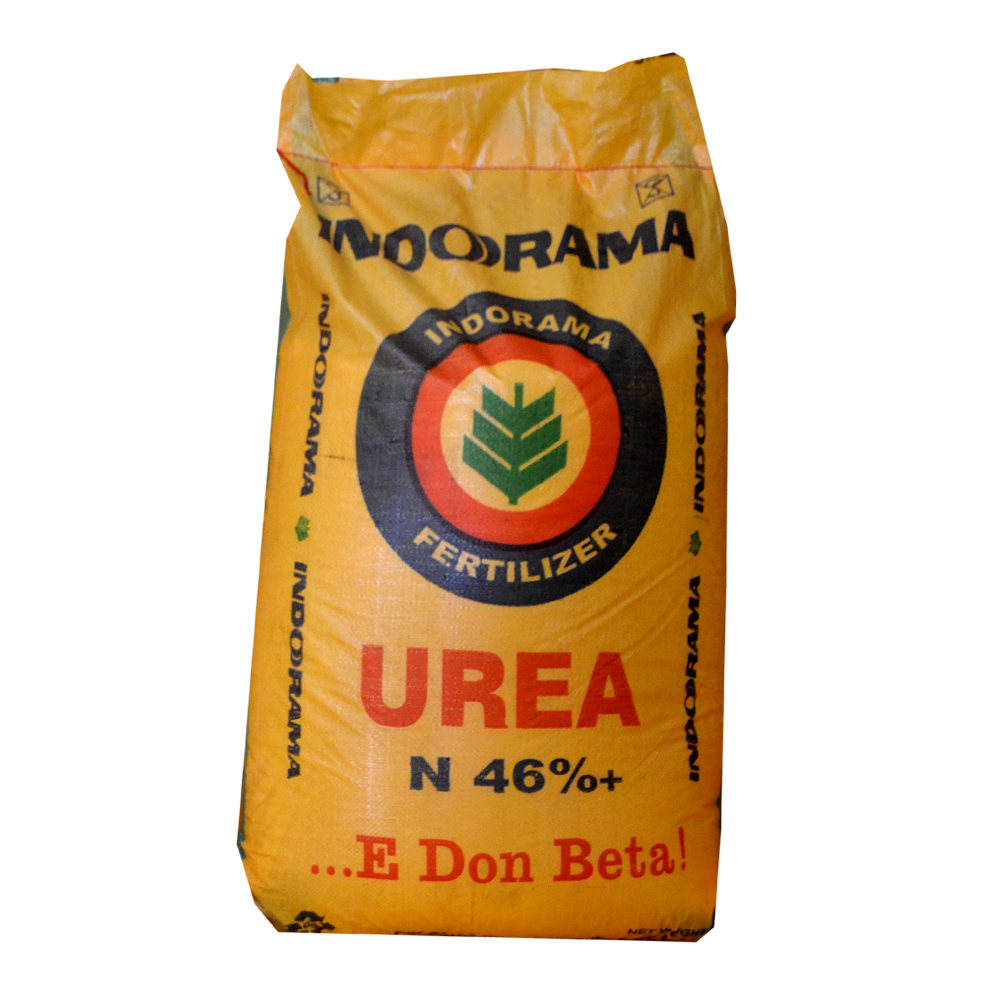
Urea fertilizer stands as one of the most widely used nitrogen fertilizers in modern agriculture, offering an impressive 46% nitrogen content that makes it the most concentrated solid nitrogen source available to farmers and gardeners. This remarkable concentration means that less product is needed to deliver the same nutritional benefits compared to other nitrogen fertilizers, making it both economical and efficient for large-scale farming operations and home gardens alike. At Blue Compost Investments, we understand the critical role that quality urea fertilizer plays in sustainable agriculture and food security.
The chemical composition of urea (CO(NH₂)₂) makes it particularly valuable for plant nutrition. When applied to soil, urea undergoes a hydrolysis process through the enzyme urease, converting into ammonium carbonate and subsequently into ammonium and nitrate forms that plants can readily absorb. This transformation process typically takes between two to four days, depending on soil temperature, moisture levels, and microbial activity. The nitrogen released during this process is fundamental for chlorophyll production, protein synthesis, and overall plant development, directly impacting crop quality and yield potential.
Application Methods and Best Practices
Successful urea fertilizer application requires understanding proper timing, placement, and environmental conditions. Broadcasting is the most common application method for large agricultural fields, where urea granules are spread evenly across the soil surface before incorporation through tillage or irrigation. For maximum efficiency, urea should be applied when soil moisture is adequate, as water is essential for the hydrolysis process and nitrogen uptake by plant roots. Broadcasting works exceptionally well for cereal crops like wheat, rice, corn, and barley, providing uniform nutrient distribution across extensive acreage.
Broadcast application should ideally occur one to two weeks before planting or during early growth stages when plants have high nitrogen demands. However, surface application without incorporation can lead to volatilization losses, where nitrogen escapes as ammonia gas, particularly in alkaline soils or high-temperature conditions. To minimize these losses, incorporating urea into the soil within 24 to 48 hours of application is highly recommended. Alternatively, applying urea just before rainfall or irrigation can help move the fertilizer into the soil profile where volatilization risks are significantly reduced.
Fertigation, the practice of applying urea through irrigation systems, has gained popularity among commercial farmers and greenhouse operators. This method offers precise control over fertilizer delivery, ensuring nutrients reach plant root zones efficiently. Drip irrigation systems work particularly well with dissolved urea, providing targeted nutrition while conserving water resources. The concentration of urea in fertigation solutions typically ranges from 0.5% to 2%, depending on crop requirements and growth stages. This approach reduces labor costs, minimizes fertilizer waste, and allows for split applications that match plant nutrient uptake patterns throughout the growing season. You can explore our complete range of fertilizers designed for various application methods.
Optimizing Crop Yields with Strategic Urea Use
Different crops have varying nitrogen requirements, and understanding these needs is crucial for maximizing urea fertilizer effectiveness. Cereal crops like wheat and corn are heavy nitrogen feeders, typically requiring 120-180 kg of nitrogen per hectare depending on yield targets and soil fertility levels. Rice cultivation, especially in lowland paddy systems, benefits tremendously from split urea applications—applying one-third at transplanting, one-third at tillering stage, and the final third at panicle initiation ensures continuous nitrogen availability throughout the crop cycle.
Vegetable crops also respond exceptionally well to urea fertilization, though their requirements vary considerably. Leafy vegetables like lettuce, spinach, and cabbage require consistent nitrogen supply for tender, green growth, while fruiting vegetables like tomatoes and peppers need balanced nutrition with nitrogen emphasis during vegetative growth phases. Root vegetables such as carrots and potatoes require moderate nitrogen levels to promote foliage development without compromising root or tuber quality. Applying 50-100 kg of nitrogen per hectare through split urea applications typically meets most vegetable crop requirements effectively.
Fruit orchards and plantation crops benefit from seasonal urea applications timed to coincide with flowering, fruit set, and fruit development stages. Citrus trees, for instance, require approximately 200-400 grams of nitrogen per tree annually, divided into three to four applications throughout the growing season. Coffee and tea plantations respond positively to regular urea applications, with nitrogen significantly influencing bean or leaf quality, size, and chemical composition. For more specialized agricultural needs, explore our comprehensive collection at Blue Compost Investments Shop.
Soil Management and Environmental Considerations
While urea fertilizer offers numerous benefits, responsible use requires attention to soil health and environmental impact. Excessive nitrogen application can lead to groundwater contamination through nitrate leaching, particularly in sandy soils with low water-holding capacity. Proper soil testing before application helps determine existing nitrogen levels and prevents over-fertilization. Most agricultural extension services recommend soil testing every two to three years, with results guiding fertilizer application rates tailored to specific crop needs and soil conditions. According to research from the Food and Agriculture Organization, balanced fertilizer use is essential for sustainable intensification of agricultural production systems.
Timing urea applications to match crop uptake patterns minimizes environmental risks while maximizing efficiency. Applying nitrogen when plants are actively growing ensures rapid uptake, reducing the time nutrients remain vulnerable to leaching or volatilization. Avoiding application before heavy rainfall events or on frozen ground prevents nutrient runoff into water bodies, protecting aquatic ecosystems from eutrophication. Split applications, where the total nitrogen requirement is divided into two or three smaller doses applied at different growth stages, consistently demonstrate better nitrogen use efficiency compared to single large applications.
Enhancing urea fertilizer with urease inhibitors or slow-release coating technologies represents an advanced approach to improving nitrogen use efficiency. Urease inhibitors slow the conversion of urea to ammonia, extending the window for soil incorporation and reducing volatilization losses. Polymer-coated urea releases nitrogen gradually over extended periods, matching plant uptake patterns more precisely and reducing application frequency. These technologies, while slightly more expensive than conventional urea, often deliver better economic returns through improved crop performance and reduced environmental impact, making them increasingly popular in precision agriculture systems.






Reviews
Clear filtersThere are no reviews yet.