


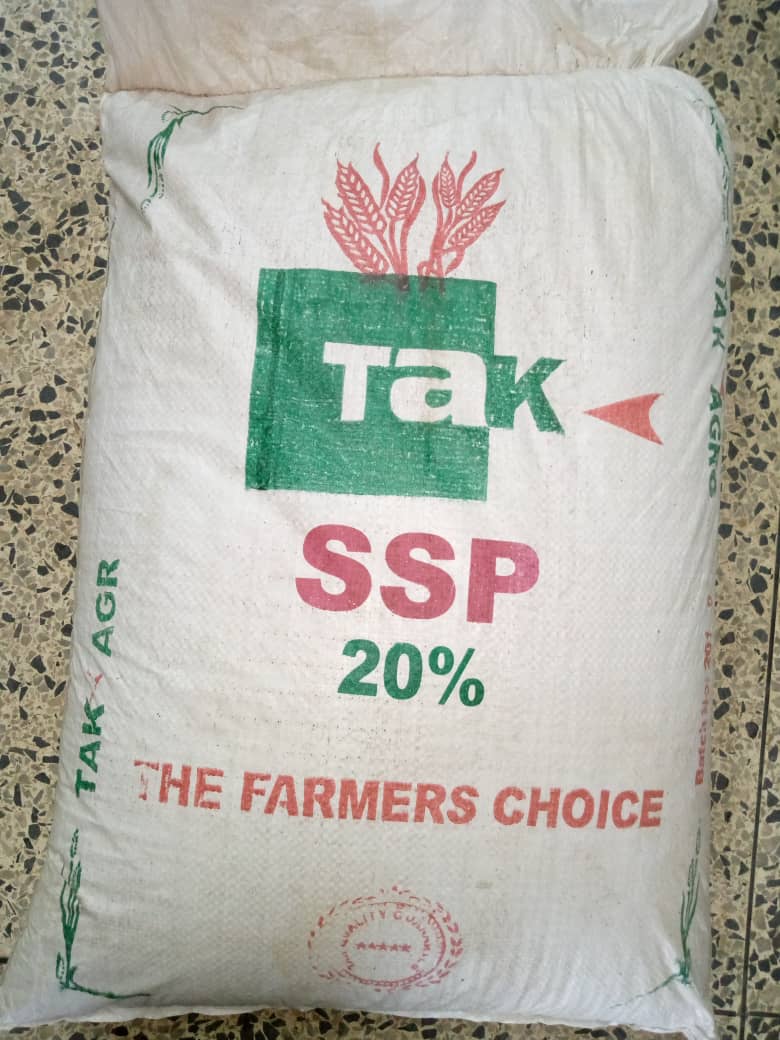

The Complete Guide to Premium Superphosphate for Superior Plant Development and Soil Nutrition
Superphosphate represents a commercially processed phosphate fertilizer that transforms relatively insoluble rock phosphate into highly available forms supporting comprehensive plant nutrition with exceptional bioavailability for modern agricultural systems. This processed mineral product delivers phosphorus in water-soluble and citrate-soluble forms providing immediate plant availability critical for diverse crop production scenarios. Blue Compost Investments specializes in sourcing premium superphosphate from certified manufacturers employing advanced processing techniques ensuring consistent nutrient composition and agricultural performance. Our superphosphate products provide optimal solutions for conventional farmers, specialty crop producers, and operations of all scales seeking reliable, cost-effective phosphorus sources supporting maximum productivity while maintaining agricultural profitability and soil fertility development.
Understanding Superphosphate Composition and Nutrient Availability
Superphosphate comprises processed phosphate rock combined with sulfuric acid creating water-soluble phosphorus compounds. Premium superphosphate typically delivers phosphorus concentrations ranging from 18-20% (P2O5 equivalent) with significant calcium content from 18-22%, depending on specific formulation and processing methodology. The water-soluble phosphorus in superphosphate provides immediate plant availability unlike rock phosphate requiring extended soil interactions for nutrient release.
Phosphorus in superphosphate exists primarily as monocalcium phosphate providing exceptional solubility in water and soil solution. This immediately available form ensures rapid nutrient uptake by plant roots without requiring microbial transformation or organic acid interaction. The bioavailable phosphorus in superphosphate provides rapid response supporting urgent phosphorus requirements or correcting established deficiencies.
Calcium Benefits and Soil Chemistry Support
Calcium in superphosphate serves multiple critical functions supporting plant physiology and soil chemistry. Adequate calcium nutrition prevents physiological disorders including blossom-end rot in tomatoes and tip burn in leafy greens. Calcium strengthens cell walls, improving tissue quality and extending shelf-life in harvested crops. Enhanced calcium nutrition improves fruit and vegetable firmness, supporting premium pricing and consumer satisfaction.
Superphosphate calcium also supports soil pH buffering and nutrient balance, preventing acidification that reduces nutrient availability. Enhanced soil calcium improves soil structure through flocculation, promoting better aggregation and water retention. The calcium-rich nature of superphosphate makes it particularly valuable for acidic soils requiring pH adjustment alongside phosphorus supplementation.
Blue Compost Investments Superphosphate Excellence Standards
Our commitment to superphosphate quality extends throughout sourcing, processing, and quality assurance stages. Blue Compost Investments partners with certified manufacturers employing advanced extraction and processing techniques producing superior products. Our superphosphate source materials undergo comprehensive quality verification ensuring consistent nutrient composition.
The superphosphate manufacturing process employs proven chemical conversion techniques transforming rock phosphate into highly available forms. Each superphosphate batch undergoes comprehensive laboratory analysis verifying phosphorus and calcium content, water solubility rates, citrate solubility, and absence of contaminants ensuring consistent quality. Our superphosphate granule sizing supports optimal spreading characteristics and field performance.
Water and Citrate Solubility Assurance
Premium superphosphate demonstrates high water solubility ensuring rapid nutrient availability in soil environments. Water-soluble phosphorus content typically ranges from 16-18% (P2O5), with additional phosphorus available in citrate-soluble form supporting extended availability. The combination of water-soluble and citrate-soluble phosphorus provides both rapid response and sustained nutrition.
Citrate-soluble phosphorus in superphosphate becomes available as soil moisture and plant root activity create favorable dissolution conditions. This extended availability mechanism provides sustained phosphorus nutrition beyond immediate water-soluble forms. The dual availability mechanism distinguishes superphosphate from single-form phosphate products.
Superphosphate Applications Across Agricultural Systems
Vegetable and Market Garden Production: Commercial vegetable operations utilize superphosphate for phosphorus supplementation supporting vigorous root development and productive vegetable crops. Superphosphate particularly benefits root and bulb crops including carrots, beets, potatoes, and onions. Enhanced phosphorus availability improves root establishment critical for water and nutrient uptake. For comprehensive vegetable production optimization, consult resources from the Vegetable Growers Association of America regarding advanced nutrient management and sustainability practices.
Flowering Plants and Ornamental Gardens: Flower gardens respond exceptionally to superphosphate applications supporting abundant flowering and vibrant color development. Bulbs including tulips, daffodils, and hyacinths require excellent phosphorus nutrition during establishment for superior blooming. Annual flowers develop more flowers per plant when grown in superphosphate-amended soils. Professional landscape designers incorporate superphosphate into planting recommendations supporting long-term garden success.
Fruit and Tree Crop Production: Perennial fruit operations benefit substantially from superphosphate applications supporting flowering initiation, fruit quality, and overall tree productivity. Young fruit trees established with superphosphate develop superior root systems and establish earlier fruiting compared to unamended plantings. Mature orchards maintain productivity through consistent superphosphate applications replenishing phosphorus depletion.
Rose and Perennial Gardens: Rose enthusiasts employ superphosphate exclusively for supporting abundant flowering and superior bloom quality. Perennial flowers establish more robustly with superphosphate supplementation, developing fuller plants and more abundant flowering displays. Professional landscape designers incorporate superphosphate into planting recommendations supporting long-term garden success.
Lawn and Turf Establishment: Landscape projects utilize superphosphate for sustainable turf establishment supporting dense, healthy grass development. Superphosphate’s rapid phosphorus availability prevents excessive nitrogen-driven growth supporting balanced turf development. New lawn establishment benefits substantially from superphosphate incorporation during soil preparation.
Bulb Planting and Flower Establishment: Professional bulb producers incorporate superphosphate into potting media and landscape applications ensuring optimal phosphorus availability during critical establishment periods. Bulbs planted with superphosphate develop superior root systems and more robust flowering. Spring-blooming bulbs benefit particularly from fall superphosphate applications.
Container and Potting Media Production: Professional potting media manufacturers incorporate superphosphate amendments supporting sustained phosphorus availability throughout container plant growing periods. Container plants grown in superphosphate-supplemented media develop superior root systems and enhanced transplant vigor.
Field Crop Production: Corn, soybeans, and small grain crops respond to superphosphate applications supporting establishment vigor and productivity. Enhanced phosphorus availability during early season supports robust root development. Starter applications of superphosphate provide phosphorus when soil temperatures limit nutrient availability.
Pasture and Forage Establishment: New pasture and forage establishment benefits substantially from superphosphate applications providing readily available phosphorus. Enhanced phosphorus availability improves root establishment critical for persistent forage production. Young forages receiving superphosphate phosphorus develop superior root systems establishing earlier productivity.
Phosphorus Nutrition and Plant Development Optimization
Phosphorus represents an essential plant macronutrient supporting energy transfer, protein synthesis, and reproduction function critical for all plant development stages. Phosphorus deficiency symptoms including stunted growth, purple discoloration in foliage, and reduced flower and fruit development indicate nutrient deficiency requiring immediate correction. Superphosphate applications prevent deficiency development while establishing long-term soil phosphorus reserves.
Enhanced phosphorus nutrition from superphosphate supports superior root development critical for water and nutrient acquisition. Strong root systems established through adequate phosphorus nutrition improve drought tolerance and disease resistance. Flowering and fruiting plants require elevated phosphorus during reproductive stages, with superphosphate providing immediate availability during critical periods.
Root Development Benefits and Establishment Support
Superphosphate’s particular value in supporting exceptional root development makes it essential for transplant establishment and young plant growth. Enhanced phosphorus availability from superphosphate promotes lateral root branching, creating more extensive root systems accessing soil resources more effectively. Young plants with robust root systems establish more rapidly and develop superior growth compared to phosphorus-deficient alternatives.
Container plants, transplants, and newly established perennials respond dramatically to superphosphate supplementation showing enhanced establishment vigor and survival rates. The rapid phosphorus availability from superphosphate sustains root development throughout critical establishment periods when plant success depends on robust root system development.
Calcium and Tissue Quality Improvements
Superphosphate calcium supplementation prevents physiological disorders including blossom-end rot in tomatoes, tip burn in lettuce, and similar disorders resulting from calcium deficiency. Enhanced calcium nutrition improves fruit firmness and storage characteristics supporting extended shelf-life and premium market pricing. Vegetables grown in superphosphate-amended soils demonstrate superior quality and reduced physiological disorder incidence.
Superphosphate calcium also improves vegetable flavor quality and nutritional composition through enhanced nutrient translocation and metabolic function. Enhanced calcium nutrition supports superior pollination success and fruit set in reproductive crops. The combination of superphosphate phosphorus and calcium creates synergistic benefits optimizing plant development and quality.
Rapid Phosphorus Availability and Deficiency Correction
Superphosphate water-soluble phosphorus provides immediate plant availability supporting rapid response to phosphorus deficiency symptoms. Unlike slow-release phosphate products requiring extended soil weathering, superphosphate phosphorus becomes available for root uptake within days. This rapid response makes superphosphate particularly valuable for correcting established deficiencies or supporting time-sensitive crops.
Foliar applications of superphosphate solutions provide rapid phosphorus response through leaf surface absorption. Deficiency symptoms including purple discoloration and stunted growth respond rapidly to superphosphate applications correcting nutrient status within days. The immediate availability characteristic distinguishes superphosphate from phosphate rock or other slow-release alternatives.
Water Solubility and Soil Solution Dynamics
Superphosphate phosphorus exists as monocalcium phosphate with exceptional water solubility providing immediate soil solution availability. The rapidly dissolved phosphorus establishes high phosphorus concentration in soil solution supporting vigorous root uptake. The abundance of phosphorus in soil solution enables maximum plant nutrient acquisition without solubility limitations.
The water-soluble phosphorus in superphosphate establishes optimal conditions for mycorrhizal colonization supporting enhanced nutrient uptake beyond direct root absorption. The improved phosphorus status supports beneficial soil biological activity enhancing overall soil fertility and plant performance.
Granular Application Methods and Standard Equipment Compatibility
Superphosphate spreads efficiently using standard agricultural equipment including spinner spreaders, broadcast spreaders, and mechanical applicators. The granular form integrates directly into dry fertilizer blends simplifying application processes. No special equipment modifications required compared to various granular fertilizer alternatives.
Application rates and timing flexibility support integration into existing farm operations. Spring applications support early-season crop development. Fall applications provide nutrients available for spring uptake following winter weathering. Targeted applications during critical growth periods optimize nutrient availability and efficiency.
Soil Incorporation and Nutrient Availability Optimization
Incorporating superphosphate into soil through tillage or mechanical mixing improves nutrient availability by establishing direct soil contact. Soil incorporation eliminates surface application limitations improving phosphorus response particularly in established gardens or orchards. Incorporated superphosphate supports sustained nutrient release supporting crop nutrition throughout extended growing periods.
Surface applications without incorporation prove effective in no-till systems where mechanical soil disturbance remains minimal. Rainfall or irrigation water provides soil moisture dissolving superphosphate supporting nutrient penetration into active root zones. Surface applications suit landscape and ornamental applications where soil disturbance proves impractical.
Citrate Solubility and Extended Availability Mechanism
Citrate-soluble phosphorus in superphosphate provides sustained availability beyond water-soluble forms through gradual dissolution in soil acid conditions. The citrate-soluble phosphorus becomes available as root acids and microbial metabolism create favorable dissolution conditions. This extended release mechanism provides continuous phosphorus supply supporting sustained plant nutrition.
The combination of water-soluble and citrate-soluble phosphorus in superphosphate creates dual availability supporting both rapid response and sustained nutrition. The extended availability prevents phosphorus deficiency development following initial nutrient uptake supporting consistent productivity throughout extended growing seasons.
Cost-Effectiveness and Agricultural Profitability
Superphosphate delivers exceptional value through high bioavailable phosphorus concentration reducing application rates compared to lower-availability alternatives. The water-soluble phosphorus requires lower application volumes achieving equivalent nutrient status. Large-scale farming operations benefit substantially from superphosphate selection supporting maximum profitability.
The operational simplicity of granular application through standard equipment reduces handling and application complexity. Straightforward application procedures reduce labor requirements and equipment needs supporting cost efficiency across all farm scales.
Storage and Handling Best Practices
Store superphosphate in dry locations preventing excessive moisture absorption that promotes caking and reduces spreadability. Proper storage maintains superphosphate quality indefinitely, allowing flexible application scheduling. Maintain adequate separation between superphosphate storage and other materials preventing contamination.
Handle superphosphate using standard agricultural equipment without special modifications. Wear protective equipment during handling, minimizing dust inhalation exposure during loading and application. Implement inventory tracking ensuring timely utilization and preventing excessive storage periods that degrade product characteristics.
Properly stored superphosphate maintains quality indefinitely, accommodating seasonal application flexibility and operational requirements. Standard storage infrastructure handles superphosphate effectively supporting cost-efficient inventory management.
Environmental Considerations and Sustainable Management
Superphosphate sourcing from natural phosphate rock supports sustainable agriculture principles through renewable resource utilization. Processing transforms relatively insoluble rock phosphate into highly available forms increasing nutrient use efficiency. Proper superphosphate application rates prevent nutrient runoff and water contamination supporting environmental protection.
Balanced fertilization programs incorporating superphosphate support sustainable crop productivity without environmental degradation. Integrated nutrient management approaches optimize superphosphate effectiveness while minimizing environmental impact supporting long-term agricultural sustainability.
Soil Testing and Application Planning
Conduct comprehensive soil testing before superphosphate programs, quantifying phosphorus levels determining application requirements. Soil phosphorus recommendations vary based on crop type, target yield levels, and soil extraction methodology. Professional soil testing services provide superphosphate application rates customized to specific operation requirements.
Implement regular soil testing monitoring phosphorus levels, adjusting superphosphate applications maintaining optimal nutrition. Work with agricultural extension services or independent soil testing laboratories optimizing superphosphate application strategies supporting maximum productivity.
Application Rates and Best Management Practices
Optimal superphosphate application rates depend on soil testing results, crop requirements, and phosphorus depletion levels. Initial applications for phosphorus-deficient soils typically range from 500-1000 pounds per acre, establishing phosphorus reserves. Maintenance applications of 300-500 pounds per acre every 2-3 years replenish phosphorus supporting sustained productivity.
Vegetable gardens benefit from 1-2 pounds per 100 square feet applied at planting, with 0.5-1 pound per 100 square feet applied annually. Flower gardens benefit from similar rates supporting abundant flowering. Fruit orchards benefit from 2-5 pounds per mature tree applied annually. Apply superphosphate during spring or fall, allowing extended weathering and soil interaction before peak growing seasons.
Bulk Ordering and Convenient Delivery Solutions
Blue Compost Investments offers convenient superphosphate ordering through our comprehensive shop page, featuring premium superphosphate varieties and bulk sizing options. Our gardening and agricultural specialists provide professional consultation assisting customers in selecting optimal superphosphate products and application strategies. Bulk superphosphate orders qualify for competitive pricing and flexible delivery scheduling, accommodating gardeners, farmers, and landscaping operations of all sizes.
Premium superphosphate represents essential investment supporting sustainable gardening, optimal plant development, and long-term soil productivity. Trust Blue Compost Investments for reliable, high-quality superphosphate backed by agricultural expertise and environmental commitment.



Reviews
There are no reviews yet.