The Bean With a Thousand Stories
Every culture that grows black eyed beans has a story about them. In the American South, eating them on New Year’s Day supposedly brings good fortune for the coming year. West African traditions consider them sacred foods tied to celebrations and community gatherings. Portuguese and Brazilian cuisines feature them in hearty stews that warm body and soul.
But here’s what those stories don’t always mention: black eyed beans taste genuinely wonderful, cook faster than most legumes, and pack nutrition that modern science increasingly validates. The folklore is charming, but the practical benefits make these beans worth eating year-round, not just on special occasions.
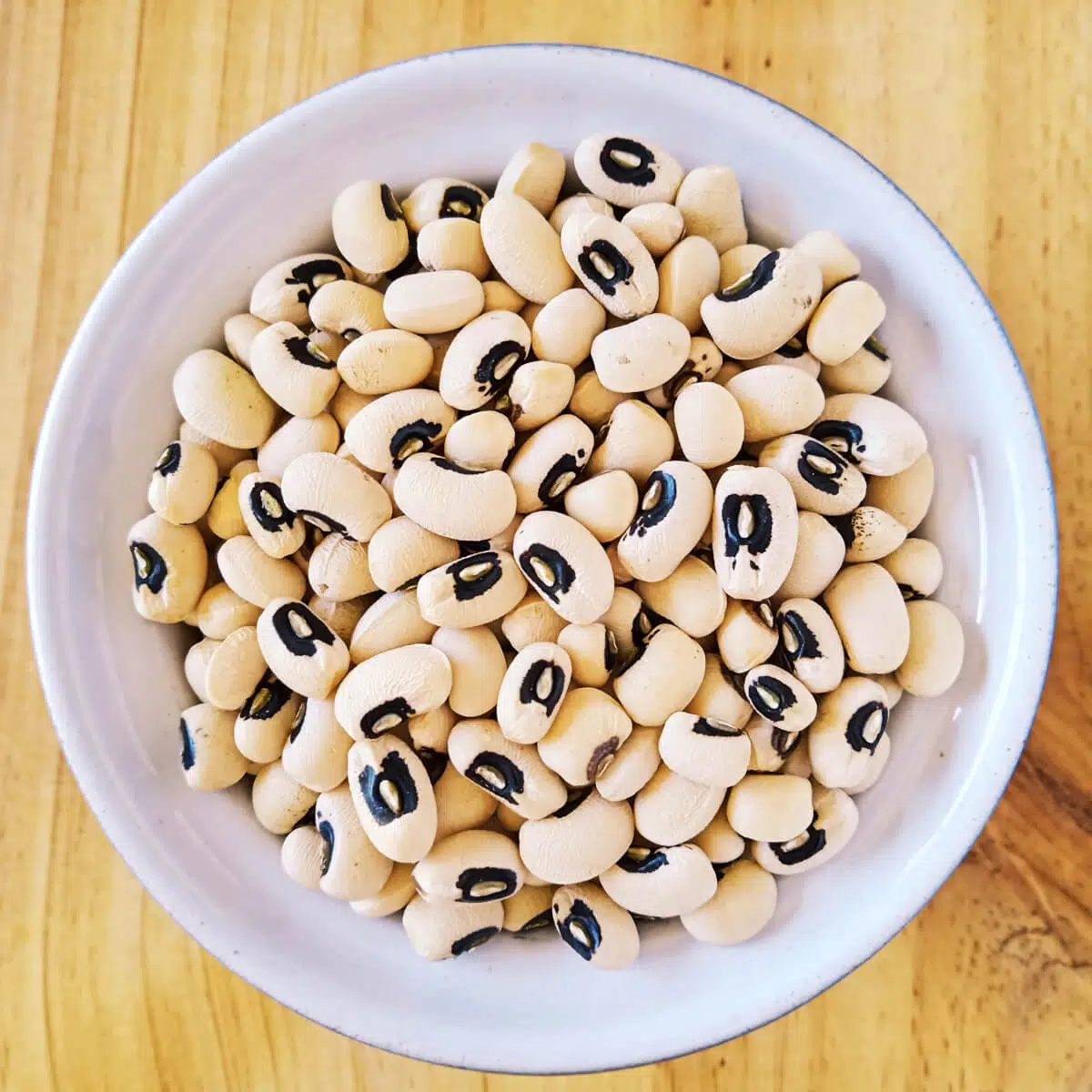
That distinctive black spot (technically it’s the hilum—where the bean attached to the pod) makes them instantly recognizable. You’ll never confuse black eyed beans with anything else in your pantry.
Why Black Eyed Beans Cook Differently
Most dried beans demand overnight soaking and extended cooking. Black eyed beans break that mold entirely. These rebellious legumes cook in 45-60 minutes without any pre-soaking whatsoever.
What makes them naturally quick:
- Thinner outer skin that hydrates rapidly
- Less dense internal structure than kidney beans or chickpeas
- Smaller size means faster heat penetration
- Lower levels of complex sugars that slow cooking
This speed advantage isn’t trivial. When you forgot to soak beans yesterday but need them for dinner tonight, black eyed beans save the day. When unexpected guests arrive and you need to stretch a meal, black eyed beans go from pantry to plate faster than ordering takeout.
Texture Evolution During Cooking
Watch black eyed beans as they cook and you’ll notice something interesting. They start firm and dry, gradually softening from the outside in. Around 30 minutes, they reach that perfect tender-but-intact stage ideal for salads and grain bowls. By 45 minutes, they’ve achieved creamy softness while still holding their shape. Push past 60 minutes and they’ll start breaking down—perfect for dishes where you want natural thickness.
This textural range gives you control. Need beans with bite? Stop cooking early. Want melt-in-your-mouth creaminess? Let them go longer. Same ingredient, different results based on timing.
Nutritional Firepower in Every Serving
Strip away the cultural significance and what remains is impressive nutrition density. One cup of cooked black eyed beans delivers:
Protein: 13 grams—comparable to two ounces of chicken but with fiber and zero cholesterol
Folate: Nearly 90% of your daily requirement. This B-vitamin supports cell division, DNA synthesis, and red blood cell formation. Pregnant women need substantial folate for fetal neural tube development. Everyone else needs it for basic cellular health.
Iron: About 20% of daily needs. Plant-based iron (non-heme) absorbs better when paired with vitamin C sources like tomatoes, peppers, or citrus. Traditional Southern preparations pairing black eyed beans with collard greens and tomatoes? Nutritionally brilliant combinations.
Resistant Starch: This special type of carbohydrate resists digestion in your small intestine, instead feeding beneficial bacteria in your colon. The result? Improved gut health, better blood sugar control, reduced inflammation, and potentially lower colon cancer risk. Resistant starch also promotes feelings of fullness despite relatively low calorie content.
Magnesium and Potassium: These minerals work together regulating blood pressure, supporting heart rhythm, and maintaining proper muscle function.
The Protein Reality Check
Black eyed beans provide solid protein but it’s not complete—they’re lower in methionine and tryptophan. The traditional solution? Pair them with grains. Cornbread and black eyed beans. Rice and beans. These aren’t just tasty combinations; they’re nutritional partnerships that deliver complete amino acid profiles your body needs.
Southern Soul Food Heritage
Travel through the American South and you’ll encounter black eyed beans everywhere, especially around New Year’s. The tradition supposedly originated with enslaved Africans who brought black eyed bean seeds (originally from West Africa) to American plantations. These resilient beans thrived in hot, difficult conditions where other crops struggled.
Hoppin’ John represents the most famous Southern black eyed bean dish—beans cooked with rice, onions, and often pork (ham hock, bacon, or sausage for flavoring). Some versions add tomatoes; purists insist on simpler preparations. Everyone agrees it brings good luck on January 1st.
The “luck” symbolism varies by telling: black eyed beans represent coins (prosperity), their expansion during cooking symbolizes growing wealth, or eating humble foods on New Year’s Day demonstrates humility that invites blessing. Pick your favorite explanation or simply enjoy delicious beans.
Traditional Southern accompaniments:
- Collard greens (representing paper money)
- Cornbread (golden like coins)
- Pork (symbol of moving forward, as pigs root ahead)
- Hot sauce (because everything’s better spicy)
West African Culinary Roots
Black eyed beans (called cowpeas in agricultural contexts) originated in West Africa thousands of years ago. They remain dietary staples across Nigeria, Ghana, Senegal, and throughout the region.
Akara (bean fritters): Soaked black eyed beans, peeled and ground into paste with onions and peppers, then deep-fried into crispy, fluffy fritters. Street food vendors sell these all day, and they’re absolutely addictive—crispy outside, soft inside, intensely savory.
Moi Moi: Steamed bean pudding made from peeled, blended black eyed beans mixed with peppers, onions, and spices, then wrapped in leaves or foil and steamed. The result resembles a firm, savory custard packed with protein.
Waakye: Ghanaian dish combining rice and black eyed beans cooked together with sorghum leaves that give the mixture a distinctive reddish-brown color. Served with various accompaniments from fried plantains to spicy pepper sauce.
These aren’t just recipes—they’re cultural touchstones connecting generations and communities across continents.
Beyond Tradition: Modern Applications
Contemporary cooks discover black eyed beans work beautifully in non-traditional contexts:
Salads: Their firm texture (when not overcooked) holds up in cold preparations. Toss with cherry tomatoes, cucumbers, red onions, fresh herbs, and vinaigrette for protein-packed lunch that travels well.
Curries: Indian-spiced black eyed bean curries (lobhia or rongi) simmer beans in tomato-onion gravies with garam masala, turmeric, and chili. The beans absorb spice complexity while maintaining structure.
Soups: Portuguese sopa de feijão frade combines black eyed beans with cabbage, carrots, and chorizo for hearty one-pot meals. Mediterranean versions add tomatoes, garlic, and herbs for lighter preparations.
Veggie burgers: Mashed black eyed beans bind well, creating stable burger patties with excellent texture. Their mild flavor accepts bold seasonings without competing.
Breakfast hash: Southern morning cooks fry leftover black eyed beans with potatoes, onions, and peppers, topping with fried eggs for complete protein breakfast.
Cooking Methods Demystified
Basic Stovetop (No Soak Required)
Rinse beans thoroughly, checking for small stones or debris. Add to pot with 3 cups water per 1 cup beans. Bring to boil, reduce to gentle simmer, cook 45-60 minutes until desired tenderness. Add salt during last 15 minutes (earlier addition can toughen skins slightly).
Flavor enhancement strategies:
- Add bay leaves, thyme sprigs, or rosemary to cooking water
- Include smoked meat (ham hock, turkey wing) for traditional richness
- Toss in onion quarters and garlic cloves while cooking
- Use vegetable or chicken broth instead of water for deeper flavor
Pressure Cooker Speed Run
Unsoaked black eyed beans: 15-20 minutes at high pressure, natural release 10 minutes. That’s it. From dry beans to perfectly tender in under 30 minutes total.
If you did soak (unnecessary but fine): 8-10 minutes at pressure achieves the same results.
Slow Cooker Convenience
Combine rinsed beans with liquid (4 cups per 1 cup beans), aromatics, and seasonings. Cook on low 6-8 hours or high 3-4 hours. This method requires no attention and produces consistently good results.
Slow cooker warning: Always ensure beans reach boiling temperature. Some slow cookers run cool enough that beans never fully cook, remaining slightly crunchy no matter how long they simmer. If this happens, finish on stovetop or use pressure cooker instead.
Storage and Meal Prep Advantages
Dried black eyed beans stored in airtight containers in cool, dry places last indefinitely. Realistically, use within 18-24 months for best cooking performance and flavor.
Cooked beans refrigerate safely for 5-7 days in covered containers. Store with some cooking liquid to prevent drying. Their flavor often improves overnight as seasonings penetrate more deeply.
Freezing wins: Cooked black eyed beans freeze beautifully. Portion into containers or bags (2-3 cups works well), press out air, freeze flat for easy stacking. They’ll keep 3-6 months and thaw quickly in the microwave or under cool running water.
Meal preppers appreciate black eyed beans because they maintain quality through refrigeration and reheating. Make a big batch Sunday, enjoy various preparations throughout the week without flavor or texture degradation.
Potential Considerations
Digestive concerns: Like all legumes, black eyed beans contain oligosaccharides—complex sugars humans can’t digest. Gut bacteria ferment these, producing gas. Rinsing canned beans thoroughly or discarding cooking water from dried beans reduces this effect. Starting with smaller portions helps your system adjust.
Lectins: Raw or undercooked legumes contain lectins that can cause digestive distress. Proper cooking (boiling) neutralizes these completely. Never eat raw black eyed beans; always cook them thoroughly.
Purines: People with gout or those managing uric acid levels should moderate legume intake, as they contain purines that convert to uric acid. This doesn’t mean avoiding beans entirely—just being mindful of portion sizes.
Finding Quality That Delivers
Bean quality varies dramatically based on age, storage conditions, and processing standards. Fresh-crop beans cook faster and more evenly than beans that sat in warehouses for years. Clean beans without excessive debris or broken pieces indicate careful processing.
Premium sources maintain proper storage conditions, regular turnover, and thorough cleaning protocols. When you need black eyed beans that cook consistently and taste clean, supplier standards matter. Explore legume varieties and quality options from trusted sources committed to freshness and excellence.
Scientific research validates traditional wisdom about legumes. The Journal of the Academy of Nutrition and Dietetics reports that regular bean consumption associates with improved nutrient intake, better diet quality, and reduced risk of several chronic diseases. Black eyed beans specifically offer resistant starch benefits that support metabolic health in ways researchers continue discovering.
Whether you’re honoring New Year’s traditions, exploring African cuisine, or simply seeking affordable plant protein, black eyed beans deliver flavor, nutrition, and culinary versatility. Stock your pantry through quality suppliers who understand that great ingredients make great meals possible.






Reviews
Clear filtersThere are no reviews yet.