



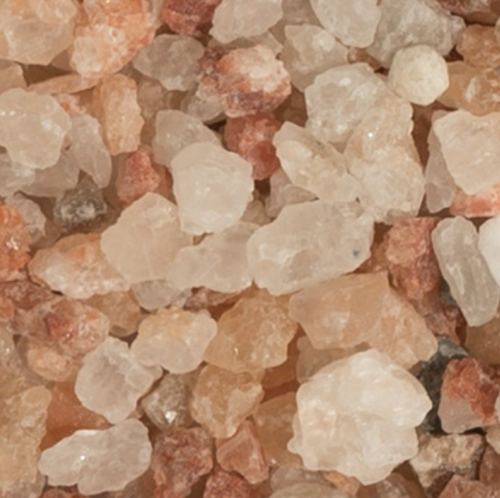
Kainite
Kainite is a natural mineral fertilizer delivering potassium, magnesium, and sulfur essential for comprehensive plant nutrition and soil health.
Our premium kainite contains beneficial minerals sourced from certified natural deposits processed without synthetic additives or chemicals.
Blue Compost Investments kainite provides slow-release nutrients supporting sustained plant growth throughout extended growing seasons naturally.
Natural kainite fertilizer supports sustainable agriculture practices while building long-term soil mineral reserves and fertility.
Quality kainite bulk delivery provides cost-effective potassium and magnesium supplementation for farms, gardens, and landscaping operations.

Free Shipping
We’re taking the extra cost out of your cart. Enjoy Free Standard Shipping on every order – no minimum purchase, no coupon code needed. Just the products you love, delivered right to your door for the price you see.

Products Guaranty
At Blue Compost Investments, we stand behind every product we deliver. Our Products Guaranty ensures that you receive only high-quality, reliable items or we make it right.
The Complete Guide to Premium Natural Kainite for Sustainable Nutrient Management
Kainite represents a valuable natural mineral fertilizer combining potassium, magnesium, and sulfur in single product format providing comprehensive nutrient supplementation. This ancient mineral deposit delivers multiple essential plant nutrients while avoiding synthetic chemicals and complex manufacturing processes associated with conventional fertilizers. Blue Compost Investments specializes in sourcing premium kainite from certified natural mineral deposits processed through careful methods preserving nutrient characteristics and soil compatibility. Our kainite products provide optimal solutions for organic and conventional farmers, gardeners, and environmental stewards seeking natural mineral nutrients while maintaining soil health and long-term agricultural productivity.
Understanding Kainite Composition and Nutrient Profile
Kainite comprises natural mineral deposits containing potassium chloride, magnesium sulfate, and other mineral compounds. Premium kainite delivers potassium concentrations ranging from 12-16% (K2O equivalent), magnesium from 6-8%, and sulfur from 8-12%, depending on mineral source and processing methodology. The simultaneous presence of these essential nutrients in single product format eliminates requirement for multiple fertilizer applications or complex supplementation programs.
Potassium represents a critical macronutrient supporting plant water regulation, nutrient transport, enzyme activation, and overall metabolic function. Magnesium serves as central component of chlorophyll molecules, supporting photosynthetic efficiency and energy production essential for vigorous plant growth. Sulfur participates in amino acid synthesis, protein formation, and various enzyme functions critical for plant development and disease resistance. The balanced nutrient combination in kainite supports comprehensive plant nutrition addressing multiple nutritional requirements simultaneously.
Secondary Minerals and Trace Element Benefits
Premium kainite contains valuable secondary minerals including sodium, calcium, and trace elements supporting broader soil fertility. The sodium content present in kainite requires careful management in certain soils susceptible to sodium accumulation, though proper application rates prevent adverse effects. The calcium present in kainite contributes to soil pH buffering and nutrient balance supporting favorable growing conditions.
The trace mineral content of kainite includes iron, manganese, zinc, copper, boron, and molybdenum—micronutrients essential for optimal plant development and pest resistance. While present in lower concentrations than primary nutrients, these trace elements become incorporated into soil systems through kainite application, gradually enriching mineral-depleted agricultural soils. The cumulative effect of multiple growing seasons with kainite applications establishes comprehensive mineral nutrition supporting vigorous plant growth without requiring supplemental micronutrient inputs.
Blue Compost Investments Kainite Excellence Standards
Our commitment to kainite quality extends throughout sourcing, processing, and quality assurance stages. Blue Compost Investments partners with certified natural mineral operations maintaining rigorous environmental standards and responsible mining practices. Our kainite source deposits meet strict natural product requirements, containing no synthetic additives or prohibited materials conflicting with sustainable agriculture principles.
The kainite processing methodology employs mechanical methods preserving mineral structure and nutrient characteristics without chemical treatments or synthetic modifications. Each kainite batch undergoes comprehensive analysis verifying potassium, magnesium, and sulfur content, chloride levels, and purity standards ensuring consistent quality. Our kainite particle sizing balances optimal nutrient availability with manageable handling characteristics during application activities.
Natural Kainite Sourcing and Sustainability Practices
Blue Compost Investments kainite sourcing emphasizes sustainable mineral extraction protecting environmental integrity and responsible resource management. Our partner mining operations implement rehabilitation practices restoring disturbed lands following mineral extraction. Kainite sourcing supports local communities through employment and economic development while maintaining environmental stewardship standards.
The minimal processing required for kainite preparation compared to synthetic fertilizer manufacturing dramatically reduces carbon footprint and environmental impact. Utilizing kainite supports circular economy principles through renewable natural mineral resource utilization benefiting agricultural systems and environmental quality.
Kainite Applications Across Agricultural and Horticultural Systems
Vegetable and Market Garden Production: Kainite serves as primary potassium and magnesium source for vegetable operations requiring comprehensive nutrient supplementation. Vegetables develop superior nutritional quality and yield when grown in kainite-amended soils, with increased mineral concentration supporting human health. Regular kainite applications establish mineral-rich soils supporting consistent productivity across multiple growing seasons.
Fruit and Tree Crop Production: Perennial fruit operations benefit substantially from kainite applications supporting flowering, fruit quality, and overall tree productivity. Potassium supplied through kainite enhances fruit sugar content, color development, and shelf-life characteristics. Magnesium from kainite supports chlorophyll synthesis and photosynthetic efficiency critical for sustainable fruit production.
Field Crop and Grain Production: Commodity crop operations utilize kainite for comprehensive nutrient management supporting crop quality and yield. Grains grown in kainite-amended soils develop superior nutritional profiles with increased mineral concentration. Kainite applications prove particularly valuable in rotational systems incorporating legumes that benefit from balanced potassium and magnesium availability.
Potato and Root Crop Production: Kainite provides exceptional nutrient support for potato and root crop production, where potassium plays critical roles in starch accumulation and yield development. Potatoes grown with adequate kainite-supplied potassium develop superior quality and cooking characteristics. Magnesium availability supports robust plant development and disease resistance in intensive root crop systems.
Pasture and Forage Production: Forage crops support superior nutritional profiles when grown in kainite-amended soils. Increased plant potassium and magnesium concentration improves livestock nutrition, supporting milk production quality, reproductive success, and overall animal performance. Rotational grazing systems benefit from kainite applications supporting persistent pasture productivity and soil health improvement.
Vineyard and Specialty Crop Management: Wine grape production particularly benefits from kainite applications supporting berry quality, sugar development, and wine characteristics. For comprehensive sustainable viticulture practices, consult resources from the American Society for Enology and Viticulture regarding mineral nutrient management in vineyard systems.
Turf and Landscape Management: Ornamental landscapes and sports fields utilize kainite for sustainable turf establishment supporting dense, healthy grass development. Enhanced potassium nutrition supports turf density and disease resistance, reducing pathogen pressure in managed turf systems. Kainite amendments improve soil structure while supporting beneficial microbial populations.
Potassium Nutrition and Plant Health Benefits
Potassium represents the most abundant cation in plant cells, supporting water regulation, osmotic balance, and cellular turgor pressure essential for plant rigidity and growth. Potassium-deficient plants exhibit scorched leaf margins, yellowing between veins, and reduced growth vigor indicating nutrient deficiency requiring corrective management. Adequate potassium nutrition supplied through kainite prevents deficiency development while establishing robust plant development and yield potential.
Potassium supplied through kainite enhances plant disease resistance through multiple mechanisms including strengthened cell walls, improved photosynthetic efficiency, and enhanced secondary metabolite production. Disease-resistant plants developed through adequate potassium nutrition reduce crop losses from fungal and bacterial pathogens naturally. Stress tolerance including drought, cold, and heat stress improves dramatically with adequate potassium nutrition supported by kainite applications.
Magnesium Nutrition and Photosynthetic Efficiency
Magnesium serves as central atom in chlorophyll molecules, directly supporting photosynthetic light absorption and energy conversion. Magnesium-deficient plants exhibit interveinal chlorosis—yellowing between veins while veins remain green—indicating deficiency reducing photosynthetic capacity. Kainite-supplied magnesium prevents deficiency development while optimizing photosynthetic efficiency and energy production essential for vigorous growth.
Magnesium participates in over 300 enzyme functions regulating protein synthesis, energy metabolism, and cellular processes critical for all plant functions. Adequate magnesium nutrition supported by kainite applications enhances nutrient uptake efficiency, improves translocation of mobile nutrients, and supports comprehensive plant development across all growth stages.
Kainite Chemistry and Soil Interaction Mechanisms
Kainite potassium exists in soluble form immediately available to plants upon soil contact, supporting rapid nutrient uptake. The magnesium and sulfur components establish ionic equilibrium in soil solutions supporting sustained nutrient availability throughout growing seasons. The chloride content in kainite requires monitoring in sensitive crops or salt-vulnerable soils, though proper application rates prevent adverse accumulation.
Kainite compatibility with organic matter and biological soil systems proves superior to many synthetic potassium products. The sulfur present in kainite supports beneficial soil bacteria including sulfur-oxidizing organisms that enhance nutrient cycling and soil biological function. Enhanced microbial communities in kainite-amended soils contribute to improved soil structure, water retention, and disease suppression.
Environmental Considerations and Salt Management
Kainite applications require attention to chloride salt content, particularly in arid regions, sensitive soils, or crops with salt sensitivity. Proper soil testing before kainite applications determines appropriate rates preventing salt accumulation. Irrigation management supporting adequate water infiltration prevents salt accumulation in soil profiles. Rotational application strategies alternating kainite with other potassium sources including kelp extracts or sulfate of potash reduce chloride accumulation risks.
Kainite chloride content proves beneficial in certain applications including turf management where potassium and magnesium requirements substantially exceed salt sensitivity concerns. Vegetables, grapes, and other sensitive crops require conservative kainite applications with careful monitoring preventing chloride-related quality degradation.
Kainite Application Rates and Best Management Practices
Optimal kainite application rates depend on soil testing results, crop requirements, and potassium depletion levels. Initial applications for potassium-deficient soils typically range from 300-500 pounds per acre, establishing potassium reserves supporting multiple growing seasons. Subsequent maintenance applications of 150-300 pounds per acre annually replenish potassium depletion supporting sustained productivity.
Vegetable gardens benefit from 100-200 pounds per 1000 square feet initially, with 50-100 pounds per 1000 square feet applied annually thereafter. Fruit orchards benefit from 200-400 pounds per acre applied annually during growing seasons. Apply kainite during spring or early summer, allowing nutrient availability during active growth periods. Till or incorporate kainite into soil contact promoting rapid nutrient availability. Conduct soil testing regularly monitoring potassium, magnesium, and chloride levels.
Storage and Handling Considerations
Store kainite in dry locations preventing moisture absorption that promotes caking and reduces spreadability. Proper storage maintains kainite quality indefinitely, allowing flexible application scheduling. Maintain separation between kainite storage and other materials preventing contamination or inappropriate mixture.
Handle kainite using standard agricultural equipment including spreaders, applicators, or manual distribution methods. Wear protection when handling kainite, minimizing dust inhalation exposure during application activities. Implement inventory tracking ensuring timely utilization and preventing excessive storage periods. Properly stored kainite maintains quality for extended periods, accommodating seasonal application flexibility.
Soil Testing and Application Planning
Conduct comprehensive soil testing before kainite applications, quantifying potassium, magnesium, and chloride levels determining application requirements. Soil potassium recommendations vary based on crop type, target yield levels, and soil extraction methodology. Professional soil testing services provide kainite application rates customized to specific operation requirements and crop needs.
Implement regular soil testing monitoring potassium and magnesium levels, adjusting kainite applications maintaining optimal nutrition. Combined soil testing with plant tissue analysis provides comprehensive nutritional assessment supporting refined feeding program development. Work with agricultural extension services or independent soil testing laboratories optimizing kainite application strategies.
Bulk Ordering and Convenient Delivery Solutions
Blue Compost Investments offers convenient kainite ordering through our comprehensive shop page, featuring premium kainite varieties and bulk sizing options. Our agricultural and soil specialists provide professional consultation assisting customers in developing customized kainite application plans for specific crop and soil requirements. Bulk kainite orders qualify for competitive pricing and flexible delivery scheduling, accommodating farm operations of all sizes and seasonal application windows.
Premium kainite represents essential investment supporting sustainable agriculture, comprehensive nutrient management, and long-term soil fertility. Trust Blue Compost Investments for reliable, natural kainite backed by agricultural expertise and environmental commitment.
1 review for Kainite
Clear filtersYou must be logged in to post a review.


Blue Compost Investments –
Hello