



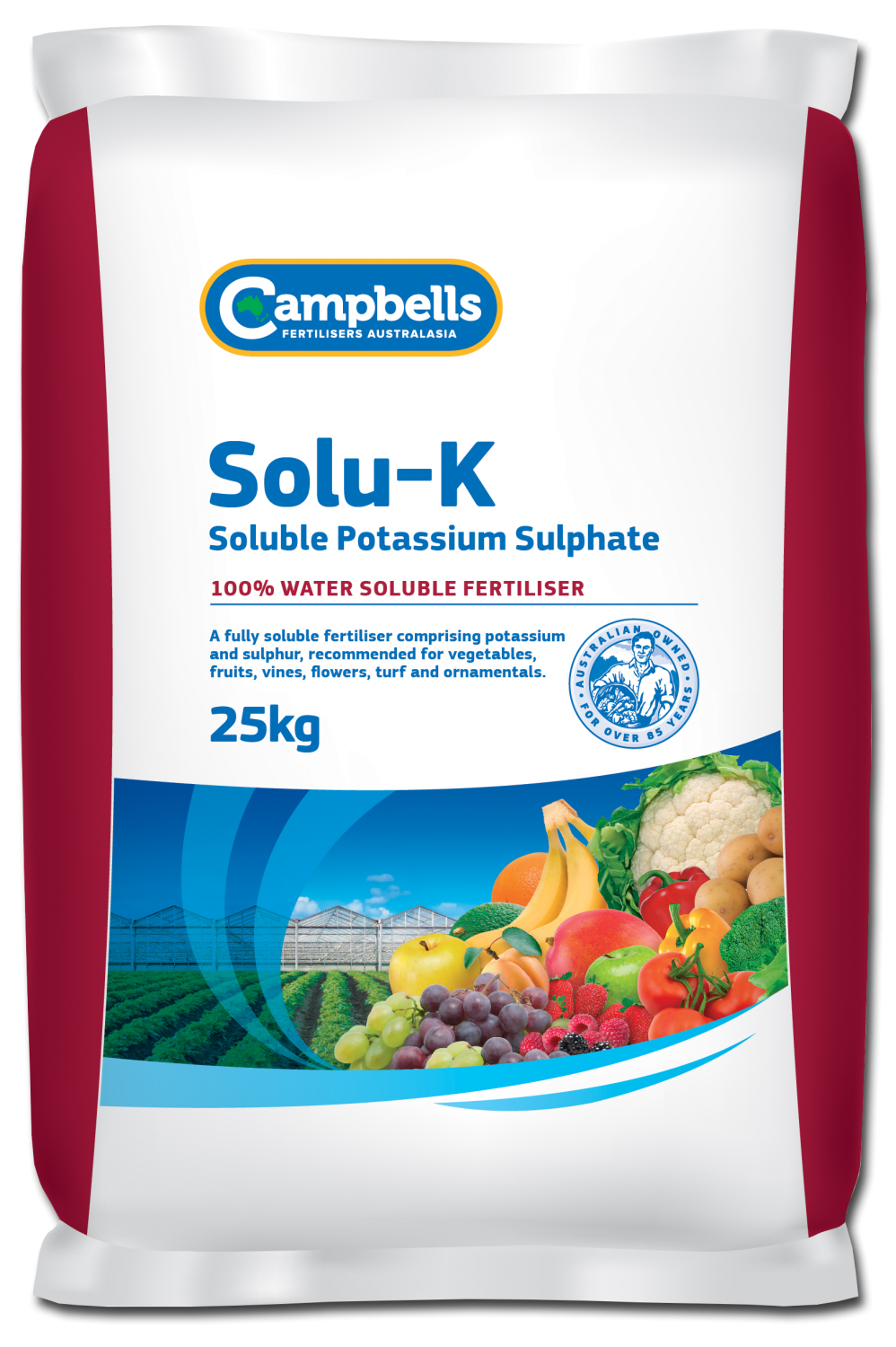
Potassium Sulfate
Potassium sulfate is a water-soluble mineral fertilizer providing potassium and sulfur without harmful chloride or sodium content.
Our premium potassium sulfate contains balanced ratios of essential nutrients supporting comprehensive plant nutrition naturally.
Blue Compost Investments potassium sulfate sourced from certified natural mineral deposits processed to premium purity standards.
Natural potassium sulfate supports sustainable agriculture practices while protecting sensitive crops from chloride-related physiological disorders.
Quality potassium sulfate bulk delivery provides cost-effective potassium and sulfur nutrition for specialty crop production operations.

Free Shipping
We’re taking the extra cost out of your cart. Enjoy Free Standard Shipping on every order – no minimum purchase, no coupon code needed. Just the products you love, delivered right to your door for the price you see.

Products Guaranty
At Blue Compost Investments, we stand behind every product we deliver. Our Products Guaranty ensures that you receive only high-quality, reliable items or we make it right.
The Complete Guide to Premium Potassium Sulfate for Superior Crop Quality and Sustainable Production
Potassium sulfate represents a premium dual-nutrient fertilizer combining potassium and sulfur in single product formulation supporting comprehensive plant nutrition without chloride complications common with conventional potassium chloride alternatives. This naturally derived mineral fertilizer delivers both nutrients in highly soluble forms providing immediate plant availability while establishing sustained nutrient supply throughout growing seasons. Blue Compost Investments specializes in sourcing premium potassium sulfate from certified natural mineral deposits processed through advanced purification techniques preserving nutrient characteristics and solubility. Our potassium sulfate products provide optimal solutions for quality-conscious farmers, specialty crop producers, and environmental stewards seeking superior nutrient sources supporting maximum crop quality while maintaining environmental responsibility and sustainable agriculture principles.
Understanding Potassium Sulfate Composition and Nutrient Availability
Potassium sulfate comprises naturally occurring mineral compounds containing potassium sulfate salt in highly pure form. Premium potassium sulfate typically delivers potassium concentrations ranging from 48-52% (K2O equivalent) and sulfur from 17-18%, depending on mineral source and processing methodology. The high potassium concentration ensures efficient nutrient delivery while the sulfur component provides secondary nutrient supplementation supporting amino acid synthesis and enzyme function.
Potassium sulfate differs fundamentally from potassium chloride through chloride-free formulation protecting salt-sensitive crops from ion toxicity and physiological disorders. The sulfate form of potassium provides plant-available nutrient without sodium or chloride salt concerns. This distinction makes potassium sulfate superior choice for premium crops commanding high market values where chloride-induced quality degradation threatens profitability.
Sulfur Benefits and Metabolic Optimization
Sulfur in potassium sulfate supports essential amino acid synthesis including methionine and cysteine critical for protein quality and flavor compound development. Enhanced amino acid content improves nutritional quality of edible plant products supporting human health. Sulfur-adequate plants develop enhanced secondary metabolite production including phytoalexins and other protective compounds supporting natural disease resistance.
Sulfur participates in over 100 enzymatic reactions regulating carbohydrate metabolism, energy production, and cellular processes essential for plant development. Adequate sulfur nutrition from potassium sulfate applications prevents chlorosis symptoms and maintains chlorophyll integrity supporting optimal photosynthetic efficiency. Sulfur deficiency symptoms including yellowing of young growth and stunted development indicate inadequate nutrient status requiring prompt correction through potassium sulfate supplementation.
Blue Compost Investments Potassium Sulfate Excellence Standards
Our commitment to potassium sulfate quality extends throughout sourcing, processing, and quality assurance stages. Blue Compost Investments partners with certified natural mineral operations maintaining rigorous environmental standards and responsible production practices. Our potassium sulfate source materials meet strict purity requirements, containing no synthetic additives or prohibited substances conflicting with organic or conventional agriculture principles.
The potassium sulfate processing methodology employs advanced separation and purification techniques producing premium-grade products exceeding agricultural standards. Each potassium sulfate batch undergoes comprehensive laboratory analysis verifying potassium and sulfur content, solubility rates, chloride absence, and absence of contaminants ensuring consistent quality. Our potassium sulfate crystal sizing supports optimal dissolution rates in irrigation systems and foliar spray applications.
Chloride-Free Guarantee and Quality Crop Protection
Premium potassium sulfate chloride-free composition makes it essential choice for salt-sensitive crops where chloride accumulation threatens quality and profitability. Grapes, citrus, strawberries, avocados, and other sensitive crops develop superior quality without chloride-related physiological disorders common with potassium chloride applications. The chloride-free guarantee ensures buyers receive true potassium sulfate without chloride contamination compromising crop quality.
Enhanced produce quality from chloride-free potassium nutrition commands premium market pricing justifying elevated input costs. Specialty crop producers relying on quality differentiation and premium pricing benefit substantially from potassium sulfate selection. Consumer preference for superior quality crops supports sustained demand for potassium sulfate-grown products.
Potassium Sulfate Applications Across Agricultural Systems
Grape and Wine Production: Vineyard operations employ potassium sulfate exclusively as potassium source for wine quality optimization. Potassium from potassium sulfate enhances grape color development, sugar accumulation, and tannin synthesis critical for wine quality. Sulfur from potassium sulfate supports flavor compound development and natural disease resistance reducing fungicide applications. For comprehensive sustainable viticulture practices, consult resources from the International Organisation of Vine and Wine regarding nutrient management and quality development strategies.
Citrus Fruit Production: Citrus operations utilize potassium sulfate for comprehensive nutrient management supporting fruit quality and productivity. Enhanced potassium availability improves juice quality, sugar content, and storage characteristics commanding premium market pricing. Chloride-free nutrition prevents ion toxicity common in citrus-sensitive soils. Sulfur from potassium sulfate supports natural disease resistance and overall tree health.
Strawberry and Berry Production: High-value berry operations depend on potassium sulfate for consistent quality fruit production throughout extended harvest periods. Superior potassium nutrition develops vibrant color, firm texture, and exceptional flavor characteristics. Chloride-free formulation prevents quality degradation affecting shelf-life and consumer appeal. Sustainable berry operations rely exclusively on potassium sulfate avoiding chloride-related berry quality problems.
Avocado Production: Avocado operations require chloride-free potassium sources due to extreme crop sensitivity to sodium and chloride ions. Potassium sulfate prevents chloride-induced fruit quality disorders while supporting superior nutritional composition. Enhanced potassium availability from potassium sulfate improves fruit quality and yield consistency in demanding avocado production systems.
Premium Vegetable Production: High-value vegetable crops including tomatoes, peppers, melons, and cucumbers respond exceptionally to potassium sulfate nutrition. Enhanced potassium availability supports superior flavor development, color intensity, and nutritional quality. Chloride-free nutrition prevents physiological disorders including blossom-end rot and cracking reducing crop losses. Premium vegetable producers utilize potassium sulfate exclusively for quality optimization.
Turf and Ornamental Management: Golf courses, sports fields, and premium landscape facilities utilize potassium sulfate for advanced nutrient management supporting consistent superior turf conditions. Balanced potassium and sulfur nutrition develops dense, disease-resistant turf with excellent wear tolerance. The chloride-free formulation prevents salt accumulation problems common in intensive management systems.
Greenhouse and Nursery Production: Professional nurseries incorporate potassium sulfate into nutrient programs supporting vigorous plant growth and superior aesthetic qualities. Container plants develop robust growth, vibrant foliage coloration, and excellent transplant vigor when potassium sulfate supplements primary nutrition. Potassium sulfate-grown plants command premium pricing due to superior quality and vigor.
Organic Crop Production: Organic certified operations rely on potassium sulfate as approved potassium source meeting strict organic certification standards. Chloride-free formulation and natural mineral origin support organic certification requirements. Potassium sulfate enables organic operations to meet nutrient requirements while maintaining certification integrity.
Potassium Nutrition and Stress Tolerance Enhancement
Potassium represents critical macronutrient supporting plant water regulation, osmotic balance, and cellular turgor pressure essential for plant rigidity and productivity. Enhanced potassium availability from potassium sulfate applications improves drought tolerance, heat stress resilience, and overall environmental stress response. Potassium-adequate plants maintain photosynthetic function and growth even during challenging environmental conditions.
Potassium from potassium sulfate supports superior fruit and seed quality through multiple mechanisms including enhanced sugar development, improved pigment synthesis, and superior texture development. Enhanced disease resistance from potassium nutrition reduces crop losses from fungal and bacterial pathogens naturally. Consistent potassium availability from potassium sulfate prevents physiological disorders including splitting, cracking, and other quality-reducing conditions.
Sulfur Nutrition and Amino Acid Quality
Sulfur in potassium sulfate directly supports methionine and cysteine synthesis—amino acids critical for protein quality and flavor compound development. Enhanced amino acid content improves nutritional profile of edible crops supporting human health requirements. Sulfur-containing flavor compounds develop more completely in sulfur-adequate plants, supporting superior taste and aroma characteristics.
Sulfur participates in glutathione synthesis—an important antioxidant supporting plant stress resistance and crop quality. Enhanced glutathione content from adequate sulfur nutrition improves crop nutritional quality supporting consumer health benefits. Organic operations particularly benefit from sulfur’s natural disease resistance enhancement supporting reduced pesticide requirements.
Potassium Sulfate Chemistry and Plant Absorption Mechanisms
Potassium sulfate ionic dissociation in soil solutions provides potassium cations and sulfate anions immediately available for plant root absorption. Both ions penetrate plant roots through distinct active transport mechanisms, establishing rapid nutrient uptake. The synergistic absorption of potassium and sulfur supports comprehensive plant nutrition and metabolic optimization.
Potassium facilitates sulfur translocation throughout plants optimizing nutrient distribution. Sulfur presence enhances potassium uptake efficiency through various biochemical mechanisms. This ionic synergy makes potassium sulfate superior choice compared to separate nutrient applications requiring sequential absorption.
Chloride Contamination Concerns and Verification Standards
Unlike conventional potassium fertilizers containing chloride residues from processing, premium potassium sulfate guarantees chloride-free composition verified through laboratory testing. The distinction between potassium sulfate and potassium chloride proves critical for sensitive crop protection. Buyers must verify potassium sulfate purity through third-party testing confirming chloride absence.
Chloride-sensitive crops develop visible symptoms including leaf burn, reduced growth, and quality degradation even at relatively low chloride concentrations. The investment in verified chloride-free potassium sulfate prevents crop quality losses exceeding product cost many times over. Blue Compost Investments testing protocols guarantee chloride-free potassium sulfate meeting strict agricultural standards.
Fertigation System Compatibility and Advanced Application Methods
Potassium sulfate exceptional solubility supports convenient fertigation applications through drip irrigation and similar advanced systems. The product dissolves completely without residue or suspension, simplifying system management and preventing emitter clogging. Consistent nutrient delivery through continuous fertigation maintains optimal plant nutrient status throughout growing seasons.
Fertigation program flexibility allows precise nutrient timing matching crop development stages and water availability. Enhanced potassium availability during flowering and fruiting phases supports quality development and yield optimization. Customized nutrient programs optimize yields and quality specific to crop requirements and environmental conditions.
Foliar Application Techniques and Rapid Response Capability
Foliar spray applications of potassium sulfate solutions provide rapid nutrient response through leaf surface absorption. Spray solutions typically consist of 0.5-1.0% potassium sulfate concentration applied early morning or late evening minimizing foliage burn risks. Repeat applications at 7-14 day intervals provide sustained nutrient supplementation addressing emerging requirements rapidly.
Early morning application timing allows optimal nutrient absorption before stomatal closure during heat stress periods. Potassium sulfate foliar sprays correct potassium or sulfur deficiency symptoms within 3-5 days, supporting rapid crop recovery during critical growth periods. Foliar applications complement soil-based fertilization programs, providing integrated nutrient management supporting maximum productivity and quality.
Premium Quality Produce Development and Market Premium Support
Potassium sulfate nutrition supports superior produce quality commanding premium market pricing across multiple crop categories. Grapes achieve optimal color saturation, sugar development, and wine quality characteristics. Berries develop vibrant coloration, exceptional flavor, and extended shelf-life supporting consumer satisfaction. Vegetables achieve superior color intensity, firm texture, and nutritional quality commanding premium retail pricing.
The potassium and sulfur synergy from potassium sulfate develops complete flavor and aromatic profiles distinguishing premium produce from commodity alternatives. Enhanced consumer perception of product quality supports repeat purchases and brand loyalty. Premium pricing justifying elevated potassium sulfate input costs reflects superior produce quality and market acceptance across discerning consumer segments.
Environmental Considerations and Sustainable Production
Potassium sulfate sourcing from natural mineral deposits supports sustainable agriculture principles and renewable resource utilization. Minimal processing required compared to synthetic fertilizer manufacturing dramatically reduces carbon footprint and environmental impact. Supporting natural mineral operations maintains responsible mining practices protecting environmental integrity.
Reduced chloride salt accumulation in soils from potassium sulfate applications protects long-term soil sustainability compared to potassium chloride alternatives. Enhanced soil biological activity supported by potassium sulfate nutrition sustains productivity indefinitely through natural nutrient cycling. Integrated potassium sulfate programs supporting sustainable production practices align with environmental stewardship and long-term agricultural sustainability objectives.
Application Rates and Best Management Practices
Optimal potassium sulfate application rates depend on crop type, soil conditions, growth stage, and tissue analysis results. Fertigation programs typically employ 1-3 pounds per acre daily during critical growth periods, adjusting based on plant response and tissue nutrient concentrations. Foliar applications utilize 2-5 pounds per 100 gallons water, applied as needed addressing nutrient requirements during specific development stages.
Intensive vegetable crops benefit from 75-150 pounds per acre applied from transplant establishment through harvest. Fruit crops utilize 100-200 pounds per acre annually depending on age, productivity level, and desired quality targets. Berry crops benefit from 50-100 pounds per acre applied throughout growing season supporting continuous quality fruit production. Apply potassium sulfate during establishment, flowering, and fruit development optimizing yields and quality. Conduct tissue analysis regularly monitoring potassium and sulfur concentrations, adjusting applications maintaining optimal nutrition.
Storage and Handling Considerations
Store potassium sulfate in dry locations preventing moisture absorption that promotes caking and reduces solubility. Proper storage maintains potassium sulfate quality indefinitely, allowing flexible application scheduling. Maintain separation between potassium sulfate storage and other materials preventing contamination or inappropriate mixture.
Handle potassium sulfate using standard agricultural equipment or manual distribution methods. The product’s high solubility and fine crystal structure minimizes dust formation during handling. Implement inventory tracking ensuring timely utilization and preventing excessive storage periods. Properly stored potassium sulfate maintains quality indefinitely, accommodating seasonal application flexibility and operational requirements.
Soil Testing and Tissue Analysis Integration
Conduct comprehensive soil testing before potassium sulfate programs establishing baseline nutrient status. Tissue testing during growing seasons provides real-time potassium and sulfur status assessment supporting application adjustments. Combined soil and tissue testing provides comprehensive nutritional assessment supporting refined feeding program development.
Professional agricultural consultants or soil testing laboratories provide potassium sulfate application recommendations customized to specific crop and soil requirements. Work with specialists optimizing nutrient management programs maximizing yields and quality while minimizing input costs and environmental impact.
Bulk Ordering and Convenient Delivery Solutions
Blue Compost Investments offers convenient potassium sulfate ordering through our comprehensive shop page, featuring premium potassium sulfate varieties and bulk sizing options. Our agricultural and soil specialists provide professional consultation assisting customers in developing customized potassium sulfate nutrition programs for specific crop and production requirements. Bulk potassium sulfate orders qualify for competitive pricing and flexible delivery scheduling, accommodating specialty agricultural operations of all sizes and seasonal application windows.
Premium potassium sulfate represents essential investment supporting advanced nutrient management, optimal crop quality, and sustainable agricultural productivity. Trust Blue Compost Investments for reliable, chloride-free potassium sulfate backed by agricultural expertise and commitment to production excellence.
1 review for Potassium Sulfate
Clear filtersYou must be logged in to post a review.


Blue Compost Investments –
Hello