Understanding Italian Ryegrass and Its Agricultural Benefits
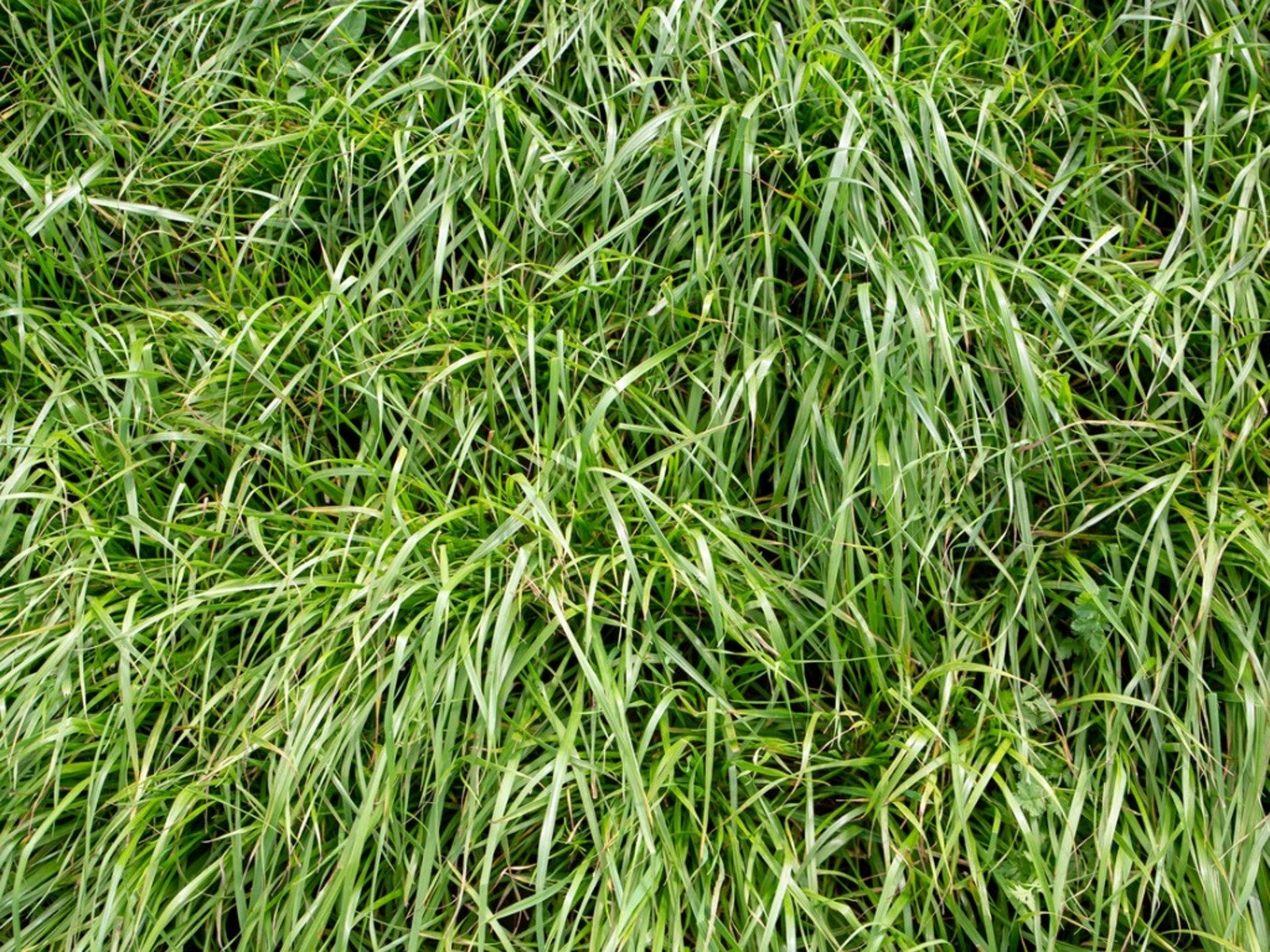
Annual ryegrass, commonly referred to as Italian ryegrass, stands as one of the most versatile and valuable cool-season grasses available for modern agricultural and landscaping applications. Originating from the fertile regions of the Mediterranean basin, this remarkable grass species has earned its reputation as a go-to solution for farmers, landscapers, and land managers seeking fast-establishing ground cover with multiple practical applications.
The adaptability of annual ryegrass makes it an indispensable tool in sustainable agriculture and land management practices. Whether you’re looking to prevent soil erosion on vulnerable slopes, establish temporary turf areas, implement agricultural cover cropping systems, or create seasonal pasture for livestock grazing, this dynamic grass delivers exceptional performance. Its rapid germination rate—often sprouting within just 5-7 days under optimal conditions—means you can achieve meaningful ground cover faster than most alternative grass species.
Primary Applications and Uses of Annual Ryegrass
Erosion Control and Soil Stabilization
One of the most critical applications of annual ryegrass involves erosion control on construction sites, disturbed lands, and vulnerable slopes. The grass develops an extensive fibrous root system that quickly binds soil particles together, preventing valuable topsoil from washing away during heavy rainfall or wind events. This dense root network creates a living soil stabilization matrix that outperforms many synthetic erosion control products while simultaneously improving soil structure and health.
Construction managers and civil engineers frequently specify annual ryegrass for temporary erosion control because of its reliability and cost-effectiveness. The grass establishes quickly enough to provide protection during critical periods while remaining easy to remove or incorporate when permanent landscaping installations begin.
Temporary Turf Grass Solutions
For situations requiring quick establishment of attractive green coverage—such as special events, home sales, or seasonal recreational areas—annual ryegrass delivers excellent results. The grass produces a lush, fine-textured lawn appearance that satisfies aesthetic requirements while serving functional purposes. Golf courses often use annual ryegrass for winter overseeding in warm-season turf areas, providing playable green surfaces during cooler months when primary grasses enter dormancy.
The temporary nature of annual ryegrass actually becomes an advantage in many scenarios, as it naturally declines when temperatures rise or when its lifecycle completes, eliminating the need for costly removal procedures.
Agricultural Cover Cropping Excellence
Soil Health Improvement
As an agricultural cover crop, annual ryegrass excels at capturing residual nitrogen from previous crops, preventing nutrient leaching into groundwater systems. When the ryegrass is terminated and incorporated into the soil, it releases these stored nutrients, making them available for subsequent cash crops. This natural nutrient cycling reduces fertilizer requirements and production costs while promoting environmental stewardship.
The substantial biomass production of annual ryegrass—often reaching 3,000-6,000 pounds of dry matter per acre—provides generous organic matter additions to soil. As this plant material decomposes, it feeds beneficial soil microorganisms, improves soil structure, increases water infiltration rates, and enhances overall soil fertility. These improvements create lasting benefits that extend well beyond the cover crop’s short growing season.
Weed Suppression and Pest Management
Dense annual ryegrass stands create competitive environments that suppress weed emergence and establishment. The thick canopy shades soil surfaces, preventing light from reaching weed seeds and inhibiting their germination. Additionally, the aggressive growth habit of ryegrass allows it to outcompete emerging weeds for water, nutrients, and growing space.
Some research suggests that annual ryegrass may also provide beneficial habitat for predatory insects that help control agricultural pests, contributing to integrated pest management strategies.
Seasonal Pasture Grass for Livestock Operations
Livestock producers value annual ryegrass for its high forage quality and productivity during cool-season grazing periods. The grass provides excellent nutrition for cattle, sheep, horses, and other grazing animals, with high protein content and good digestibility. During peak growing periods, annual ryegrass can produce substantial quantities of palatable forage, supporting intensive grazing operations.
The grass performs particularly well in rotational grazing systems where quick regrowth between grazing periods is essential. Its ability to tolerate moderate grazing pressure while maintaining vigorous growth makes it an economical choice for supplementing year-round pasture programs or providing dedicated winter grazing areas.
Climate Considerations and Growing Requirements
Temperature Tolerance and Seasonal Limitations
As a Mediterranean-origin species, annual ryegrass demonstrates a preference for cool, mild conditions. The grass thrives in temperatures ranging from 45°F to 75°F, producing optimal growth during spring and fall periods in temperate climates. However, its limited tolerance for temperature extremes represents an important consideration for potential users.
High summer temperatures—particularly prolonged periods above 85°F—cause significant stress to annual ryegrass, often leading to dormancy or plant decline. Similarly, severe winter conditions below 10°F can damage or kill established stands, especially when adequate snow cover is absent. These temperature sensitivities explain why annual ryegrass functions best as a short-lived, seasonal grass rather than a permanent landscape solution.
Moisture Requirements
Annual ryegrass performs best with consistent moisture availability throughout its growing season. The grass requires approximately 25-30 inches of total water during its lifecycle, whether from rainfall, irrigation, or a combination of both. While established plants show moderate drought tolerance for brief periods, extended water stress significantly reduces growth rates and overall performance.
In regions with reliable spring and fall rainfall patterns, annual ryegrass often thrives with minimal supplemental irrigation. However, in drier climates or during drought conditions, irrigation support may be necessary to achieve desired results.
Establishment and Management Practices
Successful annual ryegrass establishment begins with proper seedbed preparation and appropriate seeding rates. Most applications require 20-40 pounds of seed per acre, with higher rates used for erosion control and lower rates sufficient for cover cropping in agricultural rotations. Shallow planting depths of ¼ to ½ inch provide optimal germination conditions.
The grass benefits from starter fertilizer applications at planting, particularly in low-fertility soils. However, excessive nitrogen availability can promote overly lush growth that becomes susceptible to disease issues. Balanced fertility management supports healthy development without creating vulnerability problems.
Environmental Benefits and Sustainability
Beyond its direct agricultural and landscaping applications, annual ryegrass contributes significantly to environmental conservation efforts. The grass improves water quality by filtering runoff, reducing sediment delivery to waterways, and capturing agricultural chemicals before they reach sensitive aquatic ecosystems. Its carbon sequestration during rapid growth periods contributes modestly to atmospheric carbon reduction goals.
The biodegradable nature of annual ryegrass means it leaves no persistent residues or environmental concerns when its lifecycle concludes, aligning perfectly with organic and sustainable land management philosophies.
Supporting Regenerative Agriculture
Annual ryegrass plays a vital role in regenerative agriculture systems that focus on building soil health, increasing biodiversity, and creating resilient farming operations. When used in multi-species cover crop mixtures, ryegrass complements legumes and other plant types to create diverse root systems and biomass profiles that maximize soil improvement benefits.
The accessibility and affordability of annual ryegrass seed makes it an excellent entry point for farmers transitioning toward more sustainable practices. Its proven performance and visible results help build confidence in cover cropping systems while delivering measurable improvements in soil quality and farm profitability.






Reviews
Clear filtersThere are no reviews yet.