
No products in the cart.
Return To Shop
No products in the cart.
Return To Shop
No products in the cart.
Return To Shop
No products in the cart.
Return To ShopAvailable in store

Available in store
Available in store
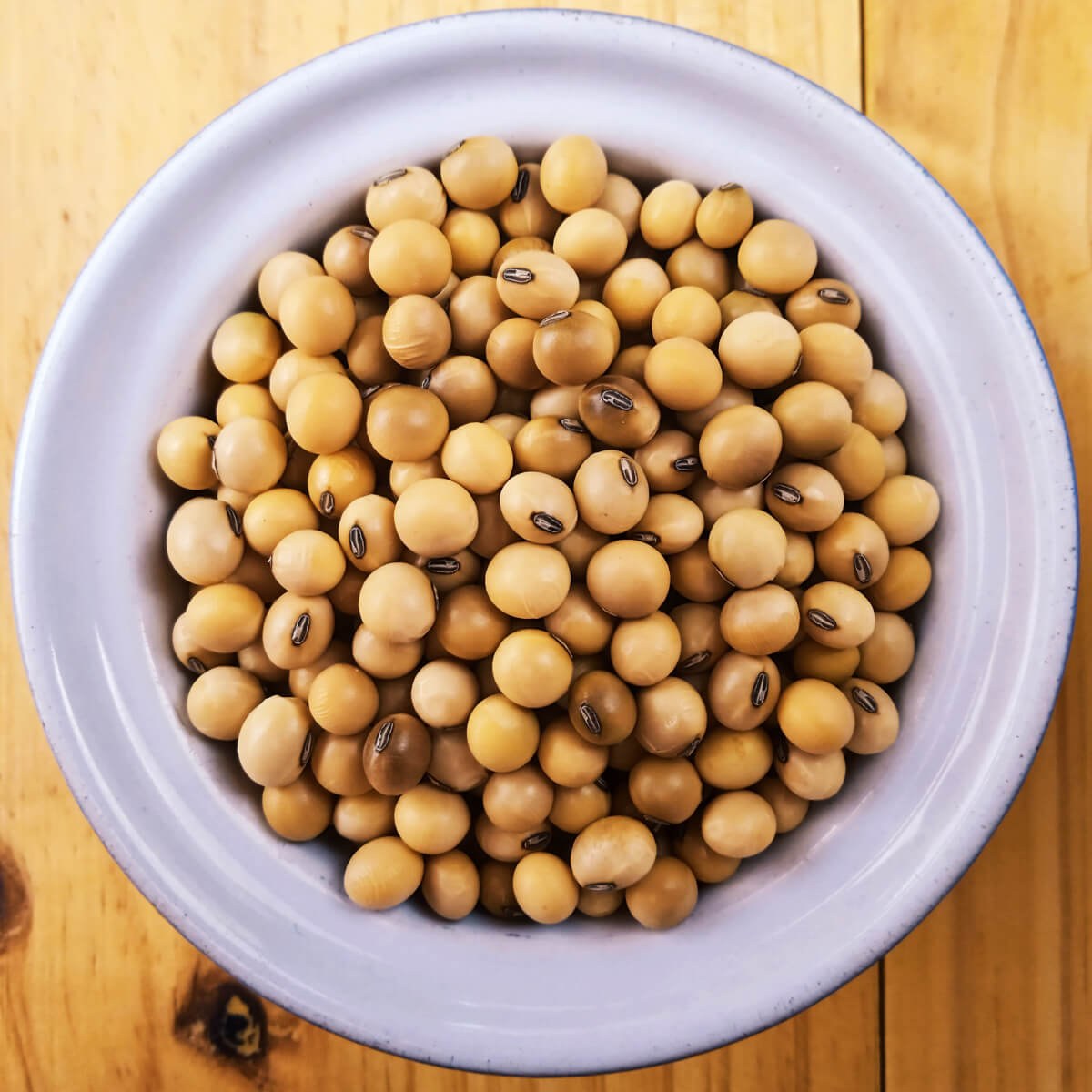
Non-GMO soya beans offer pure, natural nutrition without genetic modification for health-conscious consumers.
Our premium yellow-hilum and dark-hilum varieties deliver exceptional yields and superior agronomic performance.
These versatile legumes provide complete plant-based protein with all nine essential amino acids.
Ideal for producing tofu, soy milk, tempeh, and countless nutritious plant-based products.
Sustainably grown soybeans that meet the highest standards for quality, purity, and environmental responsibility.
Pay in 4 interest-free installments for orders over $2500 with BCI
 Soya Beans Non-GMO
Available in store
In today’s health-conscious marketplace, there are different markets for different types of soybeans, each with unique characteristics and applications that serve diverse consumer needs. At Blue Compost Investments, we recognize the growing demand for pure, unmodified soybeans that deliver exceptional nutrition without genetic engineering. Our premium non-GMO soya beans represent a commitment to natural agriculture, sustainable farming practices, and the highest standards of quality that discerning customers expect and deserve.
The distinction between GMO and non-GMO soybeans has become increasingly important to consumers, food manufacturers, and farmers alike. Non-GMO soybeans maintain their natural genetic structure, free from laboratory modifications, providing peace of mind for those who prefer foods as nature intended them. This preference has created robust market opportunities, and many farmers have capitalized on the potential premiums available from growing non-GMO soybean seed to meet this rising demand. These premium markets reflect consumer willingness to pay more for purity, traceability, and agricultural practices that align with their values.
Our focus is on producing high-yielding and agronomically sound yellow-hilum and dark-hilum soybeans, so growers have options that maximize both productivity and market value. This dual-variety approach ensures that farmers can select the soybeans best suited to their specific growing conditions, market demands, and business goals. Yellow-hilum soybeans, characterized by their light-colored seed attachment points, are particularly prized for food-grade applications including tofu production, soy milk manufacturing, and other premium food products where appearance and flavor matter.
Dark-hilum soybeans, while featuring darker attachment points, offer their own advantages in certain markets and applications. Both varieties in our product line have been carefully selected for their proven performance across multiple growing seasons, demonstrating consistent yields, disease resistance, and adaptability to various environmental conditions. This agronomic soundness means farmers can plant with confidence, knowing these non-GMO varieties deliver reliable results without sacrificing productivity.
The yield potential of our non-GMO soya beans rivals and often exceeds that of conventional varieties, dispelling the myth that choosing non-GMO means accepting lower productivity. Through careful variety selection, proper agronomic practices, and our commitment to seed quality, these soybeans produce abundant harvests that make economic sense for growers while meeting the premium market demand for non-GMO products.
Soya beans stand alone among plant foods as a complete protein source, containing all nine essential amino acids in proportions that support human health and nutrition. This makes non-GMO soya beans invaluable for vegetarians, vegans, and anyone seeking to diversify their protein sources beyond animal products. The protein content in soybeans typically ranges from 36-40%, making them one of the most concentrated plant protein sources available in nature.
Beyond protein, non-GMO soya beans deliver an impressive nutritional profile including healthy fats, complex carbohydrates, dietary fiber, and essential micronutrients. They’re rich in iron, calcium, magnesium, phosphorus, potassium, and B vitamins—all crucial for maintaining optimal health. The isoflavones found in soybeans have been studied extensively for their potential health benefits, including support for heart health, bone density, and hormonal balance.
The healthy fats in soybeans consist primarily of polyunsaturated and monounsaturated fatty acids, including omega-3 and omega-6 fatty acids in beneficial ratios. These fats support cardiovascular health, brain function, and inflammatory response regulation. Unlike many protein sources, soybeans are naturally cholesterol-free and low in saturated fat, making them an heart-healthy choice for people of all ages.
Non-GMO soya beans serve as the foundation for countless food products enjoyed worldwide. Traditional Asian foods like tofu, tempeh, miso, and soy sauce all begin with these remarkable legumes. Tofu production, in particular, benefits from high-quality yellow-hilum soybeans that produce smooth, clean-tasting curds with excellent texture and neutral flavor that absorbs seasonings beautifully.
Soy milk manufacturing represents another major application for premium non-GMO soybeans. The mild, slightly sweet beverage produced from these beans offers a dairy-free alternative that’s rich in protein, fortified with essential nutrients, and suitable for those with lactose intolerance or dairy allergies. Modern processing techniques create soy milk with improved flavor and texture that appeals to mainstream consumers while maintaining the nutritional benefits that make soybeans valuable.
Beyond traditional applications, food manufacturers use non-GMO soya beans to create meat alternatives, protein powders, energy bars, baked goods, and countless other products. The growing plant-based food sector has created unprecedented demand for high-quality, traceable, non-GMO soybeans that meet stringent food safety and quality standards.
Choosing non-GMO soya beans supports agricultural biodiversity and sustainable farming practices. These soybeans grow using traditional breeding methods that have improved varieties over generations without introducing foreign genetic material. This approach preserves genetic diversity within soybean populations, an important consideration for long-term agricultural resilience and adaptability.
Like all soybeans, non-GMO varieties are nitrogen-fixing legumes that enrich soil naturally through their symbiotic relationship with beneficial bacteria. This reduces or eliminates the need for synthetic nitrogen fertilizers, lowering production costs while minimizing environmental impact. Soybeans also break up disease cycles and improve soil structure when used in crop rotation systems, benefiting subsequent crops and supporting sustainable agricultural systems.
The water efficiency of soybean production, combined with their high protein yield per acre, makes them one of the most environmentally efficient protein sources available. Compared to animal protein production, soybeans require significantly less water, land, and energy while producing substantially fewer greenhouse gas emissions.
At Blue Compost Investments, every batch of non-GMO soya beans undergoes rigorous testing to verify genetic purity, nutritional content, and freedom from contamination. We maintain strict segregation protocols throughout growing, harvesting, and storage to ensure our non-GMO beans meet international certification standards. This attention to detail provides the documentation and traceability that premium markets demand.
Our commitment extends beyond the farm to comprehensive support for customers seeking reliable sources of certified non-GMO soybeans. Whether you’re a food manufacturer requiring consistent quality, a farmer seeking premium seed for planting, or a consumer interested in whole soybeans for home use, we provide the expertise and support that ensures success. Explore our complete range of premium seeds and agricultural products to discover how non-GMO soya beans fit into your nutrition or business goals.
Make the natural choice for your health and agricultural success. Choose certified non-GMO soya beans from Blue Compost Investments and experience the difference that purity, quality, and sustainability make. According to the Non-GMO Project, consumer demand for verified non-GMO products continues to grow rapidly, making now the perfect time to embrace these pure, natural soybeans that honor both tradition and innovation in sustainable agriculture.
You must be logged in to post a review.
Blue Compost Investments Fertilizer works with Farmer Associations, Corporate Farms, NPK Blenders, NGO/development partners and State Governments all over South Africa.
Subscribe us and get latest news.
* Don’t worry, we don’t spam.
Copyright © 2025 Blue Compost Investments | Rustenburg, SA
Social Chat is free, download and try it now here!
Reviews
There are no reviews yet.