
No products in the cart.
Return To Shop
No products in the cart.
Return To Shop
No products in the cart.
Return To Shop
No products in the cart.
Return To ShopAvailable in store

Available in store
Available in store
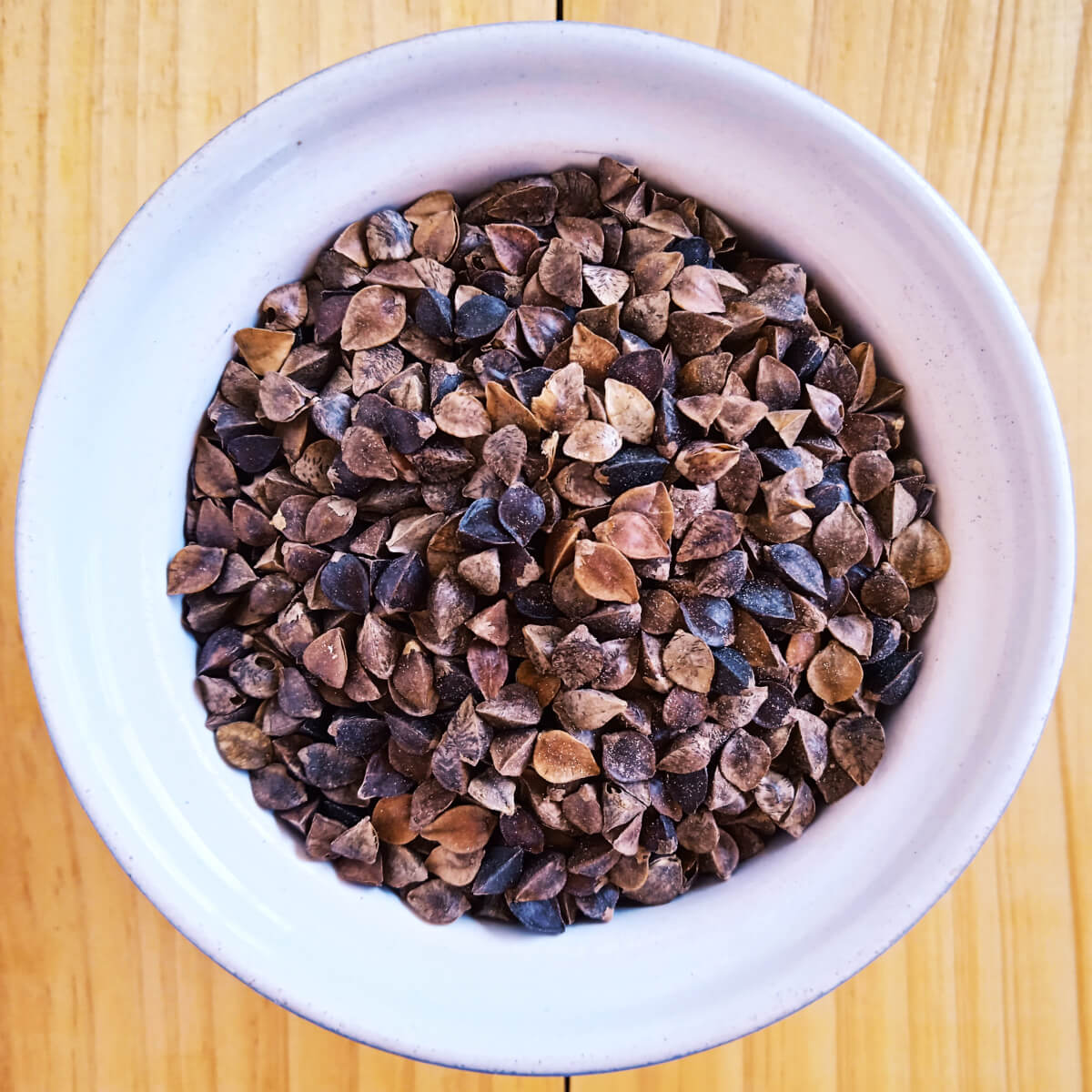
Premium whole buckwheat grain sourced from certified sustainable farms with exceptional purity standards.
Our buckwheat seeds deliver rapid growth cycles ideal for cover cropping and rotational farming systems.
Perfect for organic food production, animal feed formulations, and natural farming applications nationwide.
Each batch undergoes rigorous quality testing to ensure germination viability and organic certification compliance.
Invest in whole buckwheat grain that supports soil enrichment, pollinator health, and sustainable agriculture practices.
Pay in 4 interest-free installments for orders over $2500 with BCI
 Whole Buckwheat Grain | Seeds
Available in store
Whole buckwheat grain represents one of nature’s most versatile and valuable crops for farmers committed to sustainable agriculture and soil health. Unlike conventional grains that deplete soil nutrients, buckwheat serves as a dynamic cover crop that actively improves soil structure, suppresses weeds, and attracts beneficial pollinators to agricultural ecosystems. Our premium whole buckwheat grain and seeds are specifically selected and processed to provide farmers with the highest quality planting material available, ensuring optimal performance across diverse growing conditions and agricultural applications.
The resurgence of buckwheat cultivation reflects a broader movement toward regenerative agriculture and sustainable farming practices that work in harmony with natural ecological systems. Whole buckwheat grain serves multiple critical functions in modern farming operations, from improving soil health through natural amendments to providing nutritious feed for livestock and poultry operations. As farmers increasingly recognize the limitations of monoculture farming and chemical-intensive agriculture, buckwheat has emerged as a cornerstone crop for building more resilient, profitable, and environmentally responsible farming systems.
Buckwheat’s rapid growth cycle—typically reaching maturity in just 60-70 days—makes it an exceptionally valuable tool for farmers seeking to maximize land productivity while minimizing environmental impact. Our whole buckwheat grain kernels are cultivated using organic farming practices that eliminate synthetic pesticides and herbicides, preserving the crop’s natural integrity and nutritional density. When you choose whole buckwheat grain from Blue Compost Investments, you’re investing in a product that has been carefully grown, harvested, and processed to meet the highest standards of agricultural excellence and sustainability.
Our whole buckwheat grain undergoes comprehensive quality assurance protocols to guarantee that you receive only premium planting material and food-grade kernels. Each batch is evaluated for germination percentage, kernel uniformity, purity levels, and moisture content to ensure that you invest in seeds with genuinely outstanding performance potential. The germination rates of our whole buckwheat grain consistently exceed 85-90%, with many batches achieving germination rates above 95%, translating directly into healthier seedlings and more productive harvests across your entire operation.
The superior quality of our whole buckwheat grain begins with careful seed selection and sourcing from established organic farming operations that prioritize crop quality and natural growing practices. We source our buckwheat kernels from farming communities with decades of experience in buckwheat cultivation, ensuring that the seeds you plant carry the genetic vigor and environmental adaptation needed to thrive in your specific growing region. Whether you’re farming in temperate zones, high-altitude environments, or variable climate regions, our whole buckwheat grain has been proven to deliver consistent, reliable performance regardless of seasonal variations.
Beyond exceptional germination rates, the nutritional profile of our whole buckwheat grain is remarkably comprehensive and beneficial for multiple agricultural applications. Buckwheat kernels contain high-quality proteins, essential amino acids, manganese, magnesium, copper, and phosphorus—nutrients that make them invaluable for livestock feed formulations and human nutrition alike. This impressive nutritional density ensures optimal feed conversion rates for poultry, livestock, and aquaculture operations while supporting premium nutritional value in whole grain food products and specialty flour applications.
Whole buckwheat grain excels as a cover crop that fundamentally transforms soil health and agricultural productivity over time. Unlike many conventional crops that extract nutrients from soil, buckwheat actively enriches soil through nitrogen fixation relationships and the decomposition of its organic matter. When you plant our whole buckwheat grain as a cover crop, you’re initiating a natural soil improvement process that reduces the need for expensive synthetic fertilizers while building long-term soil fertility and biological activity.
The rapid growth characteristics of buckwheat make it the ideal choice for farmers implementing intensive rotational cropping systems and cover crop strategies. Within weeks of planting, your buckwheat seedlings will establish vigorous growth that quickly suppresses weeds, reducing the need for mechanical cultivation or herbicide applications. This rapid establishment also means that buckwheat can be planted and grown between primary crop seasons, maximizing your land’s productivity without sacrificing soil health or requiring additional inputs.
Perhaps most impressively, whole buckwheat grain flowers attract an extraordinary abundance of pollinators—bees, beneficial insects, and other natural pest controllers that strengthen your entire farm ecosystem. By integrating buckwheat into your crop rotation and cover cropping programs, you’re creating habitat for beneficial insects that naturally manage pest populations across your entire operation. This ecosystem service reduces your dependence on chemical pest management while simultaneously improving pollination of your primary crops and enhancing overall farm biodiversity.
For farmers operating livestock, poultry, and aquaculture operations, whole buckwheat grain offers exceptional nutritional value and feed conversion efficiency. The balanced amino acid profile in buckwheat kernels supports optimal growth rates, feed conversion ratios, and overall animal health outcomes that directly impact your operation’s profitability. Nutritionists and livestock specialists increasingly incorporate whole buckwheat grain into premium feed formulations designed for high-performance animals and specialized production systems.
Poultry producers particularly benefit from whole buckwheat grain supplementation, as the crop’s natural nutrients support vibrant feather coloration, excellent egg production, and superior meat quality that commands premium market prices. The mineral profile of buckwheat—especially its manganese and copper content—supports skeletal development, immune function, and reproductive performance in breeding flocks. Many producers report improved animal health, reduced disease incidence, and faster growth rates when whole buckwheat grain is incorporated into their feed programs.
The digestibility and bioavailability of nutrients in whole buckwheat grain exceed many conventional feed grains, meaning your animals extract maximum nutritional benefit from every kernel consumed. This superior digestibility translates to reduced feed waste, improved feed conversion efficiency, and ultimately lower feeding costs per unit of animal production. For farms seeking to optimize profitability while maintaining premium animal health and product quality, whole buckwheat grain represents an excellent nutritional investment.
Whole buckwheat grain has experienced dramatic resurgence in the specialty food and natural products marketplace, reflecting growing consumer interest in ancient grains, whole foods, and nutritionally dense ingredients. Our premium whole buckwheat grain serves as an exceptional ingredient for artisanal flour mills, specialty food manufacturers, and health-conscious consumers seeking nutrient-dense whole grain products. The naturally gluten-free composition of buckwheat opens market opportunities among consumers with celiac disease and gluten sensitivity while appealing to health-conscious consumers seeking diverse grain options.
Food manufacturers and specialty producers appreciate the consistency, purity, and reliability of our whole buckwheat grain for applications ranging from buckwheat flour production to specialty noodles, pancake mixes, and health food formulations. The neutral flavor profile and superior texture of our buckwheat kernels make them ideal for both traditional cultural applications and innovative culinary creations. Whether your customers seek traditional buckwheat groats, sprouted buckwheat products, or specialty flour applications, our whole buckwheat grain provides the reliable, high-quality raw material your production depends upon.
The craft beverage industry, including specialty breweries and distilleries, increasingly incorporates whole buckwheat grain into premium brewing formulations for distinctive flavor profiles and nutritional enhancement. Buckwheat’s rapid fermentation characteristics and unique flavor compounds create distinctive beer and spirit products that differentiate craft beverages in competitive premium markets. Our whole buckwheat grain provides the consistent quality and reliable performance that craft beverage producers require for developing signature products.
The allelopathic properties of buckwheat—its natural ability to suppress competing weed growth—make it an invaluable tool for organic farmers and growers committed to chemical-free weed management. When you plant whole buckwheat grain as a cover crop, the dense canopy rapidly develops and effectively prevents weed seed germination while suppressing existing weeds through natural mechanisms. This natural weed management capability dramatically reduces labor requirements for mechanical cultivation and eliminates the need for herbicide applications on your farm.
Beyond weed suppression, whole buckwheat grain’s growth characteristics naturally break up compacted soil, improve soil structure, and enhance water infiltration. The fibrous root system of buckwheat creates pathways through dense soil that improve drainage, increase soil porosity, and facilitate beneficial microbial activity. For farmers dealing with compacted soils, heavy clay conditions, or poor drainage situations, buckwheat’s soil-improving characteristics can prove transformative for agricultural productivity. To understand more about integrated pest management strategies and organic weed control, explore resources from the USDA National Organic Program for comprehensive guidance on certified organic practices.
Whole buckwheat grain demonstrates remarkable resilience across diverse climate conditions and growing environments, making it an excellent choice for farmers in variable climates or challenging agricultural regions. Buckwheat’s relatively shallow root system makes it less vulnerable to severe drought stress compared to many conventional grains, while its rapid growth cycle allows farmers to complete entire buckwheat crops before late-season dry periods impact yields. This climate resilience makes buckwheat an increasingly valuable crop for regions experiencing weather pattern changes and climatic variability.
The water efficiency of buckwheat cultivation appeals particularly to farmers in arid regions, areas with variable rainfall patterns, and operations seeking to reduce irrigation requirements. Our whole buckwheat grain naturally utilizes available moisture efficiently while improving soil water-holding capacity through organic matter accumulation and improved soil structure. For environmentally conscious farmers seeking crops that minimize water consumption while maximizing productivity, buckwheat represents an exceptional agricultural solution aligned with sustainable resource management principles.
Unlike many modern crop varieties that require annual seed purchases, whole buckwheat grain supports traditional seed-saving practices that build long-term agricultural independence and reduce input costs. Farmers can easily save seeds from high-performing buckwheat plants, selecting for traits that perform optimally in their specific growing environments and local climate conditions. This seed-saving capability creates a cyclical, regenerative farming system that reduces dependence on commercial seed suppliers while building an adaptable crop variety specifically suited to your unique agricultural situation.
The simplicity of buckwheat seed production makes it particularly valuable for small-scale farmers, homesteaders, and operations seeking greater agricultural self-sufficiency. Unlike hybrid crop varieties that don’t produce viable seeds for replanting, buckwheat grows true from saved seed, meaning each generation maintains the genetic characteristics and performance traits you select for. This adaptability encourages long-term thinking and investment in your farm’s future as you gradually develop buckwheat varieties perfectly suited to your local growing conditions.
Choosing whole buckwheat grain from Blue Compost Investments means accessing agricultural expertise, quality assurance, and comprehensive support that goes far beyond simple product delivery. We understand that buckwheat serves critical functions in diverse farming systems, and we’ve built our reputation on sourcing and supplying the highest-quality whole buckwheat grain available in competitive markets. Our team remains committed to providing detailed information about seed origins, recommended planting densities, optimal timing for cover crop integration, and best practices for maximizing your buckwheat investment.
When you partner with Blue Compost Investments for your whole buckwheat grain needs, you gain access to agricultural professionals who understand the nuances of buckwheat cultivation, cover cropping strategies, and integrated farm management. We provide technical support regarding seed storage, germination optimization, and cultivation practices tailored to your specific growing region and farming objectives. Our commitment to farmer success extends across every interaction, ensuring that your buckwheat investment generates maximum returns and contributes meaningfully to your long-term agricultural goals.
We encourage you to explore our comprehensive selection of organic seeds and sustainable farming supplies to discover complementary products that enhance your buckwheat cultivation program. Whether you seek additional cover crop varieties, soil amendments, livestock feed supplements, or organic farming supplies, Blue Compost Investments serves as your complete agricultural partner. Our dedication to quality, sustainability, and farmer success remains constant across every product we offer to agricultural operations nationwide.
You must be logged in to post a review.
Blue Compost Investments Fertilizer works with Farmer Associations, Corporate Farms, NPK Blenders, NGO/development partners and State Governments all over South Africa.
Subscribe us and get latest news.
* Don’t worry, we don’t spam.
Copyright © 2025 Blue Compost Investments | Rustenburg, SA
Social Chat is free, download and try it now here!
Reviews
There are no reviews yet.