



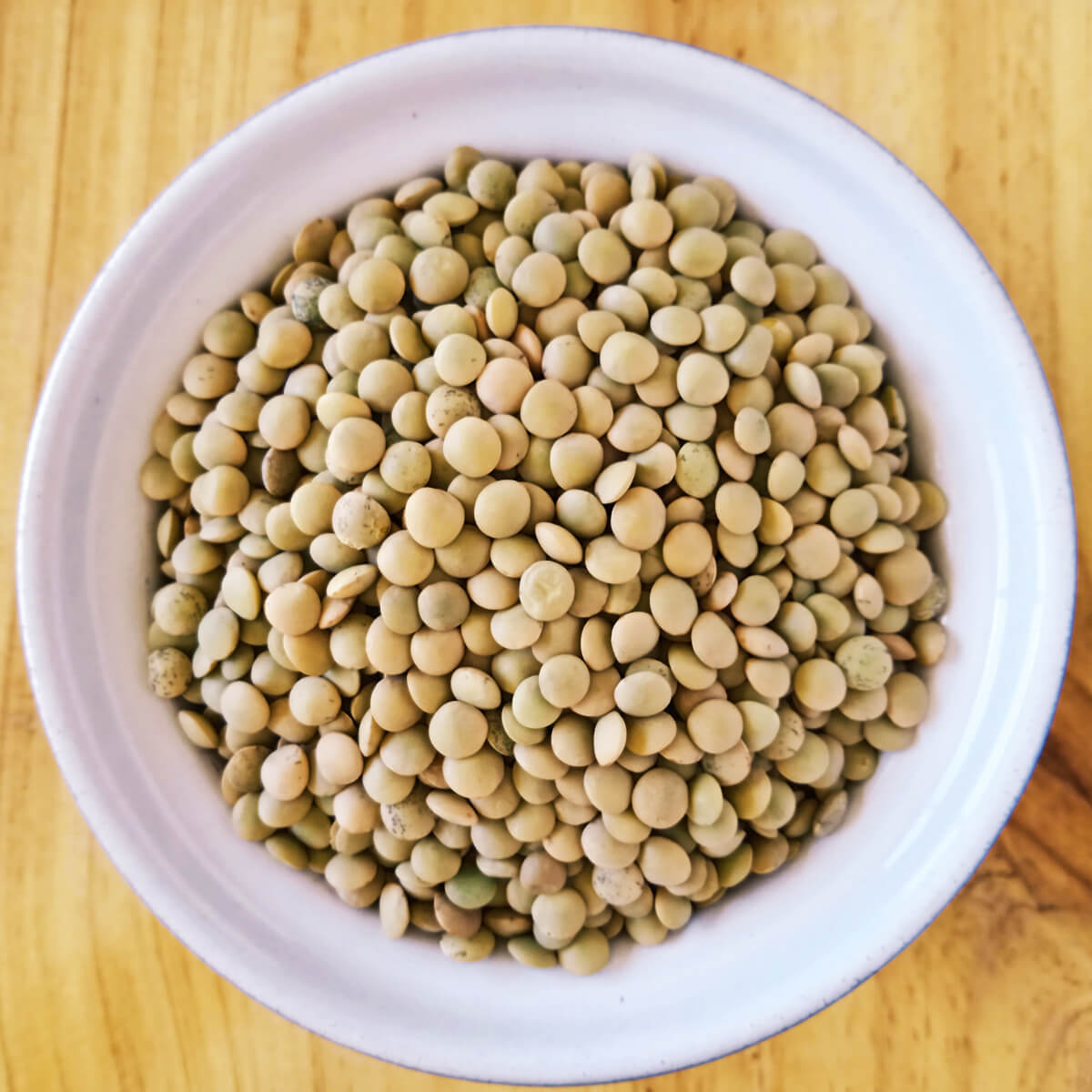
Whole Green Lentils
Whole green lentils offer a creamy, nutty taste with quick cooking times requiring no pre-soaking preparation.
These nutritious legumes retain their firm shape after cooking, making them ideal for salads and chunky soups.
Packed with plant-based protein, fiber, iron, and folate supporting energy metabolism and overall wellness.
Premium quality lentils cook in just 20-30 minutes, perfect for busy home cooks and meal preparation.
Versatile ingredient suitable for Mediterranean, Indian, Middle Eastern, and contemporary plant-based cuisine worldwide.

Free Shipping
We’re taking the extra cost out of your cart. Enjoy Free Standard Shipping on every order – no minimum purchase, no coupon code needed. Just the products you love, delivered right to your door for the price you see.

Products Guaranty
At Blue Compost Investments, we stand behind every product we deliver. Our Products Guaranty ensures that you receive only high-quality, reliable items or we make it right.
Understanding Whole Green Lentils and Their Global Culinary Significance
Whole green lentils stand among the most nutritionally valuable and culinarily versatile legumes available to modern cooks, combining exceptional nutritional density with remarkable convenience and adaptability across diverse cooking applications. These small but mighty legumes have sustained human populations for thousands of years, appearing in archaeological records dating back to ancient civilizations in the Middle East and Mediterranean regions. Today, whole green lentils maintain their relevance as essential pantry staples for health-conscious consumers, busy families seeking nutritious quick-cooking options, and professional chefs crafting sophisticated plant-based cuisine.
The distinctive characteristics of whole green lentils—particularly their creamy, nutty taste and ability to retain shape after cooking—set them apart from other lentil varieties including red, yellow, and brown lentils. While red and yellow lentils break down during cooking to create smooth, creamy consistencies ideal for soups and purées, whole green lentils maintain structural integrity even when fully cooked and tender. This shape retention makes green lentils particularly valuable in applications where visual appeal and textural contrast matter, such as grain salads, composed vegetable dishes, and chunky soups where distinct legume presence enhances the eating experience.
Premium Quality and Quick-Cooking Convenience
No Soaking Required for Rapid Preparation
One of the most appealing attributes of whole green lentils involves their quick cooking time and the complete elimination of pre-soaking requirements that complicate preparations of many other dried legumes. Unlike beans, chickpeas, and whole dried peas that typically require overnight soaking to achieve reasonable cooking times and optimal digestibility, whole green lentils cook beautifully from their dried state, requiring only simple rinsing before cooking. This convenience factor makes lentils accessible to spontaneous cooking and meal preparation, allowing cooks to decide to incorporate lentils into dinner plans without the advance planning and overnight soaking that other legumes demand.
The typical cooking time for whole green lentils ranges from 20-30 minutes of gentle simmering, significantly faster than most other protein-rich legumes. This rapid cooking capability positions green lentils as practical options for weeknight dinners, quick lunch preparations, and situations where time constraints might otherwise discourage home cooking in favor of less nutritious convenience foods. The combination of nutritional excellence and cooking convenience makes whole green lentils ideal staples for busy households seeking healthy, home-cooked meals.
Australian Whole Green Lentils Quality Standards
Premium whole green lentils sourced from Australian production systems benefit from the country’s favorable growing conditions, modern agricultural practices, and strict quality standards. Australian lentil farmers utilize advanced cultivation techniques, appropriate crop rotations, and careful harvesting methods that preserve lentil quality while supporting environmental sustainability. The result is clean, uniform lentils with consistent cooking characteristics and excellent nutritional profiles.
Australian whole green lentils typically exhibit attractive olive-green coloring, uniform sizing that promotes even cooking, and minimal presence of broken lentils or foreign material. These quality characteristics reflect careful handling throughout the production and processing chain, from field to final packaging. While the product may contain traces of other grains (wheat, barley, oats, rye) or legumes (soy, lupin) due to shared processing equipment—important information for individuals with specific food allergies or sensitivities—the primary product consists of 100% whole green lentils.
Comprehensive Nutritional Profile and Health Benefits
Exceptional Plant-Based Protein Content
Whole green lentils deliver impressive quantities of plant-based protein, providing approximately 18 grams of protein per cooked cup. This substantial protein content positions green lentils among the highest-protein plant foods available, making them invaluable for vegetarians, vegans, and anyone seeking to incorporate more plant proteins into their dietary patterns. The protein in lentils includes all essential amino acids, though like most plant proteins, certain amino acids appear in relatively lower concentrations compared to animal protein sources.
The digestibility and biological value of lentil protein can be optimized through proper preparation methods including thorough cooking and strategic food combinations that pair lentils with complementary protein sources. Combining lentils with whole grains like rice, quinoa, bulgur, or barley creates complementary amino acid profiles that rival animal proteins in completeness and nutritional value. This protein complementarity proves particularly important for individuals following plant-based diets who rely on varied plant protein sources to meet all essential amino acid requirements.
Rich Fiber Content Supporting Digestive and Metabolic Health
Beyond their impressive protein content, whole green lentils rank among excellent dietary fiber sources, typically delivering 15-16 grams of fiber per cooked cup. This exceptional fiber content includes both soluble fiber that dissolves in water and insoluble fiber that adds bulk to digestive contents. Soluble fiber forms gel-like substances during digestion, slowing nutrient absorption, moderating blood sugar responses, and helping reduce LDL cholesterol levels through bile acid binding. These metabolic benefits support cardiovascular health, diabetes management, and healthy body weight maintenance.
The insoluble fiber in lentils promotes regular bowel movements, prevents constipation, and supports overall digestive tract health. The combination of fiber types also nourishes beneficial gut bacteria populations, contributing to healthy gut microbiome diversity. Research increasingly connects gut microbiome health to numerous aspects of wellness including immune function, mental health, metabolic regulation, and chronic disease prevention. By supporting beneficial bacterial populations through prebiotic fiber provision, whole green lentils contribute to these broad health benefits extending beyond basic digestive function.
Essential Vitamins and Minerals
Whole green lentils provide comprehensive micronutrient profiles including substantial quantities of folate (vitamin B9), crucial for DNA synthesis, cell division, and particularly important during pregnancy for preventing neural tube defects. A single cup of cooked lentils provides approximately 90% of the daily folate requirement, making lentils among the richest natural folate sources available. The lentils also supply significant amounts of iron, essential for oxygen transport in blood and preventing iron-deficiency anemia, particularly important for women of childbearing age, pregnant women, and individuals following plant-based diets.
Additional minerals in whole green lentils include magnesium, which participates in hundreds of enzymatic reactions including energy production and muscle function; phosphorus, supporting bone health and energy metabolism; potassium, helping regulate blood pressure and fluid balance; and zinc, essential for immune function, wound healing, and protein synthesis. The B-vitamin complex in lentils includes thiamin (B1), supporting energy metabolism; vitamin B6, involved in protein metabolism and neurotransmitter synthesis; and pantothenic acid (B5), participating in fat, protein, and carbohydrate metabolism.
Culinary Applications Highlighting Shape Retention
Perfect for Salads and Grain Bowls
The defining characteristic of whole green lentils—their ability to retain shape after cooking—makes them particularly valuable in cold and room-temperature applications where structural integrity enhances both visual appeal and eating experience. Lentil salads showcase this quality beautifully, with tender yet distinct lentils providing protein and substance alongside fresh vegetables, herbs, and flavorful dressings. Mediterranean-inspired lentil salads might combine cooked lentils with diced tomatoes, cucumbers, red onions, fresh herbs like parsley and mint, crumbled feta cheese, and lemon vinaigrette.
Grain bowls and Buddha bowls benefit tremendously from the addition of whole green lentils, which contribute plant protein, fiber, and satisfying texture to these composed dishes. The lentils pair beautifully with quinoa, brown rice, farro, or other whole grains, creating complementary protein combinations while adding color and textural variety. Topped with roasted vegetables, fresh greens, avocado, and flavorful sauces, lentil-based grain bowls deliver complete nutrition in visually appealing, satisfying presentations.
Ideal for Chunky Soups and Stews
While red and yellow lentils excel in smooth, creamy soups where they break down completely, whole green lentils shine in chunky soups and hearty stews where their shape retention creates appealing texture and visual interest. Classic lentil soup preparations benefit from green lentils’ ability to remain distinct even after extended cooking, providing satisfying spoonful experiences with intact lentils, vegetables, and sometimes meat or sausage additions.
Lentil and vegetable stews showcase green lentils alongside root vegetables, tomatoes, leafy greens, and aromatic seasonings, creating one-pot meals that deliver comprehensive nutrition and comforting satisfaction. The lentils absorb surrounding flavors while maintaining their nutty taste and pleasant texture, contributing to complex flavor profiles without losing their identity within the dish. Adding whole green lentils to existing soup and stew recipes boosts protein and fiber content while adding substance and nutritional value.
Flavor Profile and Seasoning Recommendations
Creamy, Nutty Taste Characteristics
The creamy, nutty taste of whole green lentils provides excellent flavor foundation that complements diverse seasoning approaches and culinary traditions. The subtle nuttiness adds depth without overwhelming other ingredients, while the creamy quality creates pleasant mouthfeel and satisfying richness without added fats. This inherent flavor profile allows green lentils to adapt beautifully to preparations ranging from simply seasoned side dishes to elaborately spiced international cuisine.
The mild yet distinctive taste of green lentils pairs particularly well with earthy spices like cumin, coriander, and turmeric; aromatic ingredients including garlic, ginger, and onions; fresh herbs such as parsley, cilantro, thyme, and bay leaves; and acidic components like lemon juice, vinegar, or tomatoes that brighten flavors and balance richness. The lentils also harmonize beautifully with umami-rich ingredients including soy sauce, miso, mushrooms, and Parmesan cheese.
Global Culinary Traditions
Whole green lentils appear in diverse culinary traditions worldwide, demonstrating their universal appeal and adaptability. French cuisine embraces lentils in elegant preparations like lentils du Puy served alongside roasted meats or as standalone vegetarian entrées. Indian cooking incorporates green lentils into various dal preparations, often featuring complex spice blends, coconut milk, and aromatic tempering with ghee, mustard seeds, and curry leaves.
Middle Eastern cuisines utilize lentils in hearty soups, stews, and rice-based dishes like mujadara, which combines lentils with rice and caramelized onions. Mediterranean cooking features lentils in salads, side dishes, and rustic stews seasoned with olive oil, garlic, and herbs. These diverse applications demonstrate whole green lentils’ remarkable versatility across flavor profiles, preparation methods, and serving contexts.
Preparation Methods and Cooking Instructions
Basic Cooking Technique
Preparing whole green lentils begins with thorough rinsing under cold running water, removing any debris or damaged lentils. No soaking is required, making preparation straightforward and spontaneous. Combine rinsed lentils with water or broth using approximately 2.5 to 3 cups of liquid per cup of dried lentils. Bring the liquid to a boil, then reduce heat to maintain gentle simmer.
Cook the lentils uncovered for 20-30 minutes, checking for doneness after 20 minutes. Properly cooked whole green lentils should be tender throughout but still maintain their shape without becoming mushy. Cooking times vary slightly depending on lentil age and desired final texture—some applications benefit from slightly firmer lentils while others prefer softer consistency. Drain any excess liquid after cooking if not using lentils in soup or stew applications where cooking liquid becomes part of the final dish.
Seasoning and Flavor Development
While lentils can be cooked in plain water and seasoned after cooking, developing flavor during the cooking process creates more deeply satisfying results. Adding aromatics like onion, garlic, and bay leaves to cooking liquid infuses lentils with flavor from the start. Cooking lentils in vegetable or chicken broth rather than water substantially enhances taste. Adding salt at the beginning of cooking can slightly toughen lentil skins and extend cooking time, so many cooks prefer adding salt during the final minutes of cooking or after cooking is complete.
Storage and Quality Considerations
Selecting Premium Lentils
Quality whole green lentils display uniform olive-green color, consistent sizing, and minimal presence of broken lentils or foreign material. Purchase from reputable suppliers who maintain proper storage conditions and regular inventory turnover, ensuring relatively fresh lentils that cook evenly and predictably. Both conventional and organic whole green lentils are available, with organic options appealing to consumers prioritizing pesticide-free foods and sustainable agricultural practices.
Proper Storage for Maximum Freshness
Store dried whole green lentils in airtight containers in cool, dry locations protected from moisture, light, and pests. Properly stored lentils maintain quality for 2-3 years, though cooking times may increase slightly as lentils age. Inspect stored lentils periodically for signs of moisture or pest activity. Cooked lentils can be refrigerated for 4-5 days or frozen for several months, making them excellent candidates for batch cooking and meal preparation strategies.
You must be logged in to post a review.


Reviews
Clear filtersThere are no reviews yet.