The Green Bean That’s Actually a Nutritional Superstar
If you’ve ever ordered edamame at a Japanese restaurant and found yourself unable to stop popping those tender green beans from their pods, you already know something special is happening. But what exactly are these addictive little legumes, and why are they suddenly everywhere from sushi bars to sports stadiums?
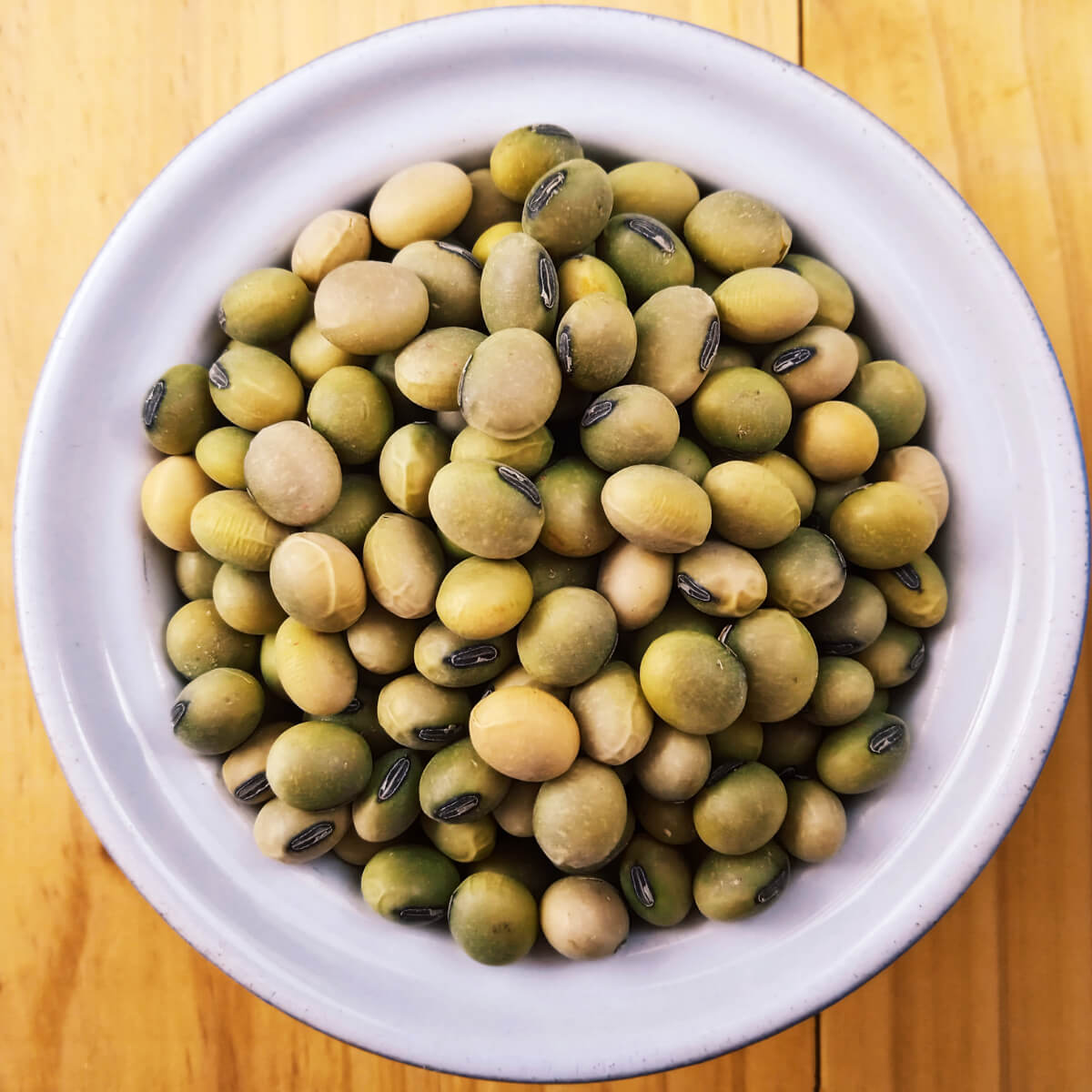
Edamame (pronounced eh-dah-MAH-may) are simply soybeans harvested young, while still green and sweet. Think of them as the teenager version of mature soybeans—tender, slightly sweet, and packed with youthful vitality. Unlike their fully mature counterparts that get processed into tofu, tempeh, or soy milk, edamame are enjoyed whole, usually steamed or boiled in their pods and lightly salted.
What sets our edamame apart: We source exclusively non-GMO varieties, ensuring you get nature’s original nutrition without genetic modification. This matters for people who prefer foods as close to their natural state as possible, without laboratory interventions.
Why Nutritionists Can’t Stop Talking About Edamame
Let’s cut through the health food hype and look at what edamame actually delivers:
Complete Protein in a Plant Package
In addition to being a decent source of soy protein, edamame actually provides complete protein—meaning it contains all nine essential amino acids your body can’t produce on its own. This is rare in the plant kingdom. Most plant proteins need to be combined with others throughout the day to provide complete nutrition, but edamame stands alone.
One cup of shelled edamame delivers approximately 17 grams of protein. That’s comparable to eating 2-3 eggs or a small chicken breast, minus the cholesterol and saturated fat. For athletes, vegetarians, or anyone trying to increase protein intake without relying solely on meat, this is genuinely significant.
The Fiber Factor Nobody Mentions Enough
Here’s what surprised me when I first researched edamame: the fiber content is actually more impressive than the protein. Edamame is rich in healthy fiber that serves multiple critical functions in your body.
That same one-cup serving contains about 8 grams of fiber—roughly one-third of your daily needs. This isn’t just “good for digestion” fiber (though it definitely is). This is the kind of fiber that:
- Slows sugar absorption, preventing blood sugar spikes
- Feeds beneficial gut bacteria that influence everything from immunity to mood
- Helps you feel full and satisfied longer
- Supports healthy cholesterol levels by binding to cholesterol in your digestive tract
The combination of protein and fiber makes edamame uniquely satisfying as a snack. You’re not reaching for more food 30 minutes later because your blood sugar crashed.
Antioxidants That Actually Do Something
Edamame contains antioxidants including isoflavones—plant compounds that have been studied extensively for their health benefits. These aren’t magical cure-alls, but research suggests they may offer real advantages:
Isoflavones act as gentle plant estrogens (phytoestrogens) that can interact with estrogen receptors in your body. Before you worry, this is generally beneficial—these compounds may help balance hormones, particularly for women experiencing menopausal symptoms. Studies also link soy isoflavones to improved bone density and reduced hot flash frequency.
The antioxidant activity extends beyond isoflavones. Edamame contains vitamin C, vitamin E, and various phenolic compounds that help neutralize free radicals—unstable molecules that can damage cells and contribute to aging and disease.
Vitamin K: The Unsung Hero
Vitamin K often gets overlooked in nutritional discussions, but it’s absolutely crucial. Edamame provides substantial amounts of this fat-soluble vitamin that plays starring roles in:
- Blood clotting: Vitamin K is essential for producing proteins needed for proper blood coagulation
- Bone health: It activates proteins that bind calcium to bone matrix, improving bone density
- Cardiovascular function: Emerging research suggests vitamin K helps prevent calcium from depositing in arteries
One cup of edamame provides roughly 50% of your daily vitamin K needs—significant nutrition from a simple snack.
How Edamame Protects Your Heart
The heart health connection deserves its own deep dive because this is where edamame really shines.
These plant compounds may reduce the risk of heart disease through multiple mechanisms that work together synergistically:
Cholesterol Management: The fiber in edamame binds to cholesterol in your digestive system, helping remove it before it enters your bloodstream. Meanwhile, soy protein has been shown to actively lower LDL (bad) cholesterol levels. The FDA even allows food packages to claim that soy protein may reduce heart disease risk—a rare acknowledgment of food’s medicinal properties.
Improved Blood Lipid Profile: When researchers talk about improving the blood lipid profile, a measure of fats including cholesterol and triglycerides, they’re referring to the complete picture of fats in your bloodstream. Edamame consumption has been associated with:
- Lower total cholesterol
- Reduced LDL cholesterol
- Lower triglycerides
- Sometimes increased HDL (good) cholesterol
Blood Pressure Benefits: The potassium in edamame helps counteract sodium’s effects, supporting healthy blood pressure. The magnesium content also contributes to blood vessel relaxation and cardiovascular function.
Anti-Inflammatory Effects: Chronic inflammation damages arteries and contributes to heart disease. The antioxidants and omega-3 fatty acids in edamame help reduce this inflammatory burden.
How Should You Actually Eat Edamame?
The beauty of edamame lies in its simplicity. You don’t need complex recipes or cooking skills:
Classic Preparation (Takes 5 Minutes):
- Bring salted water to a boil
- Add frozen or fresh edamame pods
- Boil 4-5 minutes until tender
- Drain and sprinkle with coarse sea salt
- Eat by squeezing beans from pods into your mouth
Pro Tips for Better Flavor:
- Toast sesame oil with garlic, toss with hot edamame
- Sprinkle with chili flakes and lime zest for spicy-citrus kick
- Try everything bagel seasoning for addictive results
- Drizzle with truffle oil for restaurant-quality elegance
Beyond the Pod: Shelled Edamame Uses
- Toss into salads for protein boost
- Add to grain bowls for texture and nutrition
- Blend into hummus for unique twist
- Stir into fried rice during last minute of cooking
- Top pasta dishes for extra substance
- Mix into guacamole for added protein
Is Edamame Safe for Everyone?
Most people tolerate edamame beautifully, but a few considerations matter:
Soy Allergies: Obviously, anyone allergic to soy should avoid edamame completely. Soy is one of the major food allergens, so always check with guests before serving.
Thyroid Concerns: There’s outdated information suggesting soy harms thyroid function. Current research shows that moderate soy consumption is safe for most people, including those with thyroid conditions, as long as they’re getting adequate iodine. If you have thyroid disease, discuss soy intake with your healthcare provider.
Digestive Sensitivity: Some people experience gas or bloating from legumes, including edamame. Start with smaller portions to assess your tolerance.
Medication Interactions: Because of vitamin K content, people taking blood thinners like warfarin should maintain consistent edamame intake rather than eating large amounts sporadically.
Fresh vs. Frozen: What’s Better?
Unless you live near soybean farms, you’re almost certainly buying frozen edamame—and that’s completely fine! Edamame is typically flash-frozen shortly after harvest, which locks in nutrients and flavor.
Frozen edamame often surpasses “fresh” options that have traveled long distances and sat in storage. The convenience factor can’t be beat either—keep bags in your freezer and you always have a healthy snack or meal component ready in minutes.
Finding Premium Non-GMO Edamame
Quality matters when choosing edamame. Look for bright green color (dullness suggests age), firm pods without ice crystals (indicates proper storage), and clear non-GMO labeling if that’s important to you.
At Blue Compost Investments, we prioritize sourcing premium non-GMO edamame that meets strict quality standards. Our edamame delivers the tender texture, sweet flavor, and nutritional benefits you expect from this remarkable legume. Discover our complete collection of healthy legumes and nutritious foods and experience the difference that quality sourcing makes.
Ready to make edamame part of your healthy eating routine? According to Harvard T.H. Chan School of Public Health, moderate soy consumption, including whole soy foods like edamame, is safe and may offer health benefits for most people. The key is choosing minimally processed forms like edamame rather than highly processed soy products.
Order premium non-GMO edamame today and discover why this simple green bean has captured the attention of nutritionists, chefs, and health enthusiasts worldwide. Your heart—and taste buds—will thank you.






Blue Compost Investments –
Hello