



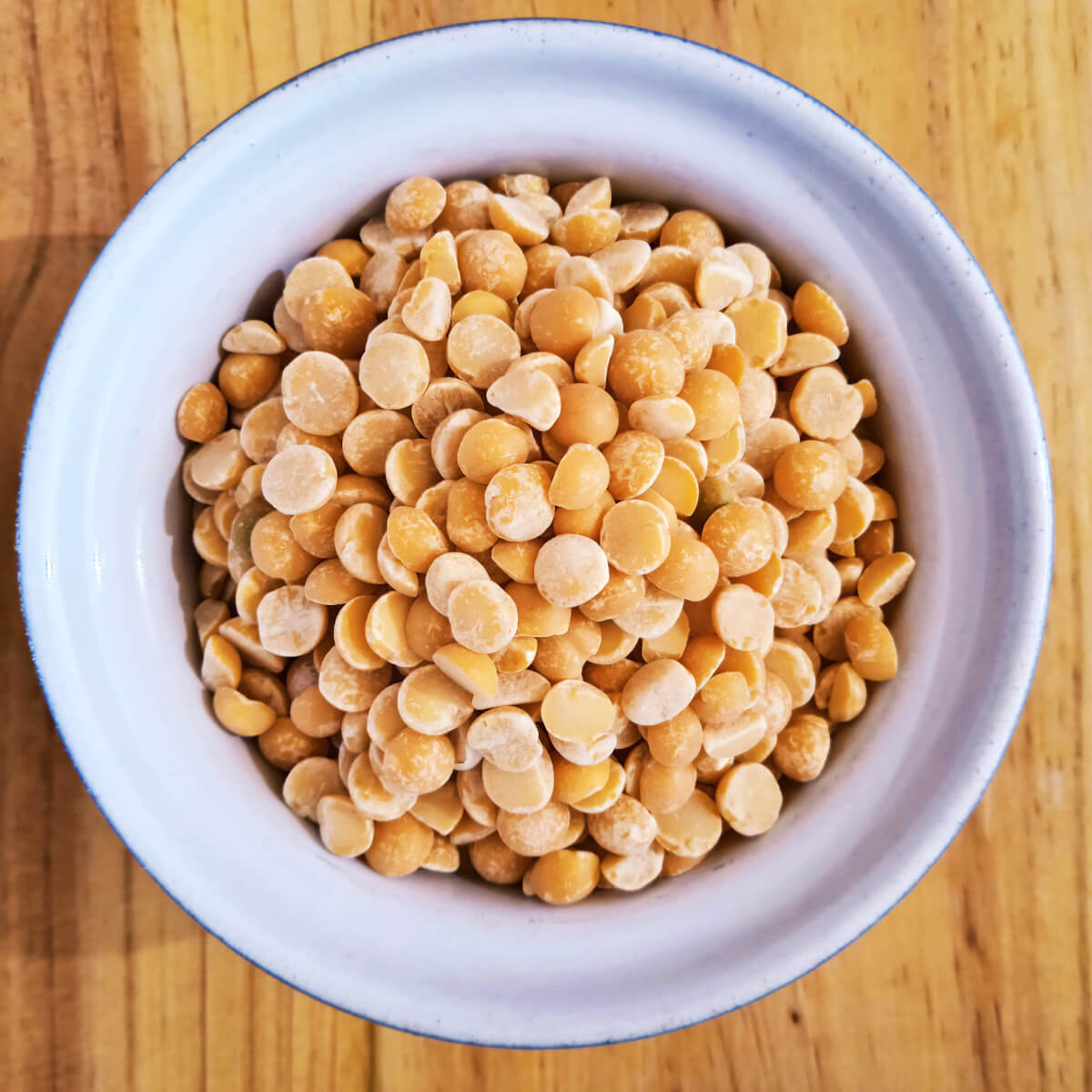
Yellow Split Peas
Yellow split peas are nutrient-dense legumes rich in B vitamins essential for energy metabolism and cellular growth.
Packed with thiamin, pantothenic acid, and folate supporting fat breakdown, protein metabolism, and DNA formation.
Contains molybdenum, a crucial trace mineral for detoxifying chemical toxins and sulfite preservatives in the body.
Excellent plant-based protein source ideal for soups, stews, dals, and various international cuisine preparations.
Affordable, sustainable, and versatile ingredient providing complete nutrition for vegetarian and vegan diets worldwide.

Free Shipping
We’re taking the extra cost out of your cart. Enjoy Free Standard Shipping on every order – no minimum purchase, no coupon code needed. Just the products you love, delivered right to your door for the price you see.

Products Guaranty
At Blue Compost Investments, we stand behind every product we deliver. Our Products Guaranty ensures that you receive only high-quality, reliable items or we make it right.
Understanding Yellow Split Peas and Their Nutritional Significance
Yellow split peas represent one of nature’s most nutritionally complete and economically accessible food sources, offering an impressive array of vitamins, minerals, protein, and dietary fiber that support comprehensive human health. These humble legumes, derived from field peas (Pisum sativum) that have been dried and split along their natural seam, have sustained human populations for thousands of years across diverse cultures and culinary traditions. The distinctive yellow color and mild, slightly sweet flavor of split peas make them remarkably versatile in kitchen applications, while their exceptional nutritional profile positions them as a cornerstone ingredient for health-conscious consumers, vegetarian and vegan diets, and sustainable food systems.
The growing recognition of plant-based protein sources and the increasing consumer demand for nutritious, affordable, and environmentally sustainable foods have elevated yellow split peas from humble staple to celebrated superfood. These legumes require minimal processing, maintain excellent nutritional value during storage, and provide outstanding value for money compared to many alternative protein sources. Whether purchased from bulk suppliers for commercial food service operations or home cooking enthusiasts, yellow split peas deliver consistent quality and nutrition that supports diverse dietary needs and culinary applications.
Comprehensive B Vitamin Profile and Health Benefits
Thiamin (Vitamin B1): Energy Metabolism and Neurological Function
Yellow split peas provide substantial quantities of thiamin, also known as vitamin B1, an essential water-soluble vitamin that plays critical roles in energy metabolism throughout the body. Thiamin functions as a coenzyme in several key metabolic pathways, particularly those involved in carbohydrate metabolism, helping convert dietary carbohydrates into usable energy that fuels cellular activities. Without adequate thiamin intake, the body struggles to efficiently extract energy from food, potentially leading to fatigue, reduced physical performance, and impaired cognitive function.
Beyond energy metabolism, thiamin supports healthy growth and development, making it particularly important for children, adolescents, and pregnant women. The vitamin contributes to proper nerve function, supporting the transmission of electrical signals throughout the nervous system. Adequate thiamin intake helps maintain healthy nervous system function, supports cardiovascular health, and may play protective roles against certain neurological conditions. For individuals following plant-based diets, yellow split peas represent an excellent thiamin source that helps ensure adequate intake of this essential nutrient.
Pantothenic Acid (Vitamin B5): Fat Metabolism and Hormone Synthesis
Pantothenic acid, designated as vitamin B5, represents another crucial B vitamin abundant in yellow split peas. This vitamin plays indispensable roles in breaking down fats and metabolizing other macronutrients, functioning as a component of coenzyme A, which participates in more than 70 enzymatic pathways throughout the body. The fat metabolism functions of pantothenic acid prove particularly important for maintaining healthy cholesterol levels, supporting cell membrane integrity, and enabling the body to efficiently utilize dietary fats for energy production and nutrient absorption.
Additionally, pantothenic acid contributes to the synthesis of steroid hormones, neurotransmitters, and other vital biochemical compounds. The vitamin supports adrenal gland function, aids in wound healing, and helps maintain healthy skin and hair. The presence of pantothenic acid in yellow split peas enhances their value as a comprehensive nutritional food, providing vitamins that support not just energy production but also numerous regulatory and maintenance functions throughout the body.
Folate (Vitamin B9): DNA Formation and Protein Metabolism
Folate, also known as vitamin B9 or folic acid in its synthetic form, stands as perhaps the most critical B vitamin found in yellow split peas, particularly for specific population groups. Folate plays essential roles in protein metabolism, helping the body properly utilize amino acids from dietary protein sources. More importantly, folate proves absolutely crucial for DNA formation and cell division, making adequate intake essential during periods of rapid growth and cell production.
Pregnant women require substantially elevated folate intake to support fetal neural tube development and prevent serious birth defects. The folate content in yellow split peas makes them an excellent dietary choice for women of childbearing age and pregnant women seeking natural food sources of this critical nutrient. Beyond pregnancy, folate supports cardiovascular health by helping metabolize homocysteine, an amino acid that at elevated levels may increase cardiovascular disease risk. Adequate folate intake also supports mental health, cognitive function, and red blood cell formation.
Molybdenum: Essential Trace Mineral for Detoxification
Metabolizing Drugs and Chemical Toxins
Yellow split peas provide significant quantities of molybdenum, a trace mineral that despite being required in minute amounts proves essential for human health and wellbeing. Molybdenum functions as a cofactor for several important enzymes involved in metabolizing various substances the body encounters, including prescription medications, over-the-counter drugs, and chemical compounds from environmental exposures. The enzymes that depend on molybdenum help break down purines (components of DNA and RNA), sulfites, and other compounds that require processing before elimination from the body.
The ability to effectively metabolize drugs holds obvious importance for individuals taking medications, ensuring therapeutic compounds are properly processed and eliminated according to expected timelines. This metabolic capacity prevents excessive drug accumulation while allowing medications to exert their intended effects. Similarly, molybdenum-dependent enzymes help the body handle naturally occurring compounds and environmental chemicals that require detoxification pathways for safe processing and excretion.
Sulfite Preservative Detoxification
Of particular relevance in modern food systems, molybdenum enables the body to effectively detoxify sulfite preservatives commonly added to various processed foods, dried fruits, wines, and other products to prevent spoilage and maintain color. Some individuals demonstrate sensitivity to sulfites, experiencing adverse reactions when consuming sulfite-containing foods. Adequate molybdenum status supports the enzyme sulfite oxidase, which converts potentially problematic sulfites into safer sulfate forms that can be readily eliminated. For individuals who regularly consume foods containing sulfite preservatives or who have demonstrated sulfite sensitivity, ensuring adequate molybdenum intake through foods like yellow split peas supports the body’s natural detoxification capacity.
Additional Nutritional Benefits and Health Advantages
High-Quality Plant-Based Protein
Beyond their impressive vitamin and mineral profile, yellow split peas deliver substantial quantities of plant-based protein, typically providing 15-16 grams of protein per cooked cup. This protein content makes split peas valuable for vegetarians, vegans, and anyone seeking to reduce animal protein consumption while maintaining adequate protein intake. The protein in split peas contains all essential amino acids, though like most plant proteins, it shows lower concentrations of certain amino acids compared to animal proteins. Combining split peas with whole grains creates complementary protein partnerships that provide complete amino acid profiles rivaling animal protein sources.
The high protein content of yellow split peas supports muscle maintenance and development, promotes satiety and appetite control, contributes to healthy immune function, and provides building blocks for enzymes, hormones, and other vital body proteins. Athletes, active individuals, and anyone with elevated protein requirements can incorporate split peas into diverse dishes to boost daily protein intake without relying exclusively on animal sources.
Dietary Fiber for Digestive and Metabolic Health
Yellow split peas rank among the highest fiber foods available, delivering approximately 16 grams of dietary fiber per cooked cup. This exceptional fiber content includes both soluble and insoluble fiber types, each offering distinct health benefits. Soluble fiber dissolves in water, forming gel-like substances that slow digestion, moderate blood sugar responses, and help lower cholesterol levels by binding bile acids. Insoluble fiber adds bulk to stool, promotes regular bowel movements, prevents constipation, and may reduce colon cancer risk.
The combination of high protein and high fiber makes yellow split peas remarkably satisfying, helping control appetite and support healthy body weight management. The fiber content also supports beneficial gut bacteria populations, contributing to overall digestive health and potentially influencing immune function, mental health, and metabolic regulation through the gut-brain axis and gut-immune connections.
Culinary Applications and Preparation Methods
Traditional and International Cuisine Uses
Yellow split peas feature prominently in traditional cuisines worldwide, from hearty split pea soups cherished in Northern European and North American cooking to vibrant Indian dals spiced with turmeric, cumin, and other aromatic seasonings. The Middle Eastern culinary tradition incorporates split peas into diverse preparations including stews, porridges, and purées served with flatbreads. Caribbean cuisine embraces split pea dishes often enriched with coconut milk, scotch bonnet peppers, and aromatic herbs.
The mild flavor and creamy texture of cooked yellow split peas make them remarkably adaptable to various flavor profiles and cooking styles. They absorb surrounding flavors beautifully while contributing their own subtle sweetness and earthy undertones. This versatility allows split peas to shine in applications ranging from simple, rustic preparations showcasing basic ingredients to complex, elaborately spiced dishes representing sophisticated culinary traditions.
Cooking Methods and Recipe Ideas
Preparing yellow split peas requires no pre-soaking unlike many dried legumes, making them convenient for spontaneous cooking. Simply rinse the split peas, combine with water or broth in a 1:3 ratio, and simmer for 30-45 minutes until tender. The peas naturally break down during cooking, creating creamy, thick consistencies ideal for soups and stews without requiring additional thickeners.
Creative cooks incorporate split peas into vegetarian burgers, falafel-style fritters, hearty casseroles, and grain bowls. Blended cooked split peas create nutritious spreads similar to hummus, providing protein-rich alternatives to traditional bean-based dips. Split pea flour, produced by grinding dried split peas, offers gluten-free, protein-rich flour alternatives for baking applications and flatbread preparation.
Storage, Sourcing, and Quality Considerations
Selecting High-Quality Split Peas
Quality yellow split peas display uniform bright yellow color without excessive variation, discoloration, or dullness that might suggest age or improper storage. The split peas should appear clean, free from debris, stones, or damaged peas. Purchasing from reputable suppliers ensures consistent quality and proper handling throughout the supply chain.
Both conventional and organic yellow split peas are widely available, with organic options appealing to consumers prioritizing pesticide-free foods and sustainable agricultural practices. Bulk purchasing often provides cost advantages for frequent users while reducing packaging waste associated with smaller retail packages.
Proper Storage for Maximum Shelf Life
Dried yellow split peas maintain excellent quality during extended storage when kept in cool, dry conditions protected from moisture, light, and pests. Stored in airtight containers in pantries or cupboards, split peas typically remain fresh for 2-3 years, though they may require longer cooking times as they age. Inspect stored split peas periodically for signs of moisture, pest activity, or off odors that might indicate quality deterioration.
Sustainability and Environmental Benefits
Yellow split peas represent environmentally sustainable food choices, requiring relatively modest water and fertilizer inputs compared to animal protein sources. As legumes, split peas fix atmospheric nitrogen through symbiotic relationships with soil bacteria, reducing synthetic fertilizer requirements and improving soil health. The carbon footprint of producing split peas remains substantially lower than that of meat production, making split peas attractive options for environmentally conscious consumers seeking to reduce their dietary environmental impact.
You must be logged in to post a review.


Reviews
Clear filtersThere are no reviews yet.