
No products in the cart.
Return To Shop
No products in the cart.
Return To Shop
No products in the cart.
Return To Shop
No products in the cart.
Return To ShopAvailable in store

Available in store
Available in store
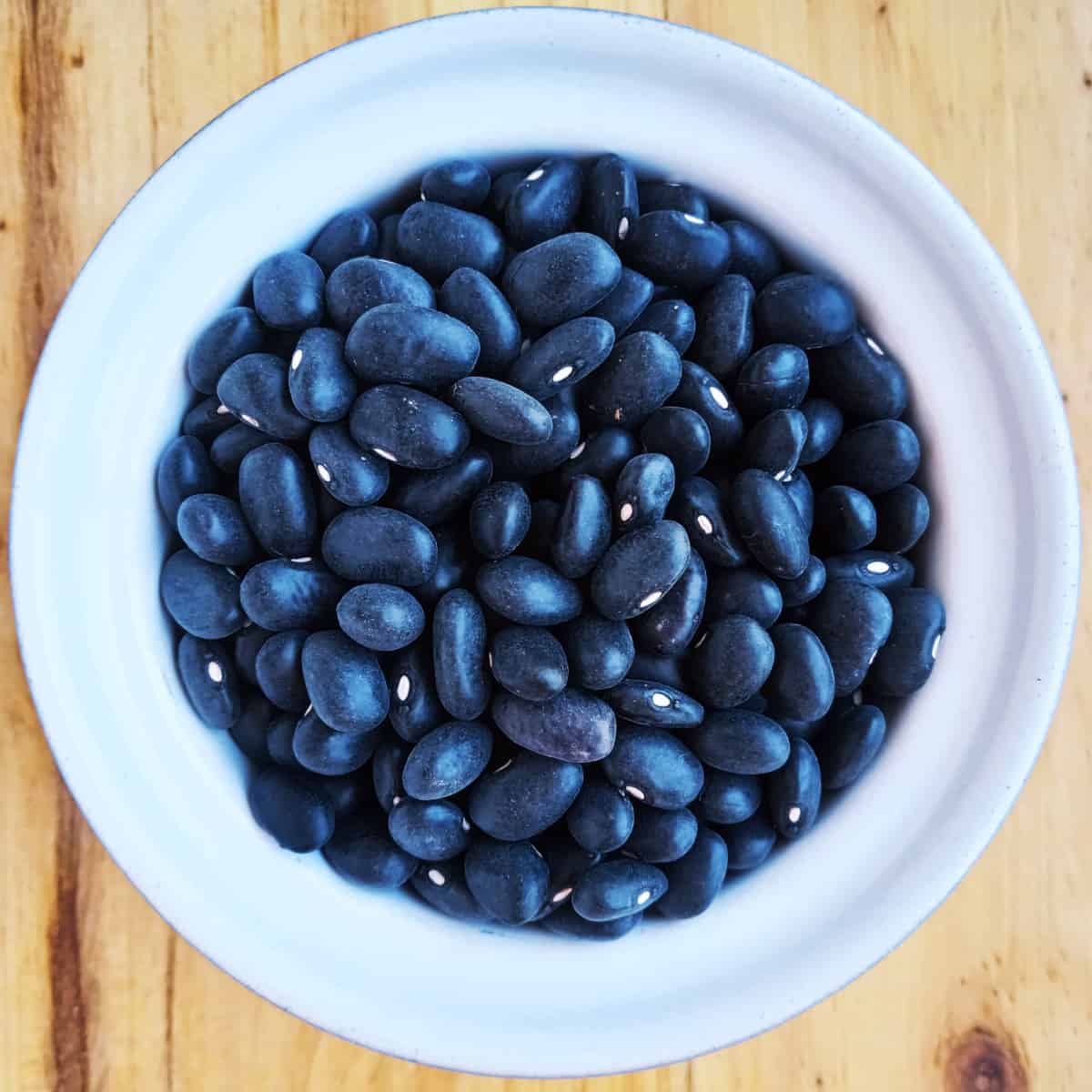
Black beans are dense, glossy legumes with rich, earthy flavor that anchors Latin American cuisine.
These nutrient-dense powerhouses provide exceptional protein, fiber, and antioxidants in every serving.
Their velvety texture when cooked makes them perfect for refried beans, soups, and burrito fillings.
Naturally creamy consistency eliminates the need for dairy while delivering satisfying substance.
From Cuban black bean soup to Mexican frijoles, these beans define comfort food across cultures.
Pay in 4 interest-free installments for orders over $2500 with BCI
 Black Beans
Available in store
The Midnight-Dark Bean That Launched a Thousand Recipes
Hold a black bean up to the light and you’ll see it’s not truly black—more like deep, glossy purple that catches light like polished obsidian. This distinctive appearance hints at what’s inside: one of the most antioxidant-rich legumes you can eat, packed with compounds that give the beans their dramatic color and powerful health benefits.
Latin American and Caribbean cuisines built entire food traditions around black beans. Walk through Miami’s Little Havana, Mexico City’s markets, or Brazilian favelas and you’ll smell black beans simmering in massive pots, their earthy aroma promising satisfaction. These aren’t just ingredients—they’re culinary foundations that turn simple rice into complete meals and transform ordinary tacos into extraordinary experiences.
“Earthy” gets thrown around describing black beans, but what does that actually mean? These legumes possess a mineral-rich, almost mushroom-like depth that’s simultaneously subtle and profound. Unlike the mild neutrality of white beans or the slight sweetness of pintos, black beans announce themselves with character.
The texture evolution tells its own story. Raw, they’re rock-hard pebbles that seem impossible to eat. After soaking and cooking, they transform into tender morsels with creamy interiors and thin, nearly imperceptible skins. Mash them and they become luxuriously smooth without needing any dairy—that natural creaminess is pure bean magic.
Flavor compounds worth understanding:
The dark pigmentation comes from anthocyanins—the same antioxidant compounds that make blueberries blue and red cabbage red. These contribute subtle astringency and complexity beyond simple starch flavor. When you cook black beans with aromatics like onions, garlic, and cumin, they absorb and amplify those flavors while maintaining their own earthy foundation.
Chefs talk about “mouthfeel” and black beans deliver it superbly. That velvety, almost silky texture comes from starches that gelatinize during cooking, creating natural thickness without any additives. This is why black bean soup can be intensely satisfying without cream, and why refried black beans spread smoothly without butter.
The skins practically dissolve during proper cooking, unlike some beans with tough hulls that remain chewy. This makes black beans particularly pleasant to eat—no surprising textural interruptions, just consistent creaminess.
Every cup of cooked black beans contains approximately:
But the real nutritional story lies in what those numbers don’t immediately reveal.
Those deep purple-black pigments signal serious antioxidant content. Black beans contain three times the antioxidants of other common bean varieties. These compounds help neutralize free radicals—unstable molecules that damage cells and contribute to aging and disease.
Research suggests anthocyanins specifically support cardiovascular health, may help regulate blood sugar, and could reduce inflammation throughout the body. You’re not just eating protein and fiber—you’re consuming functional compounds that actively support health.
One cup of black beans provides roughly 64% of your daily folate requirement. This B-vitamin is crucial for:
Folate deficiency causes serious problems including anemia, birth defects, and elevated cardiovascular risk. Black beans provide insurance against deficiency while tasting delicious.
Black beans contain substantial resistant starch—carbohydrates that resist digestion in your small intestine and instead feed beneficial bacteria in your colon. This fermentation produces short-chain fatty acids that:
You’re essentially feeding your microbiome every time you eat black beans, supporting the trillions of bacteria that influence everything from immunity to mood.
Iron: About 20% of daily needs per cup. Plant-based iron requires vitamin C for optimal absorption, which is why traditional preparations pairing black beans with tomatoes, peppers, or lime are nutritionally brilliant.
Magnesium: Approximately 30% of daily requirements. This mineral supports hundreds of enzymatic reactions, including energy production, muscle function, and bone health.
Zinc: Important for immune function, wound healing, and DNA synthesis. Black beans provide meaningful amounts that contribute to meeting daily needs.
Classic Cuban preparation simmers black beans with sofrito (sautéed onions, peppers, garlic), bay leaves, oregano, and cumin until thick and rich. The cooking liquid reduces into concentrated, flavorful sauce that’s spooned over white rice. This combination—arroz y frijoles—is Cuba’s national dish, eaten daily across all economic classes.
Some versions add a splash of vinegar near the end, cutting richness with acid. Others incorporate small amounts of pork (salt pork, bacon, or ham) for savory depth. Vegetarian versions skip meat but maintain complex flavor through generous aromatics and spices.
Frijoles de la olla (beans from the pot): The simplest preparation—black beans simmered with onion, garlic, and epazote (a distinctive herb that reduces gas and adds unique flavor). These serve as foundation for countless dishes.
Frijoles refritos (refried beans): Despite the name, they’re typically fried once, not twice. Cooked beans get mashed and fried in lard or oil with onions until creamy and spreadable. Modern versions use vegetable oil or skip added fat entirely, relying on the beans’ natural creaminess.
Black bean tamales: Masa dough studded with black beans and chiles, wrapped in corn husks and steamed. The beans add protein and moisture to the corn-based dough.
Brazil’s national dish combines black beans with various pork cuts (traditionally less desirable pieces transformed through slow cooking), simmered for hours until everything melds into rich, complex stew. Served with rice, collard greens, orange slices (to cut richness), and farofa (toasted cassava flour), feijoada represents celebration food—time-intensive preparation meant for weekend gatherings and special occasions.
Modern interpretations lighten the dish, using fewer meats or substituting smoked tofu and mushrooms for vegetarian versions. The black beans remain constant—the soul of the dish.
Burrito bowls: Black beans anchor grain bowls layered with rice, vegetables, salsa, avocado, and whatever else sounds good. Their protein and fiber turn bowls from side dishes into complete meals.
Black bean burgers: Mashed black beans mixed with breadcrumbs, spices, and binders create veggie burgers with excellent texture and structural integrity. Unlike some bean burgers that fall apart, black bean versions hold together beautifully.
Brownies and baked goods: Yes, really. Puréed black beans replace flour in gluten-free brownies, adding moisture, protein, and fudgy texture. The beans’ mild flavor disappears behind chocolate, creating surprisingly delicious results that happen to be nutrient-dense.
Breakfast scrambles: Black beans added to scrambled eggs or tofu scrambles boost protein while adding substance. Common in Latin American breakfasts, this combination sustains energy through busy mornings.
Dips and spreads: Black bean hummus (substituting black beans for chickpeas) creates darker, earthier versions of the Middle Eastern classic. Black bean dips with cumin, lime, and cilantro make excellent party appetizers.
Black beans benefit from 8-12 hour soaking in cool water. This reduces cooking time by roughly 30%, improves digestibility, and helps beans cook more evenly. However, if you forgot to soak, don’t panic—black beans cook fine without it, just budget extra time.
Quick soak alternative: Boil beans 2-3 minutes, remove from heat, cover, let sit one hour. Drain, proceed with recipe. This achieves 70-80% of overnight soaking benefits in fraction of the time.
After soaking (or not), add black beans to pot with fresh water (3 cups water per 1 cup beans). Bring to boil, reduce to gentle simmer, cook 60-90 minutes until tender. Cooking time varies based on bean age and whether you soaked them.
Critical timing note: Add salt and acidic ingredients (tomatoes, vinegar, citrus) only after beans have softened. Earlier addition can toughen skins and extend cooking time significantly.
Soaked beans: 8-12 minutes at high pressure, 10-minute natural release Unsoaked beans: 25-30 minutes at high pressure, 15-minute natural release
Pressure cooking produces consistently tender beans with minimal hands-on time. The high-pressure environment breaks down starches efficiently, creating that creamy texture black beans are known for.
Combine beans, liquid (4 cups per 1 cup beans), and aromatics. Cook on low 8-10 hours or high 4-5 hours. This hands-off method works perfectly for overnight cooking or all-day simmering while you’re at work.
Slow cooker consideration: Some models run hot, others cool. Check beans at minimum time first; you can always cook longer but can’t undo mushiness.
Dried black beans: Store in airtight containers away from light and moisture. They’ll remain edible for years, though cooking time gradually increases. For best results, use within 18 months of purchase.
Cooked beans: Refrigerate in covered containers with some cooking liquid for up to one week. The liquid prevents drying and adds flavor to whatever dish you’re making.
Freezing strategy: Portion cooked beans into 2-cup containers or freezer bags (roughly equivalent to one can). Freeze flat for space-efficient storage. Frozen beans keep 4-6 months and thaw quickly in the microwave or under cool water.
Cooking liquid gold: Don’t discard that dark, flavorful liquid beans cooked in. It’s concentrated bean essence perfect for thinning refried beans, adding to soups, or using as savory cooking liquid for rice.
Why do my beans stay hard? Old beans, hard water, or adding salt/acid too early. Try pressure cooking or add pinch of baking soda to cooking water.
How do I reduce gas? Discard soaking water, rinse thoroughly, cook with kombu seaweed or epazote, start with smaller portions to let digestive system adjust.
Can I substitute canned for dried? Absolutely. One 15-ounce can equals roughly 1.5 cups cooked beans. Rinse canned beans thoroughly to remove excess sodium.
Do black beans cause staining? The dark cooking liquid can stain light fabrics and some plastics. Rinse immediately if spilled; don’t let it dry.
Bean quality affects cooking time, texture, and flavor. Fresh-crop beans cook faster and more evenly than beans that sat in storage for years. Clean beans without debris indicate proper processing and handling.
Premium suppliers maintain proper storage conditions and regular inventory turnover, ensuring beans you buy haven’t been sitting in warehouses losing moisture and quality. When recipes matter and consistency counts, ingredient sourcing makes tangible differences. Quality legume selections from reliable sources ensure your cooking succeeds.
Research published in Nutrients Journal confirms that regular bean consumption, including black beans, associates with improved cardiovascular health markers, better weight management, and reduced diabetes risk. The combination of protein, fiber, resistant starch, and antioxidants creates synergistic health benefits that extend beyond individual nutrients.
Stock your pantry with premium black beans and discover why these dark, glossy legumes have sustained generations across continents. Explore offerings from trusted suppliers who understand that great cooking starts with great ingredients.
You must be logged in to post a review.
Blue Compost Investments Fertilizer works with Farmer Associations, Corporate Farms, NPK Blenders, NGO/development partners and State Governments all over South Africa.
Subscribe us and get latest news.
* Don’t worry, we don’t spam.
Copyright © 2025 Blue Compost Investments | Rustenburg, SA
Social Chat is free, download and try it now here!
Blue Compost Investments –
Hello