
No products in the cart.
Return To Shop
No products in the cart.
Return To Shop
No products in the cart.
Return To Shop
No products in the cart.
Return To ShopAvailable in store

Available in store
Available in store
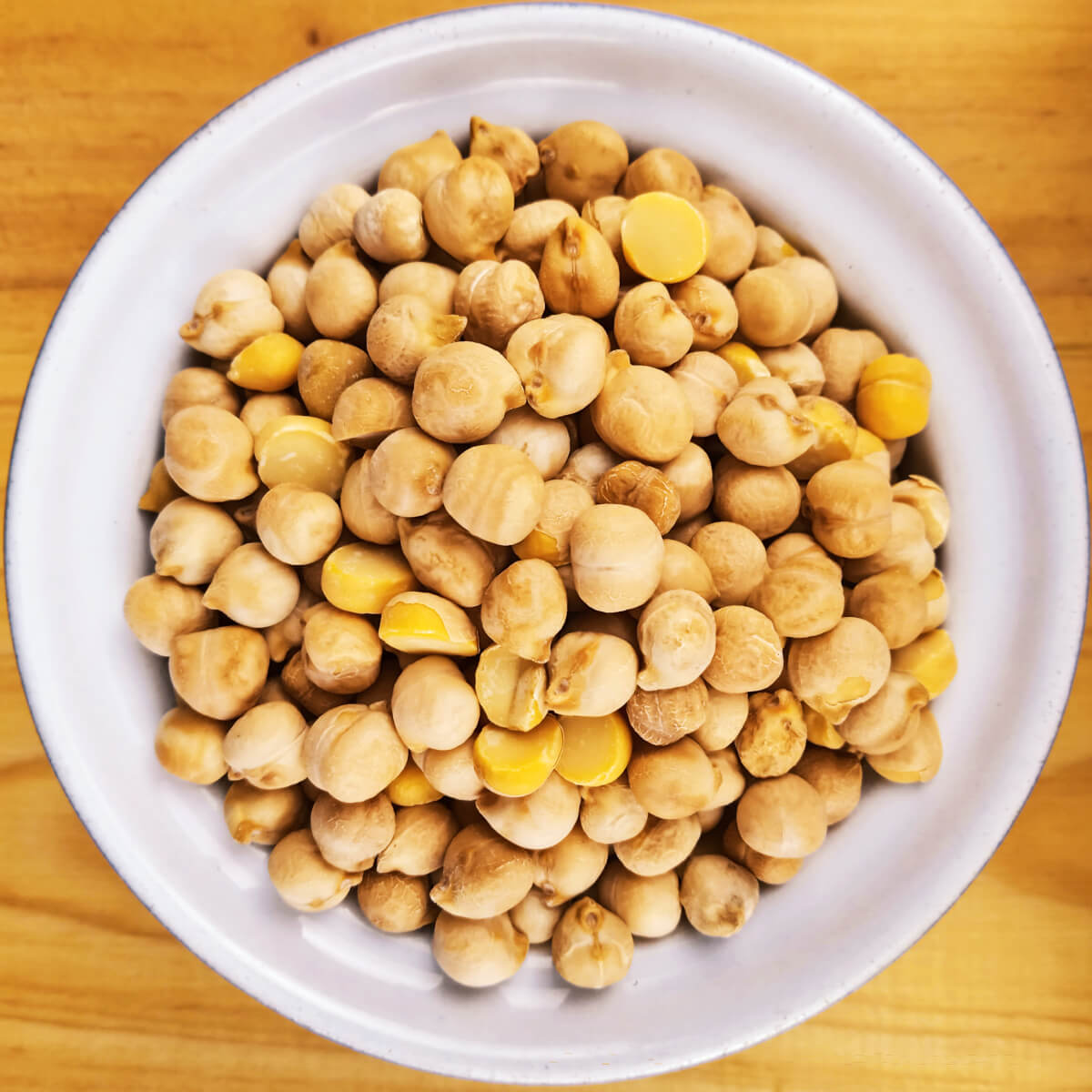
Chickpea splits and small chickpeas offer quick-cooking convenience with all the nutrition of whole chickpeas.
Split chickpeas (chana dal) cook faster and create creamy, golden preparations perfect for Indian cuisine.
Small whole chickpeas deliver concentrated flavor and tender texture ideal for salads, stews, and roasting.
Both varieties provide exceptional protein, fiber, and essential minerals for plant-based nutrition.
Versatile ingredients that save time in the kitchen while delivering authentic taste and superior nutrition.
Pay in 4 interest-free installments for orders over $2500 with BCI
 Chickpea Splits and or Small C...
Available in store
Two Forms, Endless Possibilities: Your Guide to Chickpea Varieties
Most people know chickpeas as those round, beige legumes that get blended into hummus or tossed into salads. But walk into any Indian grocery store or well-stocked market, and you’ll discover a whole world of chickpea varieties that open up completely different culinary possibilities.
Today we’re focusing on two game-changers: chickpea splits (also called chana dal) and small chickpeas (sometimes labeled as desi chickpeas or kala chana). Both deserve prime real estate in your pantry, and here’s why.
Imagine taking a whole chickpea, removing its outer skin, and splitting it perfectly in half. That’s chana dal—the split, skinned version of Bengal gram chickpeas. These golden-yellow halves look similar to yellow split peas but taste distinctly nuttier and sweeter.
The splitting process isn’t just aesthetic. It fundamentally changes how these legumes cook and what textures they create. Without their outer hull, split chickpeas absorb water faster, cook more quickly, and break down into creamy, luscious preparations that whole chickpeas never quite achieve.
Why chefs love chickpea splits:
In Indian cuisine, chana dal isn’t optional—it’s foundational. These golden splits appear in:
Dal preparations: The namesake dish where split chickpeas simmer with turmeric, tomatoes, and aromatic spices until creamy and comforting. This isn’t soupy like some dals; chana dal has substance and body that makes it satisfying alongside rice or bread.
Tadka/Tempering: Fried split chickpeas add crunch and nutty depth to finished dishes. They’re toasted in ghee or oil with mustard seeds and curry leaves, then poured over everything from yogurt rice to vegetable curries.
Snacks and sweets: Ground into flour for pancakes (pudla), roasted as crunchy snacks, or cooked down with jaggery for traditional desserts like chana dal halwa.
Spice blends: Roasted and ground chickpea splits add body and flavor to homemade spice mixes.
While most Western markets sell kabuli chickpeas (the large, cream-colored variety), small chickpeas—properly called desi chickpeas—are what most of the world actually eats. They’re smaller, darker, and significantly more flavorful than their larger cousins.
Small chickpea characteristics:
These aren’t just “baby” chickpeas. They’re a completely different variety that’s been cultivated for thousands of years, particularly across India, Ethiopia, and the Mediterranean.
Roasting: Small chickpeas roast up crunchier and more evenly than large ones. Toss them with olive oil and spices, roast until crispy, and you’ve got addictive, protein-packed snacks.
Curries and stews: Their firm texture means they won’t turn mushy even after extended simmering. This makes them perfect for slow-cooked curries where large chickpeas might disintegrate.
Salads: The smaller size means better proportion in mixed salads. Each forkful gets chickpeas rather than having to spear large individual beans.
Traditional recipes: Many authentic Middle Eastern, Indian, and African recipes specifically call for small chickpeas because the flavor and texture are distinctly different.
Both chickpea splits and small whole chickpeas deliver impressive nutrition, though with slight differences worth understanding.
Chickpeas provide roughly 15 grams of protein per cooked cup. This applies to both splits and small whole varieties, though the concentration differs slightly. The protein in chickpeas is incomplete (lacking some essential amino acids), but combining them with grains like rice creates complete protein nutrition.
For plant-based eaters, chickpeas offer lysine—an amino acid often limited in grains—while grains provide the methionine that chickpeas lack. This is why rice and dal, hummus and pita, or chickpea curry and naan work so beautifully together. Ancient food pairings turn out to be nutritionally brilliant.
Here’s where small whole chickpeas edge ahead: they contain more fiber than splits because they retain their outer hull. That fiber does serious work:
Chickpea splits still provide substantial fiber (around 12 grams per cooked cup), just slightly less than whole varieties. Both are excellent choices for fiber intake.
Both forms excel at delivering essential minerals:
Iron: Critical for energy, oxygen transport, and preventing anemia. Plant-based iron is absorbed better when consumed with vitamin C, so pair chickpeas with tomatoes, peppers, or citrus.
Folate: Especially important during pregnancy for fetal development. One cup provides nearly your entire daily folate requirement.
Magnesium: Supports hundreds of biochemical reactions, including energy production, muscle function, and bone health.
Phosphorus and potassium: Work together supporting bone health, kidney function, and electrolyte balance.
Manganese and zinc: Support immune function, wound healing, and antioxidant defenses.
Basic Stovetop Method:
Pressure Cooker Fast Track:
Flavor Building Techniques:
Traditional Long Soak:
Quick Soak Method:
Pressure Cooking:
Roasting for Snacks:
Dried chickpeas and splits: Store in airtight containers in cool, dry places. They’ll last 1-2 years easily, though cooking time increases as they age. Buy from sources with good turnover for freshest product.
Cooked chickpeas: Refrigerate up to 5 days in covered containers. The cooking liquid (aquafaba) is valuable too—use it as egg white substitute in baking or make vegan meringues.
Freezing: Cooked chickpeas freeze beautifully for 3-6 months. Portion into freezer bags, press out air, label with date. No need to thaw—add frozen directly to soups and stews.
For Chickpea Splits:
For Small Chickpeas:
Choose chickpea splits when:
Choose small whole chickpeas when:
Better yet? Keep both in your pantry. They’re affordable, shelf-stable, and expand your cooking possibilities exponentially.
At Blue Compost Investments, we understand that chickpea quality directly impacts your cooking results. Our chickpea splits and small chickpeas are carefully sourced, properly dried, and thoroughly cleaned to ensure consistent performance in your kitchen. Whether you’re preparing authentic Indian dal or experimenting with Mediterranean flavors, our chickpeas deliver the quality that makes recipes work.
Explore our complete range of premium pulses and legumes and discover ingredients that make healthy, delicious cooking accessible every day. From traditional preparations to modern innovations, the right ingredients make all the difference.
Want to dive deeper into chickpea nutrition? The Chickpea Council provides comprehensive information about chickpea varieties, nutritional benefits, and culinary applications. These versatile legumes have sustained civilizations for millennia—and they’re ready to elevate your modern kitchen.
You must be logged in to post a review.
Blue Compost Investments Fertilizer works with Farmer Associations, Corporate Farms, NPK Blenders, NGO/development partners and State Governments all over South Africa.
Subscribe us and get latest news.
* Don’t worry, we don’t spam.
Copyright © 2025 Blue Compost Investments | Rustenburg, SA
Social Chat is free, download and try it now here!
Reviews
There are no reviews yet.