



Compost Organic
Organic compost is fully decomposed plant and animal matter enriching soil with nutrients and beneficial microorganisms naturally.
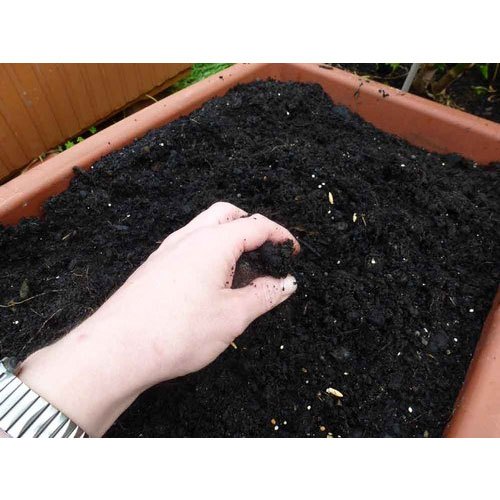
Our premium organic compost features rich dark color, pleasant earthy aroma, and crumbly texture indicating complete maturity and quality.
Blue Compost Investments organic compost contains no synthetic chemicals, synthetic additives, or harmful materials affecting plant health.
Natural organic compost supports sustainable gardening and farming while reducing chemical input dependency and waste management costs.
Quality organic compost bulk delivery provides cost-effective soil conditioning for residential gardens, commercial farms, and landscaping operations.

Free Shipping
We’re taking the extra cost out of your cart. Enjoy Free Standard Shipping on every order – no minimum purchase, no coupon code needed. Just the products you love, delivered right to your door for the price you see.

Products Guaranty
At Blue Compost Investments, we stand behind every product we deliver. Our Products Guaranty ensures that you receive only high-quality, reliable items or we make it right.
The Ultimate Guide to Premium Organic Compost for Sustainable Soil Management
Organic compost represents the foundation of sustainable gardening and agricultural practices, transforming garden waste and organic materials into nutrient-rich soil conditioners supporting vigorous plant growth. This fully decomposed organic matter delivers comprehensive nutrients, active microbial populations, and organic compounds that revitalize depleted soils while establishing living, biologically active ecosystems. Blue Compost Investments specializes in producing premium organic compost from carefully selected plant materials, food waste, and organic amendments processed through controlled decomposition systems. Our organic compost products provide optimal solutions for gardeners, farmers, landscapers, and environmental stewards seeking natural alternatives to synthetic soil amendments while building long-term soil fertility and environmental resilience.
Understanding Organic Compost Composition and Soil Benefits
Organic compost comprises fully decomposed organic materials including plant residues, kitchen waste, yard debris, and natural amendments processed through biological decomposition cycles. Quality organic compost delivers balanced nutrient profiles with nitrogen, phosphorus, potassium, and comprehensive micronutrients supporting all plant growth stages. Unlike raw manure or fresh organic amendments requiring extended soil incorporation periods, organic compost provides immediately plant-available nutrients while introducing billions of beneficial microorganisms establishing vibrant soil ecosystems.
The organic matter content of premium organic compost ranges from 40-60%, substantially higher than agricultural soils requiring enrichment. This elevated organic matter concentration transforms soil structure dramatically, improving porosity, water-holding capacity, and aeration critical for optimal root development. The humified materials present in mature organic compost create stable soil aggregates resistant to erosion and compaction, supporting sustained productivity across multiple growing seasons without requiring frequent reapplication.
Microbial Diversity and Biological Soil Health
Premium organic compost introduces exceptional microbial diversity including bacteria, fungi, protozoa, and beneficial nematodes establishing complex soil food webs. These microorganisms perform critical functions including organic matter decomposition, nutrient cycling, pathogen suppression, and plant growth promotion through various biochemical mechanisms. The enzymatic activity generated by organic compost microorganisms accelerates nutrient release and transforms bound nutrients into plant-available forms continuously throughout growing seasons.
Research demonstrates that soils amended with organic compost develop superior disease suppression capabilities, reducing pathogen pressure naturally without fungicide or pesticide applications. The beneficial fungi and bacteria in organic compost outcompete pathogens for resources, physically occupy infection sites, and produce antimicrobial compounds preventing plant disease establishment. These biological benefits compound over time, creating increasingly disease-resistant soils reducing crop losses from fungal and bacterial pathogens.
Blue Compost Investments Organic Compost Excellence Standards
Our commitment to organic compost quality extends throughout collection, processing, and quality assurance stages. Blue Compost Investments sources organic materials from certified organic operations, local food processors, and landscaping services committed to waste reduction and environmental responsibility. Our organic compost production facility maintains strict material screening protocols, removing contaminants, plastics, and non-organic materials before processing begins.
The organic compost processing methodology employs thermophilic decomposition temperatures exceeding 130°F, eliminating pathogens, weed seeds, and pest organisms while accelerating beneficial microbial colonization. Each organic compost batch undergoes extended curing periods allowing complete stabilization and development of humic substances. Comprehensive laboratory analysis verifies nutrient content, organic matter composition, microbial activity levels, and absence of contaminants ensuring consistent quality across all organic compost shipments.
Finished Organic Compost Characteristics and Quality Indicators
Premium organic compost exhibits distinctive physical and sensory characteristics indicating complete maturity and quality. The color appears dark brown to black, reflecting complete decomposition and humic substance development. The texture remains crumbly and loose, allowing easy spreading and incorporation without clumping or compaction. The aroma presents pleasant earthy characteristics without putrid or ammonia odors indicating incomplete decomposition or anaerobic conditions.
Properly finished organic compost passes the germination test, supporting vigorous seed sprouting and seedling growth without phytotoxic compounds inhibiting plant development. The carbon-to-nitrogen ratio approaches 10:1 to 15:1, indicating substantial decomposition completion and minimized nitrogen immobilization during soil incorporation. These quality indicators distinguish premium organic compost from inferior products requiring extended soil stabilization periods before plant cultivation.
Organic Compost Applications Across Gardening and Agricultural Sectors
Vegetable Gardens: Organic compost serves as primary soil amendment for vegetable gardens, providing complete nutrition supporting healthy crop growth and superior produce quality. Home gardeners achieve remarkable vegetable yields through consistent organic compost applications, dramatically reducing supplemental fertilizer requirements. For comprehensive organic gardening guidance, consult the National Gardening Association regarding sustainable practices and seasonal planting strategies.
Flower Gardens and Ornamental Landscaping: Ornamental plants thrive in organic compost-amended soils, developing robust growth, vibrant flowering, and superior aesthetic appeal. Landscape projects utilizing organic compost reduce maintenance requirements while supporting sustainable practices appealing to environmentally conscious property owners.
Lawn and Turf Establishment: Organic compost top-dressing improves lawn health without synthetic chemical inputs, establishing dense, healthy turf supporting property aesthetics and recreational functionality. Repeated organic compost applications gradually transform degraded soils into biologically active systems supporting superior grass growth.
Container and Potting Media: Premium organic compost blends into potting media, providing sustained nutrient availability and water-holding capacity supporting container plants throughout extended growing seasons. Container plants grown in organic compost-based media develop superior root systems and enhanced drought tolerance compared to synthetic potting soil alternatives.
Farm and Field Crop Production: Commercial farms utilize organic compost for soil building, particularly in organic crop operations requiring non-synthetic soil amendments. Field applications at 5-10 tons per acre provide multiple-season nutrient benefits while improving water retention and microbial activity.
Nursery and Greenhouse Operations: Professional plant nurseries incorporate organic compost amendments supporting vigorous nursery stock growth and reduced chemical input requirements. Buyer preference increasingly favors plants grown in sustainable systems, making organic compost utilization commercially advantageous.
Erosion Control and Site Restoration: Organic compost applications on degraded lands, construction sites, and eroded areas initiate ecological recovery while preventing further soil loss. The organic matter accumulation and vegetative establishment supported by organic compost stabilize marginal lands supporting ecosystem restoration objectives.
Nutrient Content and Plant Nutrition Optimization
Organic compost nutrient content varies based on source materials and processing methodology, typically delivering nitrogen ranging from 1-3%, phosphorus from 0.5-1.5%, and potassium from 0.5-2.0% on dry weight basis. The organic-bound nutrients in organic compost release gradually through microbial decomposition, providing sustained nutrient availability throughout growing seasons without nutrient leaching losses common with soluble synthetic fertilizers.
The micronutrient content of organic compost includes copper, zinc, manganese, boron, iron, and molybdenum—critical trace elements often deficient in intensively managed soils. These micronutrients support chlorophyll synthesis, enzyme function, and disease resistance mechanisms essential for optimal plant development. The balanced nutrient ratios in organic compost support comprehensive plant nutrition without creating nutrient imbalances or toxicities common with single-nutrient fertilizer applications.
Organic compost also delivers chelated forms of micronutrients, enhancing plant availability and reducing nutrient fixation in soil minerals. The organic acids produced by organic compost microorganisms solubilize bound soil minerals, increasing nutrient bioavailability to plant roots naturally without chemical interventions.
Water Retention and Soil Hydrology Improvements
One of organic compost’s most significant benefits involves water management improvements in amended soils. The organic matter in organic compost absorbs water at rates approaching 200% of its dry weight, dramatically increasing soil water-holding capacity. This enhanced water retention reduces irrigation requirements, supporting water conservation particularly critical in arid and semi-arid regions facing precipitation limitations.
Improved water retention supports sustained plant growth during drought periods, reducing crop failures from water stress. Container plants in organic compost-based media require reduced watering frequencies compared to conventional potting soil, lowering irrigation labor and costs. Landscape plants established in organic compost-amended soils develop deeper root systems accessing water reserves at greater soil depths, enhancing drought tolerance and survival rates.
The water infiltration improvements resulting from enhanced soil structure support better rainfall absorption and reduced surface runoff erosion. Fields amended with organic compost develop superior water management characteristics, reducing both drought stress and waterlogging problems through improved porosity and drainage.
Environmental Benefits and Sustainability Advantages
Organic compost production diverts substantial organic waste volumes from landfills, reducing methane emissions from decomposing garbage while recovering valuable soil amendments. Utilizing organic compost in gardens and farms reduces dependence on synthetic fertilizers manufactured through energy-intensive processes generating significant carbon emissions. The carbon sequestration associated with organic compost application and soil organic matter accumulation contributes meaningfully to climate change mitigation.
Supporting organic compost production practices promotes circular economy principles, transforming waste materials into valuable resources supporting food production and environmental restoration. Communities implementing comprehensive organic compost programs reduce waste management costs while building soil fertility supporting long-term environmental sustainability and community food security.
Application Rates and Best Management Practices
Optimal organic compost application rates depend on soil conditions, plant type, and production objectives. New garden beds benefit from 3-6 inches of organic compost incorporated into top soil layers, establishing nutrient-rich growing environments supporting vigorous plant establishment. Established gardens require 1-2 inches of organic compost applied annually, replenishing nutrient depletion and maintaining elevated organic matter levels.
Vegetable crop production typically requires 2-4 inches of organic compost annually, supporting intensive nutrient demands. Flower gardens and ornamental plantings benefit from 1-2 inches of organic compost applied at establishment and annually thereafter, supporting long-term plant health and productivity.
Apply organic compost in early spring or fall, allowing extended weather exposure and microbial colonization before planting. Incorporate organic compost into soil thoroughly, improving contact and promoting biological activity. Water amended areas establishing soil moisture supporting organic compost decomposition and microbial colonization processes.
Storage and Handling Best Practices
Store organic compost in weather-protected locations preventing excessive moisture accumulation while maintaining adequate aeration. Properly stored organic compost maintains quality for extended periods, allowing seasonal application flexibility. Maintain separated storage areas preventing contamination from non-organic materials or chemical inputs conflicting with organic production principles.
Handle organic compost using standard landscaping equipment, employing skid steers, wheelbarrows, or spreader trucks for efficient distribution. Wear gloves and respiratory protection when handling organic compost, minimizing dust exposure during application activities. Train staff in proper handling procedures ensuring workplace safety standards throughout organic compost application operations.
Monitor stored organic compost for pest populations or anaerobic conditions, adjusting storage management preventing quality degradation. Implement inventory tracking ensuring timely utilization and preventing excessive storage periods that degrade compost characteristics.
Certification and Quality Assurance
Blue Compost Investments organic compost meets certified organic standards established by the U.S. Department of Agriculture National Organic Program. Our products contain only approved organic materials, excluding synthetic additives or prohibited substances conflicting with organic production principles. Comprehensive documentation accompanies each organic compost shipment, verifying quality standards and supporting organic producer certification achievements.
Utilizing certified organic compost supports organic farm certification requirements, meeting rigorous production standard verification for certified organic operations. Organic crop producers require transparent amendment sourcing, making certified organic compost selection essential for successful organic certifications.
Bulk Ordering and Convenient Delivery Solutions
Blue Compost Investments offers convenient organic compost ordering through our comprehensive shop page, featuring multiple organic compost varieties and bulk sizing options. Our agricultural and gardening specialists provide professional consultation assisting customers in selecting optimal organic compost products and application strategies for specific projects. Bulk organic compost orders qualify for competitive pricing and flexible delivery scheduling, accommodating residential gardens, commercial farms, and landscaping operations of all sizes.
Premium organic compost represents essential investment supporting sustainable gardening, environmental protection, and long-term soil productivity. Trust Blue Compost Investments for reliable, certified organic compost backed by agricultural expertise and environmental commitment.
You must be logged in to post a review.


Reviews
Clear filtersThere are no reviews yet.