



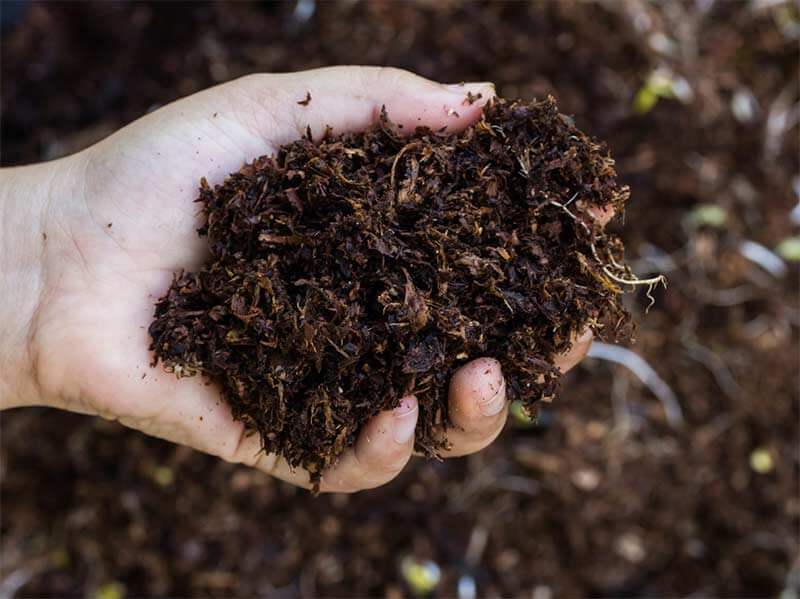
Manure Organic
Organic manure is natural, nutrient-rich soil amendment sourced from certified sustainable livestock farming operations.
Our premium organic manure enhances soil structure, improves water retention, and increases beneficial microbial populations naturally.
Blue Compost Investments organic manure contains no synthetic chemicals, pesticides, or harmful additives affecting soil health.
Natural organic manure supports sustainable agriculture practices while reducing dependence on synthetic fertilizers and chemical inputs.
Quality organic manure bulk delivery provides cost-effective soil enrichment for farms, gardens, and landscaping projects nationwide.

Free Shipping
We’re taking the extra cost out of your cart. Enjoy Free Standard Shipping on every order – no minimum purchase, no coupon code needed. Just the products you love, delivered right to your door for the price you see.

Products Guaranty
At Blue Compost Investments, we stand behind every product we deliver. Our Products Guaranty ensures that you receive only high-quality, reliable items or we make it right.
Complete Guide to Premium Organic Manure for Sustainable Agriculture and Landscaping
Organic manure represents a cornerstone of sustainable agricultural practices and environmentally responsible soil management strategies worldwide. This natural soil amendment delivers comprehensive nutrients, beneficial microorganisms, and organic matter that transform soil structure, enhance water-holding capacity, and support vigorous plant growth. Blue Compost Investments specializes in sourcing premium organic manure from certified sustainable livestock operations committed to agricultural excellence and environmental stewardship. Our organic manure products provide optimal solutions for farmers, gardeners, landscapers, and environmental advocates seeking natural alternatives to synthetic fertilizers while improving long-term soil health and productivity.
Understanding Organic Manure Composition and Agricultural Value
Organic manure comprises decomposed or partially decomposed animal excrement combined with bedding materials, straw, or other organic substances. This natural product delivers complete nutrient profiles including nitrogen, phosphorus, and potassium—essential macronutrients supporting plant growth across all agricultural and horticultural applications. Unlike synthetic fertilizers providing only isolated nutrient elements, organic manure delivers comprehensive micronutrient content including calcium, magnesium, sulfur, and trace elements critical for optimal plant development and yield quality.
The organic matter content of premium organic manure ranges from 20-40%, depending on source animal species and composting methodology. This high organic matter concentration improves soil structure, enhancing porosity, aeration, and water infiltration critical for root development and nutrient availability. The humic substances present in aged organic manure promote soil aggregation, strengthen soil crumbs, and support beneficial soil microbial communities that enhance nutrient cycling and plant disease suppression.
Microbial Activity and Soil Biological Enhancement
Quality organic manure introduces millions of beneficial microorganisms including bacteria, fungi, and actinomycetes that establish vibrant soil ecosystems. These microorganisms decompose organic matter, releasing nutrients in plant-available forms while suppressing pathogenic organisms that cause plant diseases. The biological activity generated by organic manure application establishes self-sustaining soil ecosystems requiring minimal external inputs while maintaining fertility indefinitely through natural nutrient cycling processes.
Research demonstrates that fields amended regularly with organic manure develop superior soil structure, increased water-holding capacity, and enhanced plant disease resistance compared to synthetic fertilizer-dependent soils. The mycorrhizal fungi populations encouraged by organic manure create symbiotic relationships with plant roots, dramatically improving nutrient uptake efficiency and plant stress tolerance. These biological benefits accumulate over multiple growing seasons, creating increasingly productive soils requiring progressively fewer external inputs.
Blue Compost Investments Organic Manure Quality Standards
Our commitment to organic manure excellence extends throughout sourcing, processing, and quality assurance stages. Blue Compost Investments partners with certified organic livestock operations maintaining rigorous animal welfare standards and sustainable farming practices. Our organic manure source animals receive only organic feed, untreated water, and humane living conditions aligned with certified organic agriculture principles.
Our organic manure undergoes extended aging and curing processes ensuring complete pathogen elimination while maximizing beneficial microorganism populations. Each organic manure batch meets strict organic certification standards, verifying absence of synthetic pesticides, herbicides, chemical fertilizers, or pharmaceutical residues. Comprehensive testing confirms nutrient content, organic matter composition, and microbial activity levels ensuring consistent quality across all organic manure shipments.
Composted vs. Aged Organic Manure Options
Blue Compost Investments offers both fully composted and aged organic manure varieties, each providing distinct advantages for different applications. Fully composted organic manure features accelerated nutrient availability, reduced odor characteristics, and minimal weed seed viability. This processing method suits applications requiring rapid nutrient delivery or projects where odor management proves critical including residential landscaping and proximity to populated areas.
Aged organic manure retains greater humic substance concentrations and microbial diversity compared to fully composted products. This variety proves superior for long-term soil building applications, supporting persistent improvements in soil structure and biological activity. Aged organic manure requires longer application-to-planting intervals but delivers superior cumulative soil health benefits, particularly when applied consistently across multiple growing seasons.
Organic Manure Applications Across Agricultural and Horticultural Sectors
Vegetable and Fruit Production: Organic manure provides complete nutrition supporting robust vegetable crop growth, increased yields, and superior produce quality. Regular organic manure applications establish disease-suppressive soils reducing crop losses to pathogens. For comprehensive organic vegetable production guidance, consult resources from the Organic Farming Research Foundation regarding sustainable practices and certification requirements.
Field Crops and Grains: Grain and commodity crop operations benefit from organic manure applications that build soil organic matter, improve water retention, and support consistent productivity. Reduced synthetic fertilizer dependence decreases input costs while environmental impact from excess nutrient runoff diminishes substantially.
Pasture and Hay Production: Forage crops support superior nutritional profiles when grown in organic manure-amended soils. Improved soil fertility increases forage quality, digestibility, and nutritional density supporting livestock health and production performance.
Turf and Landscape Management: Golf courses, sports fields, and landscape projects utilize organic manure for sustainable turf establishment supporting dense, healthy grass growth without synthetic chemical inputs. Improved soil structure under organic manure management reduces irrigation requirements while enhancing turf disease resistance.
Container and Potting Amendments: Premium organic manure components blend into potting media, providing sustained nutrient availability supporting container plant growth throughout extended growing seasons. Container plants amended with organic manure develop superior root systems and enhanced drought tolerance.
Nursery Operations: Ornamental plant nurseries incorporate organic manure amendments supporting vigorous plant growth, improved nursery stock quality, and reduced chemical input requirements. Buyer preference for sustainably produced nursery plants increasingly favors organic manure practices.
Nutrient Content and Plant Nutrition Optimization
Organic manure nutrient content varies based on source animal species, feed composition, and processing methodology. Cattle manure typically provides balanced nitrogen, phosphorus, and potassium ratios suitable for most agricultural applications. Poultry manure delivers higher nitrogen concentrations beneficial for nitrogen-demanding crops requiring intensive nutrient support.
The nitrogen content of organic manure ranges from 1-3% dry weight, with substantial portions immobilized in organic compounds requiring microbial decomposition for plant availability. This slow-release nitrogen characteristic prevents nutrient leaching losses common with soluble synthetic fertilizers, improving nutrient use efficiency and reducing environmental impact. Phosphorus content typically ranges from 0.5-1.5%, while potassium concentrations vary from 0.5-2.0% depending on source animal species and diet composition.
Trace mineral content of organic manure includes copper, zinc, manganese, boron, and molybdenum—micronutrients essential for optimal plant nutrition and pest and disease resistance. These micronutrients often become depleted through intensive agricultural practices, making organic manure supplementation critical for maintaining long-term soil fertility and plant health.
Environmental Benefits and Sustainability Advantages
Organic manure utilization provides substantial environmental advantages compared to synthetic fertilizer dependence. Reduced synthetic nitrogen fertilizer applications dramatically decrease greenhouse gas emissions associated with fossil fuel-intensive fertilizer manufacturing and transportation. Decreased nutrient runoff from organically managed soils protects water quality, preventing eutrophication and algal bloom formation threatening aquatic ecosystem health.
Organic manure application builds soil organic matter, increasing carbon sequestration that mitigates climate change impacts. Fields managed with organic manure amendments accumulate carbon at rates approaching 1 ton per acre annually, contributing meaningfully to atmospheric carbon reduction and environmental restoration. Supporting sustainable livestock operations through organic manure utilization maintains rural communities and agricultural landscapes providing critical ecosystem services.
Application Rates and Best Management Practices
Optimal organic manure application rates depend on crop type, existing soil fertility, and production objectives. Vegetable crops typically benefit from 10-20 tons per acre applied annually, supporting intensive nutrient demands. Field crops often require 5-10 tons per acre applied every 2-3 years, building soil organic matter while meeting crop nutrient requirements.
Apply organic manure preferably in fall or early spring, allowing extended weathering and microbial decomposition before planting. Till or incorporate organic manure into soil within 2-4 weeks of application, improving soil contact and decomposition efficiency. Water applied fields after organic manure incorporation supporting moisture penetration and initiating microbial decomposition processes.
Test soil regularly monitoring nutrient content, organic matter accumulation, and biological activity. Adjust organic manure application rates based on soil test results and crop performance observations. Implement crop rotations and cover crop systems complementing organic manure applications, maximizing biological activity and nutrient cycling efficiency.
Storage and Handling Considerations
Store organic manure in weatherproof structures protecting material from excessive rainfall leaching nutrients into groundwater. Maintain adequate pile size supporting anaerobic decomposition in interior regions while aerobic zones manage surface materials. Turn piles periodically promoting uniform decomposition and pathogen elimination.
Handle organic manure using equipment protecting operator safety and preventing spills or contamination. Use designated storage areas preventing runoff toward surface water or irrigation sources. Maintain separation between organic manure storage and water supply protection zones meeting regulatory requirements.
Implement inventory tracking systems ensuring timely utilization and preventing material degradation from extended storage. Train staff in proper handling procedures minimizing dust exposure and maintaining workplace safety standards throughout organic manure application operations.
Certification and Regulatory Compliance
Blue Compost Investments organic manure meets certified organic standards established by the U.S. Department of Agriculture National Organic Program. Our products contain no prohibited substances, synthetic additives, or materials conflicting with organic production principles. Comprehensive documentation accompanies each organic manure shipment, verifying organic certification status and facilitating organic producer compliance verification.
Utilizing certified organic manure supports organic crop certification achievements, meeting strict production requirement verification. Organic buyers demand transparency regarding fertilizer sources, making certified organic manure selection essential for successful organic operations.
Bulk Ordering and Delivery Solutions
Blue Compost Investments offers convenient organic manure ordering through our comprehensive shop page, featuring multiple organic manure varieties and application sizes. Our agricultural specialists provide professional consultation assisting customers in selecting optimal organic manure products and application strategies for specific production requirements. Bulk organic manure orders qualify for competitive pricing and flexible delivery scheduling, accommodating farm operations of all sizes and seasonal application windows.
Premium organic manure represents essential investment supporting sustainable agriculture, environmental protection, and long-term soil productivity. Trust Blue Compost Investments for reliable, certified organic manure backed by agricultural expertise and environmental commitment.
You must be logged in to post a review.


Reviews
Clear filtersThere are no reviews yet.