


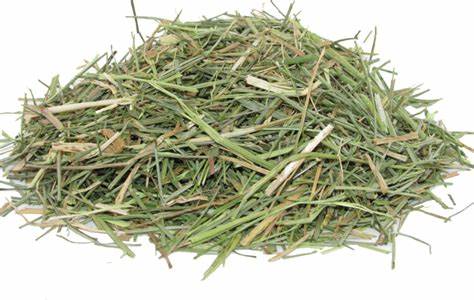
Alfalfa Hay
Alfalfa hay is a nutrient-dense legume forage providing high-protein content essential for production livestock and growing animals.
Our premium alfalfa hay contains elevated mineral concentrations including calcium, magnesium, and potassium for optimal animal health.
Blue Compost Investments sources alfalfa hay from certified growers maintaining strict quality control throughout harvesting and storage processes.
High-protein alfalfa hay supports milk production, muscle development, and reproductive success in demanding livestock operations.
Premium alfalfa hay bulk ordering provides cost-effective nutrition solutions with convenient delivery to farms and ranches nationwide.

Free Shipping
We’re taking the extra cost out of your cart. Enjoy Free Standard Shipping on every order – no minimum purchase, no coupon code needed. Just the products you love, delivered right to your door for the price you see.

Products Guaranty
At Blue Compost Investments, we stand behind every product we deliver. Our Products Guaranty ensures that you receive only high-quality, reliable items or we make it right.
The Complete Guide to Premium Alfalfa Hay for Livestock Excellence
Alfalfa hay stands as one of the most nutrient-dense and versatile forage options available to modern livestock operations worldwide. This legume-based hay delivers exceptional protein content, comprehensive mineral profiles, and concentrated energy density that supports high-production animals including dairy cattle, breeding livestock, and performance horses. Blue Compost Investments specializes in sourcing premium alfalfa hay from established growers committed to agricultural excellence and sustainable cultivation practices. Our alfalfa hay products represent optimal choices for operations prioritizing animal performance, reproductive success, and overall herd productivity while maintaining competitive operating costs.
Understanding Alfalfa Hay Composition and Nutritional Superiority
Alfalfa hay differs fundamentally from grass-based forage products through its legume classification, delivering significantly higher protein, mineral, and energy concentrations. Premium alfalfa hay typically contains crude protein levels ranging from 15-22%, substantially exceeding grass hay protein content and supporting intensive production demands. The digestible energy content of quality alfalfa hay ranges from 2.0 to 2.4 megacalories per kilogram, providing concentrated energy that reduces supplemental grain requirements in many feeding programs.
The mineral profile of alfalfa hay includes abundant calcium, magnesium, potassium, phosphorus, and trace elements including copper, zinc, and manganese. These mineral concentrations support bone development, reproductive function, lactation performance, and immune system competency across all animal species. The natural vitamin content of alfalfa hay includes vitamin A, vitamin E, and B-complex vitamins, offering comprehensive micronutrient support often reducing synthetic supplement requirements in balanced feeding programs.
Superior Palatability and Voluntary Feed Intake Characteristics
Animals typically demonstrate strong preference for quality alfalfa hay, consuming greater voluntary quantities compared to grass hays and other forage options. This heightened palatability increases total daily nutrient intake without requiring larger hay volumes, improving feeding efficiency and reducing overall feed costs. The fine, leafy structure of premium alfalfa hay supports easier consumption, making it particularly valuable for senior animals, animals with dental limitations, or animals recovering from illness or injury.
Research demonstrates that increased voluntary alfalfa hay consumption translates to improved milk production, faster weight gains in growing animals, and enhanced reproductive performance across cattle, sheep, and goat operations. The digestibility of alfalfa hay protein ranges from 65-75%, ensuring substantial portions of consumed protein become bioavailable for animal growth, maintenance, and production functions.
Blue Compost Investments Alfalfa Hay Excellence Standards
Our commitment to alfalfa hay quality extends throughout every cultivation, harvesting, and storage stage. Blue Compost Investments partners with certified alfalfa growers who implement integrated pest management programs, proper irrigation scheduling, and optimal harvest timing maximizing nutritional content. Our alfalfa hay is harvested at early bloom stage, when plant nutrient density peaks while maintaining desirable forage characteristics including color, aroma, and leaf-to-stem ratios.
Each alfalfa hay batch undergoes comprehensive nutritional analysis including crude protein quantification, digestible energy measurement, fiber composition analysis, and mineral concentration assessment. We maintain state-of-the-art storage facilities with climate control systems protecting alfalfa hay from weather exposure, mold development, and pest contamination. Our quality assurance protocols ensure every alfalfa hay shipment meets or exceeds industry standards and customer expectations.
First, Second, Third, and Fourth Cutting Alfalfa Hay Options
Blue Compost Investments offers multiple alfalfa hay cutting options, each providing distinct nutritional and physical characteristics suitable for different production scenarios. First cutting alfalfa hay features maximum fiber content, mature plant material, and coarser stem structure. This cutting provides exceptional digestive stimulation and extended chewing duration, benefiting animals requiring higher forage volumes or those needing optimized digestive function.
Second cutting alfalfa hay delivers balanced characteristics between first and later cuttings, providing adequate protein content while maintaining reasonable fiber levels. This cutting proves particularly valuable for mixed operations combining different animal categories with varying nutritional requirements. Third cutting alfalfa hay features finer, leafier plant material with higher protein concentrations and lower fiber content, making it ideal for dairy cattle, young animals, and high-production livestock demanding maximum nutrient density.
Fourth cutting alfalfa hay, when available, represents the finest material with highest protein and mineral concentrations alongside lowest fiber content. Premium alfalfa hay operations may produce four cuttings during favorable growing seasons, with later cuttings commanding premium pricing due to superior nutritional composition. Blue Compost Investments works with growers to secure limited fourth cutting alfalfa hay supplies for customers with highest-quality forage requirements.
Alfalfa Hay Applications Across Livestock Categories
Dairy Cattle: Alfalfa hay serves as primary forage in most dairy operations, supporting milk production, reproductive cycling, and lactation longevity. Quality alfalfa hay reduces supplemental grain requirements while maintaining milk quality and butterfat content. For comprehensive dairy nutrition guidance, consult the American Dairy Science Association for research-based feeding recommendations.
Beef Cattle: Growing cattle and breeding animals benefit significantly from alfalfa hay supplementation, particularly during high-nutrient demand periods. Pregnant and lactating beef cows require alfalfa hay to support calf development and milk production supporting optimal calf growth rates.
Horses: Performance horses, breeding animals, and young growing horses thrive on alfalfa hay feeding programs, particularly when combined with grass hay to balance nutrient intake. Alfalfa hay supports muscle development, reproductive success, and coat quality in equine operations.
Sheep and Goats: These ruminants benefit substantially from alfalfa hay supplementation supporting wool production, meat quality, and reproductive success. Pregnant and lactating animals require alfalfa hay for meeting elevated nutrient demands during critical production periods.
Rabbits and Small Animals: Limited alfalfa hay quantities supplement rabbit and small animal diets, providing protein and minerals supporting growth and reproductive functions. Excessive alfalfa hay in small animals may cause digestive disturbances, requiring careful quantity management.
Strategic Alfalfa Hay Feeding Program Development
Successful alfalfa hay utilization requires strategic integration into comprehensive feeding programs matched to specific animal requirements and production objectives. Dairy operations typically feed 40-60% of forage as alfalfa hay, balancing high nutrient density with cost considerations and rumen fermentation optimization. Beef operations often limit alfalfa hay to 30-50% of forage intake, supplementing with grass hay to maintain appropriate fiber levels and rumen function.
Young, growing animals benefit from alfalfa hay allocations supporting maximum nutrient availability for rapid development and weight gain. Maintenance animals may receive reduced alfalfa hay quantities, substituting grass hay or lower-quality forage as cost-saving measures. Pregnant animals require elevated alfalfa hay intake supporting fetal development, while lactating animals need maximum nutrient density for milk production supporting nursing offspring.
Consulting with agricultural nutritionists ensures alfalfa hay feeding programs achieve production goals while optimizing cost efficiency and animal health. Professional feeding program development accounts for individual animal requirements, available supplemental feeds, and operation-specific production objectives.
Storage Excellence and Alfalfa Hay Preservation Techniques
Proper alfalfa hay storage directly impacts nutritional preservation, quality maintenance, and contamination prevention throughout inventory management. Store alfalfa hay in weatherproof structures protecting forage from rainfall and direct sunlight that degrades color, nutrient content, and palatability. Ideal storage environments maintain temperatures between 50-70°F with relative humidity levels below 15%, preventing mold development and preserving quality.
Implement inventory management systems ensuring older alfalfa hay receives priority consumption before newer deliveries. Monitor stored alfalfa hay for moisture accumulation, pest presence, and decomposition signs. Moldy or contaminated alfalfa hay poses serious health risks including mycotoxin poisoning, respiratory disease, and digestive disturbances. Remove compromised forage immediately and replace with fresh, verified-quality alfalfa hay supplies.
Stack alfalfa hay efficiently using proper support structures preventing compression that reduces air circulation and promotes moisture accumulation. Breathable coverings protect stored alfalfa hay from weather while allowing moisture escape preventing mold development. Maintain adequate spacing between hay stacks and surrounding structures ensuring air circulation supporting drying and quality preservation.
Mineral Balance and Nutritional Optimization Considerations
While alfalfa hay delivers exceptional mineral content, specific mineral ratios require careful attention in comprehensive feeding program development. The calcium-to-phosphorus ratio in alfalfa hay typically ranges from 5:1 to 8:1, substantially higher than optimal ratios for most animal species. This elevated calcium content necessitates careful supplementation with phosphorus-rich feeds or mineral supplements maintaining physiologically appropriate mineral balance.
The potassium content of alfalfa hay may also exceed optimal levels for certain animal categories, particularly animals with specific metabolic conditions including hypokalemia or those prone to nutritional imbalances. Professional nutritional analysis ensures alfalfa hay feeding programs maintain appropriate mineral ratios supporting metabolic function and preventing nutritional imbalances or deficiency conditions.
Environmental Sustainability and Alfalfa Hay Production Benefits
Sustainable alfalfa hay production provides significant environmental benefits compared to intensive grain cultivation or synthetic feed production. Alfalfa fields support soil health through nitrogen-fixing bacteria relationships, reducing synthetic nitrogen fertilizer requirements. Properly managed alfalfa hay operations prevent soil erosion while supporting biodiversity and pollinator populations critical for ecosystem function.
Blue Compost Investments alfalfa hay sourcing emphasizes sustainable practices protecting long-term environmental integrity and agricultural productivity. Our partner farms implement crop rotation strategies, minimize chemical inputs, and practice responsible water management supporting ecological health and community resilience.
Ordering Premium Alfalfa Hay in Bulk
Blue Compost Investments offers convenient alfalfa hay ordering through our comprehensive shop page, featuring multiple alfalfa hay varieties and cutting options. Our agricultural specialists provide professional consultation assisting customers in selecting optimal alfalfa hay products for specific production requirements. Bulk alfalfa hay orders qualify for competitive pricing and free delivery options, reducing overall forage program expenses for farms and ranches nationwide.
Premium alfalfa hay represents essential nutrition supporting production excellence across diverse livestock operations. Trust Blue Compost Investments for reliable, high-quality alfalfa hay backed by agricultural expertise and customer service commitment.
You must be logged in to post a review.


Reviews
Clear filtersThere are no reviews yet.