


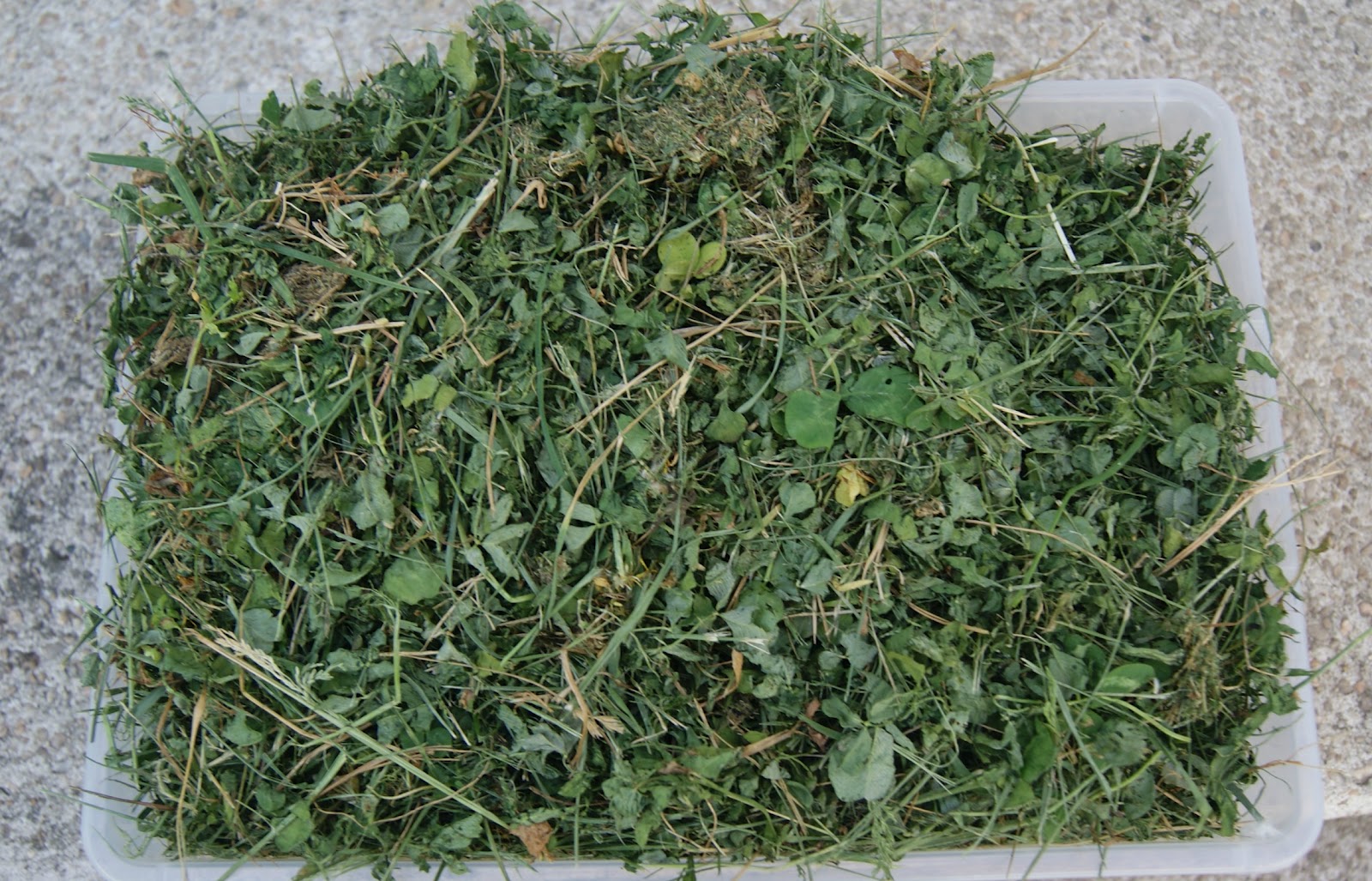
Clover Hay
Clover hay is a premium legume forage providing high protein and calcium content for livestock nutrition.
Offers superior palatability and digestibility compared to grass hays, encouraging excellent feed intake.
Ideal for dairy cattle, horses, sheep, goats, and rabbits requiring nutrient-dense roughage sources.
Rich in essential amino acids, vitamins, and minerals that support optimal animal health and productivity.
Our quality clover hay is harvested at optimal maturity and properly cured for maximum nutritional value.

Free Shipping
We’re taking the extra cost out of your cart. Enjoy Free Standard Shipping on every order – no minimum purchase, no coupon code needed. Just the products you love, delivered right to your door for the price you see.

Products Guaranty
At Blue Compost Investments, we stand behind every product we deliver. Our Products Guaranty ensures that you receive only high-quality, reliable items or we make it right.
Premium Clover Hay for Superior Livestock Nutrition
Clover hay represents one of the most valuable forage sources available to livestock producers, combining exceptional nutritional density with outstanding palatability that animals naturally prefer. At Blue Compost Investments, we supply premium-quality clover hay carefully harvested, cured, and stored to preserve the nutritional excellence that makes legume forages indispensable in quality feeding programs. Whether you’re managing a dairy operation requiring high-protein forages, maintaining horses demanding digestible fiber, or raising small ruminants needing calcium-rich feeds, our clover hay delivers the nutritional foundation for success.
The cultivation and harvest of clover hay requires specialized knowledge and attention to timing that distinguishes premium forage from commodity roughage. Clover must be cut at the optimal stage of maturity—typically early bloom—to capture maximum protein content and digestibility before stems become woody and nutritional value declines. Our suppliers understand these critical harvest windows and employ proper curing techniques that preserve leaf retention, maintain natural color, and prevent mold development during the drying process.
Unlike grass hays that primarily provide energy through structural carbohydrates, clover hay offers balanced nutrition with protein levels typically ranging from 15-20% depending on variety and harvest stage. This protein richness makes clover hay particularly valuable for high-producing animals with elevated nutrient requirements that cannot be economically met with grain supplementation alone. The combination of protein, energy, calcium, and vitamins in quality clover hay creates feeding opportunities unavailable with lower-quality forages.
Nutritional Composition and Feeding Value
The protein content of well-made clover hay substantially exceeds that of most grass hays, typically containing 16-18% crude protein when harvested at optimal maturity. This protein is highly digestible and provides a favorable amino acid profile that complements grain-based concentrates in balanced livestock diets. The protein quality in clover hay makes it particularly valuable for lactating dairy cows, growing animals, and breeding stock with elevated protein requirements.
Energy concentration in clover hay, while lower than cereal grains, surpasses most grass hay varieties due to lower fiber content and higher cell contents. Total digestible nutrients typically range from 55-62% depending on maturity at harvest and preservation quality. This digestible energy supports maintenance requirements and contributes meaningfully to productive functions like milk synthesis, gestation, and growth in efficiently managed feeding programs.
Calcium content represents one of clover hay’s most distinctive nutritional attributes, with levels commonly reaching 1.5-2.0% of dry matter—substantially higher than grass forages. This abundant calcium makes clover hay especially valuable for lactating dairy cows synthesizing calcium-rich milk, growing young stock developing skeletal systems, and horses requiring balanced mineral nutrition. The calcium-phosphorus ratio in clover hay naturally aligns with requirements of most herbivores, reducing the need for mineral supplementation.
Vitamin content in properly cured clover hay provides valuable nutrition often deficient in mature or weathered forages. Carotene—the precursor to vitamin A—remains abundant in green, well-preserved clover hay, supporting immune function, reproduction, and epithelial tissue health. Vitamin E and vitamin K likewise contribute to antioxidant protection and blood clotting functions essential for animal health.
Clover Varieties and Characteristics
Red Clover Hay
Red clover stands as the most widely cultivated clover species for hay production across temperate regions. Plants grow 18-24 inches tall with characteristic purple-red flower heads and produce two to three hay cuttings annually under favorable conditions. Red clover hay offers excellent nutritional value with protein content typically ranging from 16-19% when harvested at early bloom stage. The relatively large stem diameter of red clover necessitates proper conditioning at cutting to ensure uniform drying and prevent mold in the thicker plant portions.
Palatability of red clover hay ranks high among livestock, with animals showing strong preference over many alternative forages. The rapid growth rate and high yield potential of red clover make it an economical choice for producers seeking maximum tonnage of quality forage per acre. However, red clover’s relatively short stand life—typically two to three years—requires periodic reestablishment compared to longer-lived alfalfa stands.
White Clover Hay
White clover grows as a low-growing perennial spreading through stolons rather than developing tall upright stems. While less commonly harvested as pure hay compared to red clover or alfalfa, white clover frequently appears in mixed grass-legume hay meadows where it contributes protein enrichment and nitrogen fixation benefits. White clover’s prostrate growth habit makes it better suited for grazing than mechanical harvest, though quality mixed hays containing significant white clover proportions offer excellent livestock nutrition.
The protein content of white clover matches or exceeds red clover, and its digestibility ranks among the highest of all forages. Livestock show strong palatability preference for white clover, and its fine stems dry rapidly after cutting. In hay mixtures, white clover adds nutritional value and enhances overall feed quality beyond what grass components alone provide.
Crimson Clover Hay
Crimson clover serves primarily as an annual cool-season legume grown for soil improvement, cover cropping, and hay production in southern regions. The distinctive crimson flower heads make this species easily identifiable in the field. While less commonly encountered in northern hay markets, crimson clover produces nutritious forage with feeding value comparable to other clover species when properly harvested and cured. Its annual growth habit and adaptation to milder climates limit its role in perennial hay production systems.
Livestock Applications and Feeding Programs
Dairy Cattle Nutrition
Dairy producers highly value clover hay as a protein and calcium source for lactating cows and growing replacement heifers. The combination of digestible protein and energy in quality clover hay supports milk production while the abundant calcium content meets the elevated mineral requirements of high-producing cows. Feeding clover hay reduces the need for expensive protein supplements like soybean meal, improving feed cost efficiency while maintaining milk production and quality.
Dry matter intake—a critical factor determining total nutrient consumption—benefits from clover hay’s superior palatability compared to mature grass hays or lower-quality roughages. Cows consume clover hay readily, supporting the high feed intake necessary for maximum milk synthesis. The digestibility of clover hay allows efficient nutrient utilization, converting forage quality into milk components that determine producer income. Our animal feed selection includes complementary products for complete dairy nutrition programs.
Equine Feeding Management
Horse owners and stable managers recognize clover hay as a nutritious alternative or complement to alfalfa and grass hays in equine diets. The moderate protein content suits most mature horses performing light to moderate work, while the digestible fiber provides the roughage essential for proper digestive function. Clover hay’s palatability encourages consistent intake, particularly beneficial for hard-keeping horses or those recovering from illness requiring increased nutritional support.
Calcium-rich clover hay proves especially valuable for growing horses, pregnant mares, and lactating broodmares with elevated mineral requirements for skeletal development and milk production. However, the same calcium abundance requires careful feeding management when combined with other calcium-rich feeds to avoid excessive intake and potential developmental orthopedic problems in rapidly growing young horses. According to equine nutrition guidelines from sources like the University of Minnesota Extension, balanced mineral nutrition requires attention to calcium-phosphorus ratios throughout all feeding programs.
Small Ruminant Nutrition
Sheep and goat producers utilize clover hay extensively as a primary forage source providing protein and energy for diverse production systems. Meat lamb production benefits from clover hay’s nutrient density supporting rapid growth rates in market lamb finishing programs. Dairy goat operations rely on quality legume forages like clover hay to support the metabolic demands of lactation while maintaining body condition throughout extended milking periods.
The protein content in clover hay meets or exceeds requirements for pregnant ewes and does during late gestation when fetal growth accelerates. Similarly, nursing ewes and does with twins or triplets require nutrient-dense forages that clover hay readily provides. Growing lambs and kids thrive on clover hay, achieving target growth rates with reduced grain supplementation compared to grass hay feeding programs.
Rabbit Production Systems
Rabbit raisers prize clover hay as a staple component in rabbit nutrition programs across meat, fiber, and companion animal applications. The high protein and calcium content support the rapid growth rates characteristic of meat rabbit production, while the fiber promotes proper digestive function essential for rabbit health. Breeding does benefit from clover hay’s nutritional density during gestation and lactation when nutrient requirements peak.
Young rabbits transitioning from milk to solid feed readily accept clover hay, and its palatability encourages early consumption that supports healthy digestive tract development. The combination of nutrients and fiber in clover hay creates a feeding foundation that, when properly supplemented with appropriate concentrates, produces healthy, productive rabbits across all production stages.
Harvest Timing and Quality Factors
Maturity at Cutting
Harvest timing profoundly influences clover hay quality, with early cutting producing high-protein, highly digestible forage while delayed harvest results in increased yield but reduced feeding value per pound. Optimal harvest typically occurs at early to mid-bloom stage when flower buds have just begun opening. At this maturity, protein content peaks while fiber remains relatively low, maximizing digestibility and palatability.
Delaying harvest beyond optimal maturity allows additional yield accumulation but sacrifices per-unit quality through increased stem lignification and reduced leaf-to-stem ratio. The economic decision between yield and quality depends on intended use—high-producing dairy cows and horses in heavy work justify premium quality hay, while dry cows and idle horses utilize lower-quality later-cut hay economically.
Curing and Preservation
Proper field curing transforms freshly cut clover into stable hay suitable for long-term storage without spoilage. Clover’s relatively broad stems require more drying time than fine-stemmed grasses, and rapid moisture loss from leaves can cause shattering and loss of the most nutritious plant parts. Modern hay production employs mechanical conditioning at cutting to crush or crimp stems, accelerating moisture loss and promoting uniform drying.
Target moisture content for baling clover hay falls between 15-18% to prevent mold growth while minimizing leaf shatter during handling. Hay baled excessively wet risks heating and mold development that destroys nutritional value and creates dust and mycotoxins hazardous to livestock. Conversely, overly dry hay loses leaves—the most protein-rich plant portions—during baling and handling operations.
Weather conditions during harvest critically affect final hay quality. Extended periods of rain or high humidity during curing leach water-soluble nutrients, bleach natural color, and promote microbial activity that degrades feeding value. Our suppliers monitor weather forecasts carefully and time harvests to capitalize on favorable drying conditions that produce the quality hay our customers demand.
Quality Assessment and Selection
Visual Appraisal
Evaluating clover hay quality begins with visual inspection assessing color, leafiness, stem maturity, and freedom from foreign material. Premium clover hay exhibits bright green color indicating proper curing that preserved carotene and chlorophyll. Bleached or brown hay suggests weather damage or excessive moisture during curing that reduced nutritional value. The presence of flower heads indicates maturity at cutting, with early bloom harvest preferred over mature seed-bearing stems.
Leaf-to-stem ratio affects both nutritional concentration and palatability, as leaves contain substantially more protein and minerals than stems. Quality clover hay maintains abundant leaf material despite mechanical handling during harvest and feeding. Excessive stem content or bare stems stripped of leaves indicate either late cutting, weather damage, or rough handling that diminished feeding value.
Physical Characteristics
Texture provides additional quality insights—premium clover hay feels soft and pliable rather than coarse and brittle. Stem diameter and degree of lignification affect digestibility, with finer stems indicating earlier harvest and higher nutritional value. The presence of intact flower heads helps confirm maturity at cutting, though excessive seed development suggests delayed harvest beyond optimal quality.
Cleanliness ranks among essential quality factors, as excessive dirt, weeds, or foreign material dilutes nutritional value and creates potential hazards. Quality hay contains minimal non-clover plants, indicating well-managed stands free from weed competition. Dust levels should be minimal—dusty hay indicates mold growth or excessive dryness during handling that threatens respiratory health in livestock and handlers.
Laboratory Analysis
Chemical analysis provides objective quality measurements beyond visual assessment capabilities. Crude protein testing confirms the protein concentration critical for balancing livestock diets. Fiber fractions—acid detergent fiber and neutral detergent fiber—predict digestibility and feeding value more accurately than visual appraisal alone. Relative feed value or relative forage quality indices combine yield, protein, and digestibility data into single numbers facilitating quality comparisons.
Storage and Handling Best Practices
Preserving hay quality from harvest through feeding requires proper storage facilities and handling procedures. Hay should be stored under roof or covered with waterproof tarps that shed rain while allowing air circulation. Ground contact should be minimized through pallets or plastic barriers preventing moisture wicking that encourages mold growth in lower bales.
Barn storage provides optimal protection but requires adequate ventilation preventing condensation and heat accumulation. Stack configuration should allow air movement between bales and maintain stack stability preventing collapse hazards. Fire safety considerations mandate proper ventilation, temperature monitoring, and safe electrical installations in hay storage areas.
Inventory management using first-in-first-out rotation ensures older hay is fed before quality deterioration occurs. While properly stored clover hay maintains feeding value for extended periods, feeding within twelve months of harvest typically ensures optimal nutritional quality and palatability. Regular inspection of stored hay detects any quality issues requiring corrective action or priority feeding.
Economic Considerations and Value Assessment
Premium clover hay commands higher prices than grass hay reflecting its superior nutritional density and palatability. The economic value should be evaluated on cost per unit of nutrients delivered rather than cost per ton or per bale. High-quality clover hay justifies premium pricing when its protein and calcium content reduce supplemental feed requirements, particularly valuable in high-producing livestock operations.
Purchasing decisions should consider storage capabilities, livestock class and production level, and seasonal price variations. Harvest-time purchases often offer lower prices but require adequate storage facilities, while smaller purchases through the feeding season spread costs but typically incur higher per-unit prices. Quality assessment skills help producers identify the value-priced hay that delivers superior returns despite higher nominal costs.
Sustainable Forage Production
Legume forages like clover provide environmental benefits beyond livestock nutrition through biological nitrogen fixation. Clover roots host rhizobia bacteria that convert atmospheric nitrogen into plant-available forms, reducing synthetic fertilizer requirements in hay production systems. This nitrogen fixation improves soil fertility for subsequent crops while reducing production costs and environmental impacts associated with manufactured fertilizers.
Perennial clover stands protect soil from erosion while building organic matter that enhances soil health and water retention capacity. Well-managed clover meadows support diverse beneficial insects and provide wildlife habitat in agricultural landscapes. These sustainability attributes align with modern consumer expectations for environmentally responsible food production systems.
Partner with Blue Compost Investments for Quality Clover Hay
Sourcing consistent quality clover hay from reliable suppliers ensures your livestock receive the nutrition they deserve throughout the feeding season. We carefully select suppliers who understand proper harvest timing, employ effective curing practices, and maintain storage conditions that preserve hay quality. Our commitment to quality means you receive clover hay that meets your nutritional specifications and performance expectations with every delivery.
Whether you need truckload quantities for commercial operations or smaller volumes for farm feeding programs, our flexible purchasing options and dependable logistics accommodate diverse customer requirements. Contact us today to discuss your clover hay needs and experience the difference that quality forage makes in animal health, productivity, and operational success.
You must be logged in to post a review.


Reviews
Clear filtersThere are no reviews yet.