



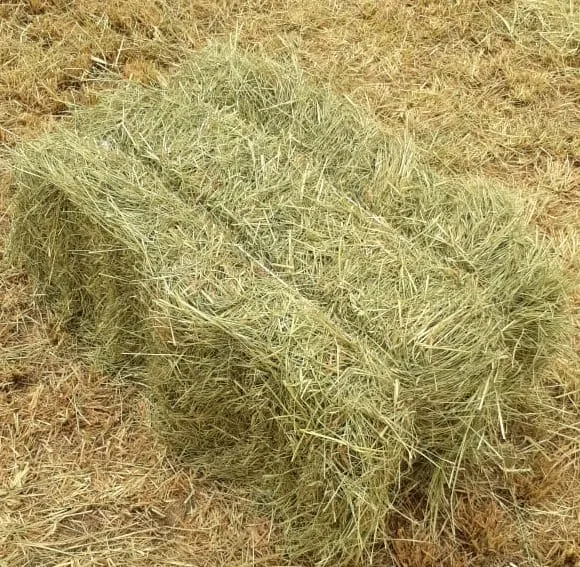
Rhodes Grass
Rhodes grass is a high-quality forage gaining worldwide popularity in Europe, Australia, and the UAE.
Perfect for cattle, buffalos, and dairy cows, providing essential nutrients and trace minerals year-round.
This versatile grass serves as excellent hay, deferred feed, or fresh grazing pasture for livestock operations.
Rich in vitamins A, B, D, and folic acid, supporting healthy blood oxygenation and overall animal wellness.
Reliable fodder storage solution for unpredictable rainfall years, ensuring consistent cattle nutrition supply.

Free Shipping
We’re taking the extra cost out of your cart. Enjoy Free Standard Shipping on every order – no minimum purchase, no coupon code needed. Just the products you love, delivered right to your door for the price you see.

Products Guaranty
At Blue Compost Investments, we stand behind every product we deliver. Our Products Guaranty ensures that you receive only high-quality, reliable items or we make it right.
Understanding Rhodes Grass and Its Global Popularity
Rhodes grass has emerged as one of the most valued forage grasses in modern livestock production, experiencing rapid growth in popularity across diverse global regions including Europe, Australia, and the United Arab Emirates. This warm-season perennial grass demonstrates remarkable adaptability to various climatic conditions and soil types, making it an increasingly important component of sustainable grazing systems and hay production operations worldwide. The grass’s ability to thrive in challenging environments while maintaining nutritional quality has positioned it as a strategic forage choice for forward-thinking livestock producers seeking reliable feed sources.
The expanding global adoption of Rhodes grass reflects the agricultural community’s recognition of its exceptional qualities as a livestock feed. Farmers and ranchers appreciate the grass’s resilience, productivity, and nutritional profile, which combines to deliver consistent value across different production systems. Whether managed as permanent pasture, rotational grazing paddocks, or dedicated hay fields, Rhodes grass provides dependable forage that supports healthy, productive livestock operations.
Nutritional Profile and Feed Quality
Moderate to High Quality Forage
Rhodes grass is primarily recognized as a useful forage of moderate to high quality, offering livestock producers a nutritional profile that effectively supports various classes of animals. The grass contains adequate protein levels for maintenance and moderate production demands, along with digestible energy that fuels daily activities and productive functions. The balance of nutrients in Rhodes grass makes it suitable as a primary forage source or as a complementary feed component within more complex nutritional programs.
The digestibility of Rhodes grass varies with maturity stage and management practices, with younger, vegetative growth offering higher nutritional density than mature, seed-producing stands. Strategic grazing management or timely hay harvest captures Rhodes grass at optimal nutritional stages, maximizing the feed value delivered to livestock. When properly managed alongside other quality forages, Rhodes grass contributes significantly to meeting livestock nutritional requirements throughout the production cycle.
Rich Source of Essential Vitamins and Minerals
One of the most compelling attributes of Rhodes grass involves its comprehensive micronutrient profile, which delivers essential vitamins and trace minerals often deficient in conventional livestock diets. The grass serves as a natural source of vitamins A, B, and D—critical nutrients supporting numerous physiological functions from vision and immune response to calcium metabolism and skeletal health. These naturally occurring vitamins provide biological value that sometimes exceeds synthetic supplementation, as they come packaged with complementary compounds that enhance absorption and utilization.
Rhodes grass also contains folic acid, a B-vitamin that plays a crucial role in hemoglobin production. Hemoglobin represents the iron-containing protein in red blood cells responsible for oxygen transport throughout the body, making adequate folic acid intake essential for maintaining healthy blood oxygenation in livestock. This nutritional characteristic proves particularly valuable for high-producing dairy cows, growing animals, and pregnant or lactating females with elevated nutritional demands. The presence of needed trace minerals including zinc, copper, manganese, and selenium further enhances the grass’s nutritional value, supporting enzyme systems, immune function, and reproductive health.
Versatile Utilization Methods
Grazing Management
Rhodes grass excels as a grazing forage, supporting both continuous and rotational grazing systems depending on management preferences and operational constraints. The grass tolerates moderate to heavy grazing pressure when managed appropriately, with adequate recovery periods between grazing events. Rotational grazing systems that allow Rhodes grass sufficient rest between grazings typically maximize both forage production and nutritional quality, resulting in improved animal performance and pasture longevity.
The palatability of Rhodes grass generally receives favorable ratings from livestock, with cattle readily consuming the forage when maintained in vegetative growth stages. As the grass matures and develops seed heads, palatability may decline somewhat, though animals continue to utilize the forage particularly when alternative feed sources are limited. Strategic grazing management that maintains younger growth stages optimizes both animal acceptance and nutritional intake.
Hay Production and Storage
Rhodes grass demonstrates excellent characteristics for hay production, representing one of its most valuable applications in livestock feeding systems. The grass can be cut for hay at appropriate maturity stages, typically when heading begins but before extensive seed development occurs. This timing balances yield potential against nutritional quality, capturing reasonable tonnage while maintaining adequate protein and energy content for livestock needs.
For livestock producers facing unpredictable rainfall patterns and seasonal forage variability, Rhodes grass hay offers a practical solution for storing sufficient fodder to maintain cattle through challenging periods. The ability to produce and store Rhodes grass hay provides insurance against drought, extended dry seasons, or other environmental conditions that limit fresh forage availability. Properly harvested and stored Rhodes grass hay maintains nutritional value for extended periods, allowing producers to stockpile feed during productive growing seasons for use during times of scarcity.
The hay-making process for Rhodes grass follows conventional practices, requiring cutting at appropriate moisture levels, adequate field drying time, and timely baling to preserve quality while avoiding weather damage. Once baled, Rhodes grass hay should be stored under cover or protected from precipitation to maintain nutritional value and prevent mold development that could compromise feed safety and palatability.
Deferred Grazing Applications
Rhodes grass also functions effectively as deferred feed, allowing mature standing forage to remain in fields for later grazing during periods when fresh growth is unavailable. This management strategy, sometimes called stockpiling, involves allowing Rhodes grass to accumulate growth during favorable conditions, then restricting grazing until needed during dormant seasons or dry periods. While deferred Rhodes grass typically offers lower nutritional quality than actively growing forage, it provides valuable roughage and maintenance-level nutrition during times when alternative feed sources may be expensive or unavailable.
Ideal Livestock Applications
Wonderful Feed for Cattle, Buffalos, and Dairy Cows
Rhodes grass has earned recognition as a wonderful feed for diverse classes of livestock including buffalos, bulls, and dairy cows. The grass’s nutritional profile aligns well with the dietary requirements of these animals, providing adequate protein, energy, minerals, and vitamins to support maintenance, growth, reproduction, and milk production depending on the livestock class and production stage.
Dairy operations particularly value Rhodes grass for its ability to support milk production while maintaining good body condition in lactating cows. The grass can serve as a foundation forage in dairy rations, often supplemented with concentrates and additional protein sources to meet the elevated nutritional demands of high-producing dairy animals. Beef cattle operations similarly benefit from Rhodes grass, using it to maintain breeding herds, develop growing cattle, or provide backgrounding nutrition before animals enter finishing programs.
Water buffalo production systems, common in some regions where Rhodes grass thrives, find the forage well-suited to buffalo nutritional requirements and grazing behavior. The robust nature of Rhodes grass withstands buffalo grazing patterns while providing the bulk and nutrients these large animals require for productive performance.
Establishment and Management Considerations
Pure Stands vs. Mixed Sowing
Rhodes grass can form productive pure stands when established and managed appropriately, creating single-species pastures or hay fields dedicated entirely to this forage grass. Pure Rhodes grass stands offer management simplicity and consistent forage characteristics, allowing producers to optimize inputs and harvesting schedules for this specific grass species.
Alternatively, Rhodes grass is frequently sown with other grasses or legumes to create diverse pasture mixtures that provide complementary benefits. Combining Rhodes grass with legumes like clover or medic introduces nitrogen fixation into the system, reducing fertilizer requirements while increasing the overall protein content of the forage mix. Mixed grass species provide nutritional diversity and may extend the productive season by incorporating species with different growth patterns and environmental preferences. These multispecies approaches often enhance pasture resilience and productivity across varying environmental conditions.
Limitations and Considerations
While Rhodes grass offers numerous advantages, producers should recognize that it is not suitable for silage production. The grass’s characteristics during fermentation do not produce high-quality silage, making hay production or direct grazing the preferred utilization methods. This limitation requires operations dependent on silage to incorporate other forage species that better meet silage-making requirements.
Rhodes grass performs best in warm climates with adequate moisture availability, though it demonstrates reasonable drought tolerance once established. The grass thrives in tropical and subtropical regions but may suffer or become dormant during extended cold periods in temperate climates. Understanding these environmental preferences helps producers determine whether Rhodes grass represents an appropriate forage choice for their specific location and production goals.
Environmental Adaptability and Sustainability
Climate Resilience
The growing popularity of Rhodes grass in regions with variable and unpredictable rainfall patterns reflects its valuable climate resilience characteristics. The grass’s deep root system accesses soil moisture unavailable to shallow-rooted species, allowing Rhodes grass to maintain productivity during moderate drought conditions. This drought tolerance provides livestock producers with greater confidence in forage availability despite climatic variability, reducing the risk of feed shortages that can compromise animal welfare and economic performance.
The warm-season growth pattern of Rhodes grass complements cool-season forage species in many production systems, extending the period of fresh forage availability throughout the year. This seasonal complementarity reduces reliance on stored feed and purchased supplements, improving operational efficiency and sustainability.
Soil Conservation Benefits
As a perennial grass with extensive root systems, Rhodes grass contributes to soil conservation by preventing erosion, improving soil structure, and enhancing water infiltration. The continuous ground cover provided by established Rhodes grass stands protects soil surfaces from wind and water erosion, particularly important in regions with intense rainfall events or vulnerable soils. The root systems add organic matter to soils as they cycle through growth and decay, gradually improving soil health and productive capacity over time.
You must be logged in to post a review.


Reviews
Clear filtersThere are no reviews yet.