

Meadow Grass
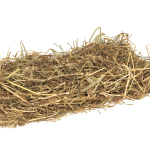
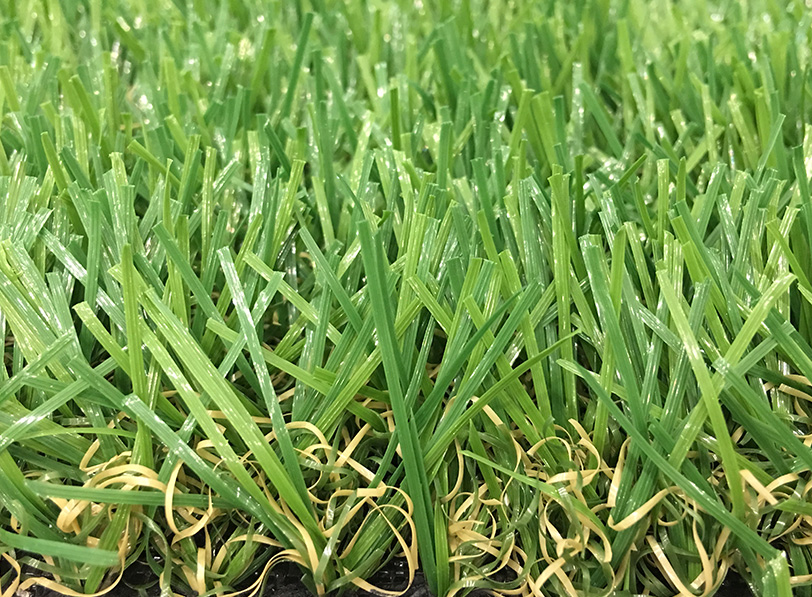
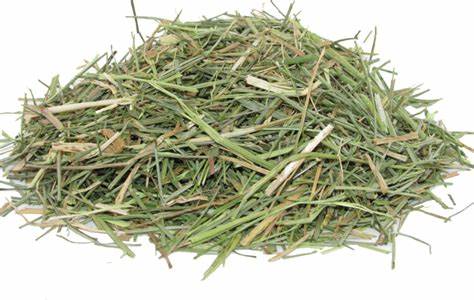
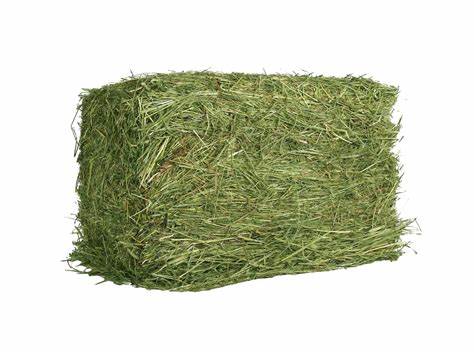
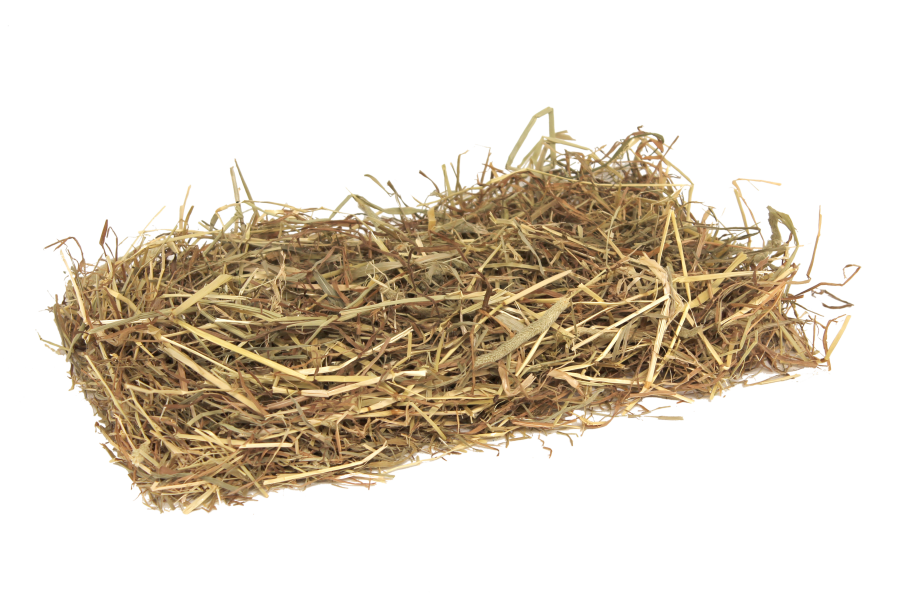
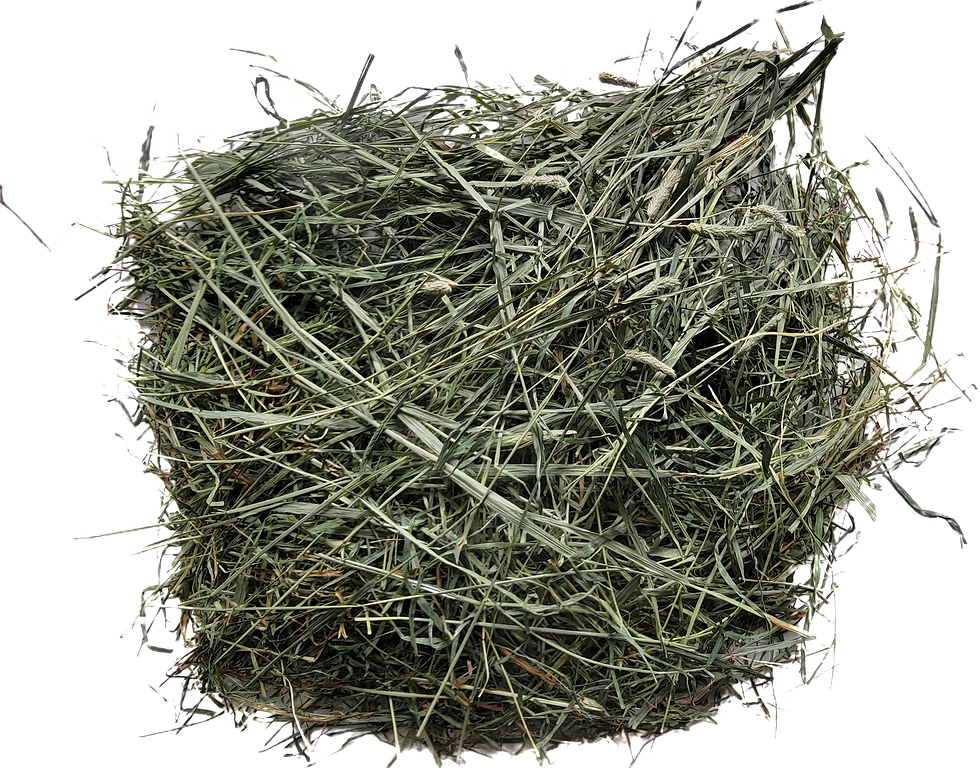
Meadow grass is a versatile cool-season grass hay providing essential fiber and energy for livestock nutrition.
Harvested from natural or cultivated grass meadows, offering economical roughage for ruminants and horses.
Contains moderate protein and energy levels suitable for maintenance and moderate production requirements.
Excellent source of digestible fiber supporting proper rumen function and digestive health in livestock.
Our meadow grass hay is properly cured and stored to deliver consistent quality for reliable animal performance.

Free Shipping
We’re taking the extra cost out of your cart. Enjoy Free Standard Shipping on every order – no minimum purchase, no coupon code needed. Just the products you love, delivered right to your door for the price you see.

Products Guaranty
At Blue Compost Investments, we stand behind every product we deliver. Our Products Guaranty ensures that you receive only high-quality, reliable items or we make it right.
Quality Meadow Grass Hay for Dependable Livestock Nutrition
Meadow grass hay represents one of the most traditional and economical forage sources available to livestock producers, providing essential roughage that forms the foundation of natural ruminant diets. At Blue Compost Investments, we supply quality meadow grass hay harvested from well-managed grasslands and properly cured to preserve nutritional value and palatability. Whether you’re maintaining beef cattle through winter months, feeding horses requiring steady energy sources, or supporting dairy operations with cost-effective fiber, our meadow grass hay delivers the reliable nutrition that successful livestock management demands.
Unlike single-species grass stands or legume forages, meadow grass hay typically consists of mixed grass species that naturally grow together in pasture and meadow ecosystems. This botanical diversity often includes timothy, orchardgrass, bromegrass, fescue, and various other grasses depending on regional growing conditions and management practices. The varied species composition creates nutritional balance and provides resilience against environmental stresses that might affect monoculture grass stands.
The harvest and preservation of quality meadow grass requires careful attention to maturity stage, weather conditions, and curing practices that capture nutritional value while preventing spoilage. Grass hay cut at the optimal vegetative to early heading stage balances yield with quality, providing digestible fiber and moderate energy levels suitable for diverse livestock applications. Our suppliers understand these critical harvest parameters and employ proven techniques that consistently deliver hay meeting the quality standards livestock producers expect.
Nutritional Profile and Feeding Characteristics
Meadow grass hay provides moderate nutritional density well-suited for livestock in maintenance or moderate production states. Crude protein content typically ranges from 8-12% depending on grass species composition, maturity at harvest, and soil fertility. While lower than legume hays, this protein level adequately meets requirements for dry cows, growing replacement heifers, horses in light work, and other animals not facing peak nutritional demands.
The energy concentration in quality meadow grass hay supports maintenance requirements and moderate production levels through digestible fiber and non-structural carbohydrates. Total digestible nutrients generally range from 50-58% in well-made grass hay, providing metabolizable energy that fuels basic body functions and supports reasonable levels of productive activity. Grass hay’s energy comes primarily from structural carbohydrates—cellulose and hemicellulose—that require microbial fermentation in the rumen or hindgut for nutrient extraction.
Fiber content represents meadow grass hay’s most significant nutritional contribution, with neutral detergent fiber levels typically falling between 55-65% of dry matter. This fiber provides the physical structure essential for proper rumen function in cattle, sheep, and goats, stimulating rumination and maintaining healthy digestive processes. Horses likewise benefit from grass hay’s fiber content, which supports hindgut fermentation and prevents digestive disorders associated with low-roughage diets.
Mineral content in meadow grass hay varies with soil fertility and plant species composition, generally providing adequate levels of phosphorus while calcium content remains moderate compared to legume forages. Trace mineral concentrations depend heavily on soil conditions and fertilization practices, often requiring strategic supplementation to meet livestock requirements fully. Vitamin content includes reasonable carotene levels in properly cured green hay, though sun-bleached or weathered hay loses vitamin potency significantly.
Grass Species and Botanical Composition
Timothy Grass Component
Timothy grass frequently appears as a major component in quality meadow grass hay, particularly in northern regions where cool-season grasses thrive. Timothy produces fine stems, abundant leaves, and maintains relatively low lignin content when harvested at appropriate maturity. Livestock show good palatability acceptance of timothy, and its digestibility ranks favorably among grass species. The late maturation of timothy compared to some grasses allows flexible harvest timing without excessive quality loss.
Timothy’s nutritional profile includes moderate protein and energy levels well-suited for horses, making timothy-rich meadow hay particularly desirable in equine markets. The grass responds favorably to proper fertility management, producing increased yields and improved nutritional quality under optimal growing conditions. Timothy stands persist for multiple years under good management, providing reliable forage production across seasons.
Orchardgrass Presence
Orchardgrass contributes valuable characteristics to meadow grass hay mixtures, including early spring growth that allows timely first cutting. The species produces relatively high yields with good regrowth potential supporting multiple harvests annually. Orchardgrass maintains reasonable quality across a broader maturity range than some grasses, offering harvest flexibility valuable in variable weather conditions.
Nutritional quality of orchardgrass ranks well among common grass species, with protein and energy levels supporting diverse livestock applications. Palatability generally meets or exceeds other grass species, encouraging consistent intake in livestock. The grass adapts to various soil types and growing conditions, contributing to meadow hay production across diverse agricultural regions.
Bromegrass and Fescue Species
Smooth bromegrass and various fescue species commonly appear in meadow grass hay, particularly in regions where environmental conditions favor these hardy grasses. Bromegrass produces substantial yields with good nutritional value when properly managed and harvested at optimal maturity. Fescue species vary in feeding value, with tall fescue requiring particular attention to endophyte infection that can negatively impact livestock performance.
Both bromegrass and fescue offer persistence and durability in grassland ecosystems, maintaining productivity across years with relatively minimal inputs. Their deep root systems provide drought tolerance valuable in regions experiencing periodic moisture stress. When managed appropriately and harvested timely, these grasses contribute meaningfully to quality meadow hay production.
Livestock Feeding Applications
Beef Cattle Winter Feeding
Beef producers rely heavily on grass hay for winter feeding programs that maintain cow body condition through cold months when pasture availability ceases. Meadow grass hay provides the roughage foundation for beef cow diets, meeting maintenance requirements and supporting gestation in pregnant cows. The moderate nutritional density suits dry and early-gestation cows economically, while late-gestation and lactating cows benefit from strategic protein or energy supplementation.
Growing replacement heifers utilize grass hay effectively, particularly when supplemented appropriately to achieve target growth rates preparing them for breeding. Backgrounding operations feeding weaned calves often incorporate grass hay as the fiber source complemented by grain or protein supplements driving efficient gains. The economic advantages of grass hay compared to legume alternatives make it attractive for cost-conscious beef producers managing seasonal feeding requirements.
Dairy Cattle Roughage Source
Dairy operations utilize meadow grass hay as an economical fiber source for dry cows, replacement heifers, and as a component in lactating cow rations. Dry cow diets benefit from grass hay’s moderate energy and protein levels that maintain body condition without excessive nutrient intake potentially causing metabolic problems. Young stock growing through heifer development programs thrive on quality grass hay supplemented appropriately for age and target growth rates.
Lactating dairy cows can consume grass hay as part of mixed forage programs that combine legume hays or silages with grass roughage for balanced fiber and nutrient supply. The combination approach provides dietary variety while managing feed costs through strategic use of economical grass hay. Quality grass hay contributes valuable physically effective fiber essential for maintaining proper rumen function and preventing digestive disorders in high-producing cows. Our range of animal feed products includes complementary options for complete dairy nutrition.
Equine Nutrition Programs
Horse owners and stable managers value meadow grass hay as a staple forage meeting the roughage requirements central to equine digestive health. Mature horses in light to moderate work receive adequate nutrition from quality grass hay alone or with minimal grain supplementation. The steady energy release from grass hay fiber suits horses better than high-grain diets that risk digestive upset and behavioral problems associated with excessive starch intake.
Growing horses, pregnant mares, and lactating broodmares may require protein or energy supplementation beyond grass hay alone, but the forage provides essential fiber and baseline nutrition these animals need. According to equine nutrition research from institutions like Penn State Extension, grass hay forms the foundation of healthy horse diets across all management systems. Senior horses often thrive on grass hay when digestive function remains normal, though very old animals may require softer forages or processed feeds.
Palatability varies among grass hay sources, with horses showing preferences based on species composition, leaf-to-stem ratio, and overall quality. Most horses readily consume properly cured meadow grass hay, particularly when hay maintains its natural sweetness and aromatic qualities. Free-choice grass hay availability supports natural grazing behavior and prevents boredom-related vices in confined horses.
Small Ruminant Feeding
Sheep and goat producers utilize meadow grass hay extensively as the primary forage for diverse production systems. Meat sheep operations maintain breeding flocks economically on grass hay during non-grazing seasons, supplementing strategically during late gestation and lactation when nutrient demands increase. Market lamb finishing programs incorporate grass hay as the fiber source complemented by grain-based concentrates driving rapid growth rates.
Goat producers find grass hay valuable for fiber provision and ruminal health maintenance, though goats often show lower palatability acceptance compared to cattle or sheep. Dairy goat operations typically require higher-quality forages than grass hay alone can provide for peak lactation support, but grass hay serves well for dry does and young stock development. Meat goat production systems utilize grass hay effectively for breeding herd maintenance with strategic supplementation during critical production phases.
Harvest Management and Quality Determination
Optimal Cutting Stage
Grass hay quality peaks during vegetative to early heading growth stages before seed head emergence and stem lignification reduce digestibility. First cutting timing depends on grass species composition and spring weather patterns, typically occurring in late spring when grasses reach appropriate maturity. Delaying first cutting beyond optimal stage increases yield but sacrifices per-unit quality through increased fiber lignification and reduced protein concentration.
Second and subsequent cuttings offer opportunities for higher-quality hay production as regrowth tends toward vegetative growth with fewer reproductive stems. However, total seasonal yield decreases with more frequent cutting, requiring producers to balance cutting frequency against quality objectives and economic considerations. Climate, intended use, and market opportunities influence optimal harvest strategies for individual operations.
Field Curing Practices
Proper field curing transforms freshly cut grass into stable hay suitable for storage without spoilage or nutrient loss. Grass species generally cure faster than legumes due to finer stem diameter and lower moisture content at cutting. Tedding or raking accelerates drying by spreading swaths and exposing more surface area to sun and wind, though excessive handling increases leaf loss and quality reduction.
Target moisture for baling grass hay falls between 15-20%, allowing safe storage while minimizing mechanical losses during baling and handling. Modern hay production employs moisture meters verifying readiness for baling, preventing premature baling of wet hay risking spontaneous combustion or mold growth. Weather conditions during curing critically affect final quality, with extended rain or high humidity leaching nutrients and promoting microbial degradation that reduces feeding value.
Storage and Preservation
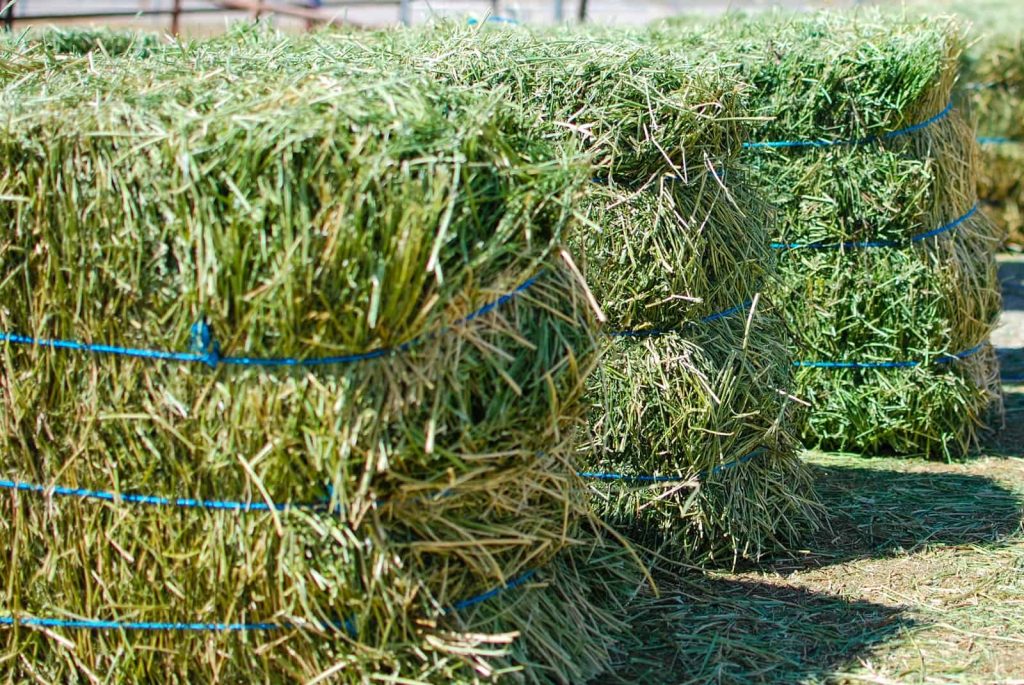
Protected storage preserves grass hay quality from harvest through feeding, preventing weather damage and nutrient deterioration. Barn storage provides optimal protection though requires significant capital investment and adequate ventilation preventing moisture accumulation. Outdoor storage under tarps or plastic wraps protects against precipitation while allowing some air exchange, offering compromise between full protection and open storage costs.
Stack configuration influences preservation quality through impacts on water shedding and air circulation. Round bales stored on end shed water more effectively than bales on their sides, while rectangular bale stacks benefit from slight crowning that directs water away from stack centers. Proper site selection with good drainage and elevation prevents ground moisture migration into lower bales causing spoilage.
Quality Evaluation and Selection
Visual Assessment
Evaluating grass hay begins with visual inspection examining color, texture, foreign material, and overall appearance. Quality grass hay exhibits green to light brown color indicating proper curing that preserved nutritional value. Severely bleached or dark brown hay suggests weather damage or heating during storage that reduced feeding quality. The presence of seed heads indicates maturity at cutting, with minimal seed development preferred for highest quality.
Leafiness affects palatability and nutritional concentration, as grass leaves contain more protein and digestibility than stems. Quality hay maintains good leaf retention despite mechanical handling during harvest and feeding operations. Stem texture provides maturity clues—fine, pliable stems indicate early cutting while coarse, rigid stems suggest delayed harvest beyond optimal quality.
Cleanliness and Foreign Material
Freedom from weeds, dirt, and foreign objects represents essential quality factors affecting both nutritional value and livestock safety. Excessive weed content dilutes nutritional quality and may introduce toxic plants hazardous to animals. Dirt and soil contamination reduce nutrient concentration, increase ash content, and create potential health problems. Quality meadow grass hay contains minimal non-grass material, indicating well-managed fields and proper harvest techniques.
Mold and dust levels indicate storage conditions and hay handling practices affecting livestock health. Moldy hay threatens respiratory health and may contain mycotoxins causing various health problems. Dusty hay irritates airways in both livestock and handlers, reducing palatability and potentially causing respiratory disease. Premium hay exhibits fresh aroma without musty odors suggesting mold growth or fermentation.
Laboratory Testing
Chemical analysis provides objective quality measurements beyond visual assessment capabilities. Crude protein testing quantifies protein concentration essential for diet formulation and economic evaluation. Fiber analysis measuring neutral detergent fiber and acid detergent fiber predicts digestibility and intake potential more accurately than visual inspection alone. Energy calculations based on fiber fractions estimate total digestible nutrients and relative feed value useful for comparing hay lots.
Economic Value and Cost Considerations
Meadow grass hay typically commands lower prices per ton than legume hays reflecting its moderate nutritional density. However, economic value should be assessed on cost per unit of nutrients delivered rather than price per ton alone. Quality grass hay often provides excellent value for livestock in maintenance or moderate production states where premium legume hay quality exceeds requirements unnecessarily.
Seasonal price patterns influence optimal purchasing strategies, with harvest-time prices generally lower than mid-winter costs when supplies tighten. Producers with adequate storage capture economic benefits through harvest-time purchases at favorable prices. Smaller operations without storage capability may purchase grass hay as needed despite higher per-unit costs, balancing pricing against storage investment requirements.
Quality assessment skills enable producers to identify superior value opportunities where hay quality exceeds price paid. Understanding the relationship between visual quality indicators and actual feeding value helps avoid overpaying for appearance while recognizing undervalued quality hay offering exceptional returns.
Environmental Benefits and Sustainable Production
Grassland ecosystems provide environmental services beyond forage production including soil conservation, water quality protection, and wildlife habitat. Perennial grass stands protect soil from erosion through year-round ground cover and deep root systems binding soil particles. Grasslands filter runoff and sequester carbon in soil organic matter, contributing to climate change mitigation efforts.
Well-managed grass hay production maintains diverse plant communities supporting beneficial insects, ground-nesting birds, and small wildlife populations. Strategic harvest timing avoiding critical nesting periods balances agricultural productivity with wildlife conservation. These ecological benefits align with consumer expectations for environmentally responsible agricultural production supporting sustainable food systems.
Partner with Blue Compost Investments for Reliable Grass Hay
Consistent access to quality meadow grass hay from dependable suppliers ensures your livestock receive the nutrition they need throughout the feeding season. We work with experienced hay producers who understand proper harvest timing, employ effective curing practices, and maintain storage conditions preserving hay quality. Our commitment to quality and customer service means you receive hay meeting your specifications with reliable delivery that keeps your operation running smoothly.
Whether you need large quantities for commercial livestock operations or smaller volumes for farm-scale feeding, our flexible supply arrangements accommodate diverse customer requirements. Contact us today to discuss your meadow grass hay needs and discover how quality forage supports animal health, performance, and operational profitability in your livestock enterprise.
You must be logged in to post a review.
Reviews
Clear filtersThere are no reviews yet.