



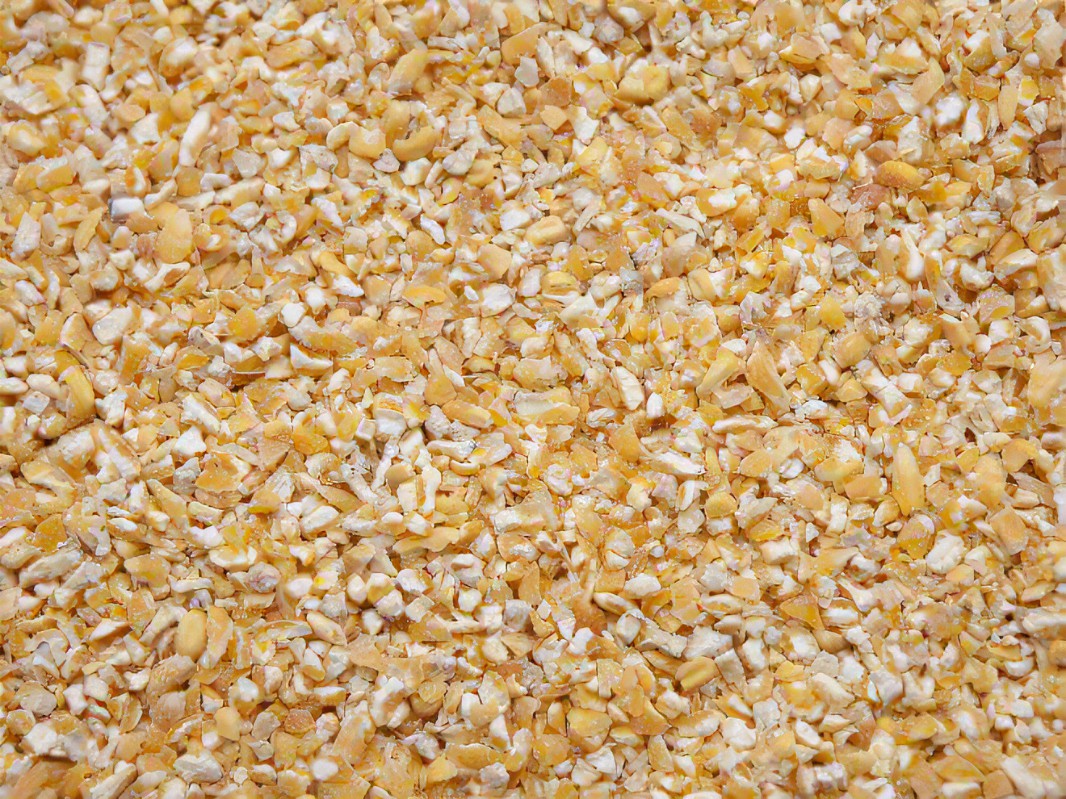
Crack | Whole Yellow Corn For Feed
Yellow corn is a staple energy-rich grain widely used in animal feed formulations across all livestock species.
Available in both cracked and whole kernel forms to suit different animal types and feeding systems.
Provides high levels of digestible carbohydrates and energy essential for animal growth and production.
Rich in starch, moderate protein content, and contains valuable carotenoids that enhance egg yolk and skin pigmentation.
Our feed-grade yellow corn meets strict quality standards ensuring optimal nutritional value and safety for livestock.

Free Shipping
We’re taking the extra cost out of your cart. Enjoy Free Standard Shipping on every order – no minimum purchase, no coupon code needed. Just the products you love, delivered right to your door for the price you see.

Products Guaranty
At Blue Compost Investments, we stand behind every product we deliver. Our Products Guaranty ensures that you receive only high-quality, reliable items or we make it right.
Premium Quality Yellow Corn for Superior Animal Nutrition
Yellow corn stands as the cornerstone energy ingredient in animal feed formulations worldwide, delivering exceptional nutritional value and palatability that makes it indispensable across all livestock production systems. At Blue Compost Investments, we supply premium feed-grade yellow corn in both cracked and whole kernel forms, catering to the diverse needs of poultry producers, cattle ranchers, swine operations, and other livestock enterprises. Our yellow corn is carefully sourced, processed, and quality-controlled to ensure consistent nutritional composition and freedom from contaminants that could compromise animal health or performance.
The versatility of yellow corn in animal nutrition stems from its excellent energy density, high palatability, and balanced nutrient profile. Whether you’re formulating complete mixed rations for dairy cattle, creating custom poultry feeds, or supplementing pasture-based beef operations, yellow corn provides the metabolizable energy foundation that drives animal productivity. The choice between cracked and whole corn depends on the target animal species, digestive physiology, and feeding management system employed on your operation.
Cracked corn offers improved digestibility for animals with simpler digestive systems, while whole corn kernels benefit ruminants by promoting rumination and providing slower energy release. Our processing facilities maintain strict quality control throughout handling, storage, and distribution to preserve the nutritional integrity and freshness that distinguish premium feed ingredients from commodity-grade alternatives.
Nutritional Composition and Energy Value
Yellow corn’s reputation as an energy powerhouse in animal nutrition is well-deserved, with metabolizable energy values typically ranging from 3,200 to 3,400 kcal/kg depending on processing and animal species. The predominant nutrient in corn is starch, comprising approximately 70-72% of the kernel on a dry matter basis. This starch exists in a highly digestible form that efficiently converts to glucose in the animal’s digestive system, providing readily available energy for maintenance, growth, lactation, and other productive functions.
The protein content of yellow corn averages 8-10% crude protein, which while moderate compared to protein supplements like soybean meal, contributes meaningfully to overall diet protein supply. Corn protein is somewhat deficient in the essential amino acid lysine, necessitating complementary protein sources in balanced feed formulations. However, corn does provide reasonable levels of methionine, making it a valuable component in least-cost feed formulation strategies.
Yellow corn contains approximately 3-4% crude fat, primarily in the form of unsaturated fatty acids including linoleic acid. This fat content contributes additional energy density and improves diet palatability while providing essential fatty acids for various physiological functions. The oil fraction in corn also serves as a carrier for fat-soluble vitamins and enhances the absorption of carotenoid pigments that give yellow corn its characteristic color.
One of the distinctive nutritional attributes of yellow corn is its carotenoid content, particularly beta-carotene and xanthophyll pigments. These natural colorants accumulate in egg yolks, producing the rich golden-yellow color preferred by consumers in many markets. Poultry producers raising broiler chickens benefit from xanthophylls that enhance skin pigmentation, commanding premium prices for birds with desirable coloration. Our yellow corn maintains high pigmentation levels through proper storage and handling practices that protect these light-sensitive compounds.
Applications in Poultry Nutrition
Layer Hen Feed Formulations
Yellow corn forms the primary energy ingredient in commercial layer feed formulations, typically comprising 50-65% of the total diet. The energy provided by corn supports the metabolic demands of daily egg production while the xanthophyll pigments naturally enhance yolk color without synthetic additives. Layer producers appreciate corn’s palatability, which encourages consistent feed intake essential for maintaining steady egg production throughout the laying cycle.
Cracked corn is generally preferred over whole kernels for layer diets, as the reduced particle size improves mixing uniformity in feed manufacturing and enhances digestibility. The degree of cracking can be adjusted based on bird age and beak condition, with finer particles suitable for younger pullets and coarser cracks acceptable for mature hens. At Blue Compost Investments, our cracked corn specifications are optimized for poultry feeding applications.
Broiler Production Systems
Broiler chickens grown for meat production receive diets heavily based on yellow corn, often constituting 55-70% of feed formulations depending on nutritional phase and local ingredient availability. The rapid growth rate required in modern broiler production demands high-energy feeds that corn efficiently provides. Starter, grower, and finisher diets all incorporate substantial corn levels, with adjustments made to protein, vitamin, and mineral supplementation as birds age.
The pigmentation properties of yellow corn contribute to the desired skin color in processed broiler carcasses, enhancing consumer appeal and market value. Producers in regions where yellow-skinned chickens command premiums rely on corn’s natural pigmenting ability rather than synthetic alternatives. Feed conversion efficiency—a critical economic factor in broiler production—benefits from corn’s high digestibility and energy concentration.
Ruminant Feeding Applications
Dairy Cattle Energy Supplementation
Dairy producers utilize yellow corn extensively as an energy source for lactating cows, with corn appearing in both concentrate mixes and total mixed rations. High-producing dairy cows require energy-dense diets to support milk synthesis, and corn’s starch content efficiently meets these demands. The form of corn fed to dairy cattle influences its site and rate of digestion, with important implications for milk production and composition.
Cracked or rolled corn increases starch digestibility in the rumen, providing readily fermentable carbohydrates that support microbial protein synthesis. However, excessive ruminal starch fermentation can lead to acidosis, necessitating careful diet formulation and feed management. Whole corn kernels digest more slowly, with a portion passing to the small intestine where starch is directly absorbed as glucose. Strategic use of different corn processing methods allows nutritionists to optimize energy delivery for specific production scenarios.
Corn silage—while distinct from dry grain—represents another form in which dairy cattle consume corn. However, supplementation with dry corn grain often complements corn silage-based rations, particularly during high-production phases or when forage quality limits energy intake.
Beef Cattle Finishing Operations
Feedlot finishing of beef cattle relies heavily on high-corn diets to achieve rapid weight gain and desirable carcass marbling. Finishing rations may contain 70-85% corn on a dry matter basis, providing the energy density necessary for efficient feed conversion and fat deposition. According to research from institutions like Iowa State University Extension, corn-based finishing diets consistently produce high-quality beef with superior marbling grades.
Processing method significantly impacts corn utilization in beef cattle. Whole corn can be fed to cattle, who chew kernels more thoroughly than smaller livestock, achieving reasonable digestibility. However, dry rolling, steam flaking, or high-moisture processing typically improves starch availability and feed conversion efficiency. Many feedlot operators choose processing methods based on equipment availability, corn cost, and performance objectives.
Backgrounding operations and cow-calf producers also utilize corn supplementation strategically, particularly during periods of poor forage quality or when accelerated growth is economically justified. Corn supplementation on pasture provides energy that complements the protein-rich but energy-limited forages common in many grazing systems.
Swine Nutrition Programs
Pigs of all ages benefit from yellow corn inclusion in their diets, with corn serving as the primary energy source throughout the production cycle. Nursery pig diets typically contain 40-50% corn, increasing to 60-75% in grower-finisher diets as the animals’ digestive capacity matures. Corn’s palatability encourages feed intake in newly weaned pigs navigating the stressful transition from milk to solid feed.
The digestible energy value of corn for swine ranks among the highest of all feed ingredients, supporting efficient lean muscle growth when balanced with adequate protein and amino acid supplementation. Modern swine genetics require precision nutrition to achieve optimal feed conversion ratios, and corn’s consistent nutritional profile makes it an ideal foundation for least-cost feed formulation.
Cracked corn is generally preferred over whole kernels for swine feeding, as pigs’ dental anatomy and digestive physiology favor reduced particle sizes. Fine grinding can be used for very young pigs, while coarser cracking suffices for finishing hogs. The degree of processing influences both nutrient digestibility and feed manufacturing characteristics.
Quality Specifications and Selection Criteria
Moisture Content and Storage Stability
Feed-grade yellow corn should contain no more than 14-15% moisture to ensure stable storage and prevent mold growth during holding periods. Excess moisture creates conditions favorable for fungal proliferation, potentially leading to mycotoxin contamination that poses serious health risks to livestock. Our yellow corn undergoes moisture testing upon receipt and throughout storage to maintain quality and safety standards.
Proper storage facilities with adequate ventilation and temperature control prevent moisture accumulation and heat generation within corn masses. Aeration systems help maintain uniform conditions throughout storage bins, reducing spoilage risk and preserving nutritional value. We recommend regular monitoring of stored corn for any signs of heating, off-odors, or visible mold that would indicate quality deterioration.
Physical Quality and Cleanliness
Premium feed-grade corn exhibits good kernel integrity with minimal damage, foreign material, and broken kernels. Test weight—a measure of grain density—serves as an indicator of kernel soundness and feeding value, with heavier test weights generally correlating with higher nutritional quality. Our yellow corn meets or exceeds industry standards for physical quality, ensuring you receive full feeding value for your investment.
Foreign material including dirt, plant debris, and other grains should be minimal in quality corn shipments. Excessive foreign matter dilutes nutritional value, introduces potential contaminants, and creates handling problems in feed manufacturing equipment. Screening and cleaning processes remove undesirable materials, delivering clean corn ready for incorporation into feed formulations.
Mycotoxin Testing and Food Safety
Mycotoxins produced by mold growth on corn pose significant hazards to animal health, productivity, and food safety. Aflatoxins, fumonisins, vomitoxin, and zearalenone represent the primary mycotoxins of concern in corn-based feeds, with varying sensitivity across animal species. Poultry are particularly susceptible to aflatoxin, while swine show high sensitivity to fumonisin and vomitoxin.
We implement comprehensive mycotoxin testing protocols on all corn lots, rejecting or diverting shipments that exceed safe thresholds for animal feeding. This vigilant quality control protects your livestock from mycotoxin-induced health problems and production losses while safeguarding the safety of animal-derived food products entering the human food chain.
Economic Advantages and Feed Efficiency
Yellow corn’s widespread use in animal agriculture reflects not only its nutritional attributes but also its favorable economics. In most regions, corn provides energy at a lower cost per calorie than alternative grain sources, making it the ingredient of choice for cost-effective feed formulation. The abundant global corn supply and well-established distribution networks ensure reliable availability at competitive prices.
Feed conversion efficiency—the amount of feed required to produce a unit of animal product—directly impacts profitability in livestock operations. Corn’s high energy digestibility and palatability contribute to improved feed conversion ratios across all species. When corn is properly complemented with protein sources, vitamins, and minerals, animals achieve their genetic potential for growth, production, and efficiency.
Beyond direct feeding value, corn offers handling and storage advantages compared to some alternative grains. Its hardness and kernel size facilitate mechanical handling, while its storage stability allows for seasonal purchasing strategies that capture favorable pricing opportunities.
Processing Options and Feed Manufacturing
The physical form in which corn is fed influences its nutritional availability and suitability for different animal types. Whole corn kernels maintain maximum stability during storage but require adequate chewing or grinding in the animal’s digestive system. Ruminants handle whole corn reasonably well, while poultry and swine benefit from kernel size reduction.
Cracked corn represents a middle ground between whole kernels and finely ground meal, offering improved digestibility while maintaining some physical structure. Various cracking methods produce different particle size distributions, allowing feed manufacturers to optimize for specific applications. Coarse cracking works well for cattle and mature poultry, while finer cracks suit young birds and swine.
Steam flaking, a more advanced processing method, gelatinizes corn starch through moisture and heat treatment followed by rolling. This process maximizes starch digestibility, particularly valuable in high-performance feeding programs where every percentage point of feed efficiency matters. While requiring specialized equipment, steam flaking delivers premium nutritional value from corn.
Sustainable Production and Global Supply
Yellow corn production represents one of agriculture’s success stories in terms of yield improvement, resource efficiency, and environmental stewardship. Modern corn genetics, precision agriculture techniques, and sustainable farming practices have steadily increased yields while reducing per-bushel resource inputs. This productivity supports affordable animal protein production worldwide while maintaining agricultural sustainability.
As global meat, milk, and egg demand continues rising with population growth and economic development, corn’s role in efficient livestock production becomes increasingly vital. The crop’s adaptability to diverse growing conditions, ability to respond to improved management, and suitability for mechanized production ensure its continued prominence in animal agriculture.
Partner with Blue Compost Investments for Quality Yellow Corn
Selecting a reliable supplier for your corn feeding needs is essential for maintaining consistent animal performance and operational success. Blue Compost Investments combines quality products, competitive pricing, dependable logistics, and technical support to serve livestock producers of all scales. Whether you need bulk shipments for commercial operations or smaller quantities for farm feeding, we provide the flexibility and service that builds lasting partnerships.
Our commitment to quality extends beyond the product itself to encompass customer support, nutritional consultation, and problem-solving assistance when feeding challenges arise. We understand that your success depends on consistent access to quality feed ingredients delivered on schedule at fair prices. Contact us today to discuss your yellow corn requirements and experience the difference that a quality-focused supplier makes in your operation’s productivity and profitability.
You must be logged in to post a review.


Reviews
Clear filtersThere are no reviews yet.