



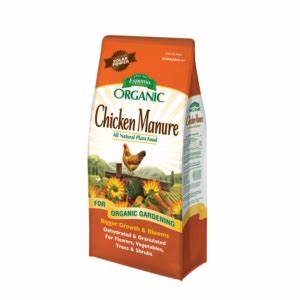
Chicken Litter
Chicken litter is nitrogen-rich animal bedding and manure combination providing concentrated nutrients for agricultural soil enrichment.
Our premium chicken litter contains excellent nitrogen, phosphorus, and potassium concentrations supporting vigorous plant growth.
Blue Compost Investments sources chicken litter from certified sustainable poultry operations maintaining strict quality control standards.
Natural chicken litter supports sustainable agriculture practices while providing cost-effective nutrient supplementation for farms and gardens.
Quality chicken litter bulk delivery provides concentrated fertilizer benefits for field crops, pastures, and landscaping projects nationwide.

Free Shipping
We’re taking the extra cost out of your cart. Enjoy Free Standard Shipping on every order – no minimum purchase, no coupon code needed. Just the products you love, delivered right to your door for the price you see.

Products Guaranty
At Blue Compost Investments, we stand behind every product we deliver. Our Products Guaranty ensures that you receive only high-quality, reliable items or we make it right.
Complete Guide to Premium Chicken Litter for Agricultural Productivity and Soil Enhancement
Chicken litter represents one of the most nutrient-dense animal-based fertilizers available to modern agricultural operations worldwide. This combination of chicken manure and bedding materials delivers exceptional nitrogen concentrations alongside substantial phosphorus and potassium content, providing comprehensive nutrition supporting vigorous crop growth and soil development. Blue Compost Investments specializes in sourcing premium chicken litter from certified sustainable poultry operations committed to animal welfare and environmental responsibility. Our chicken litter products provide optimal solutions for farmers, ranchers, gardeners, and environmental stewards seeking natural, cost-effective nutrient sources while maintaining soil health and long-term agricultural productivity.
Understanding Chicken Litter Composition and Nutrient Profile
Chicken litter comprises poultry manure combined with bedding materials including wood shavings, straw, or other absorbent substrates. Premium chicken litter typically delivers nitrogen concentrations ranging from 3-4%, substantially exceeding grass hay or most other manure products. Phosphorus content ranges from 2-3%, while potassium concentrations reach 1.5-2.5%, depending on poultry diet composition and bedding material ratios.
The exceptionally high nitrogen content in chicken litter reflects concentrated urine components in poultry excrement combined with rapid microbial activity. This intensive nutrient density provides rapid plant-available nitrogen supporting vigorous vegetative growth, particularly valuable for nitrogen-demanding crops. The balanced presence of phosphorus and potassium alongside nitrogen nitrogen establishes comprehensive nutrient profiles supporting complete plant nutrition without requiring supplemental fertilizers.
Organic Matter and Biological Enhancement Characteristics
Chicken litter organic matter content typically ranges from 30-40%, depending on bedding material composition and age. This substantial organic matter concentration improves soil structure, enhances water-holding capacity, and supports beneficial soil microbial development. The bedding components in chicken litter provide diverse carbon sources supporting heterotrophic microbial communities essential for soil biological function.
The microbial activity present in fresh chicken litter initiates continued decomposition upon soil incorporation, supporting sustained nutrient release throughout growing seasons. Beneficial soil organisms including bacteria, fungi, and earthworms colonize chicken litter materials, establishing vibrant soil ecosystems supporting plant health and disease suppression naturally. The biological activity generated by chicken litter application establishes self-sustaining soil processes requiring minimal external inputs.
Blue Compost Investments Chicken Litter Excellence Standards
Our commitment to chicken litter quality extends throughout sourcing, processing, and quality assurance stages. Blue Compost Investments partners with certified sustainable poultry operations maintaining rigorous animal welfare standards and environmental stewardship commitments. Our chicken litter source operations provide only organic feed, clean water, and humane living conditions aligned with sustainable agriculture principles.
Each chicken litter batch undergoes careful composting or aging processes reducing pathogen populations and stabilizing nutrient content. The aging methodology employed at Blue Compost Investments facilities manages moisture content, temperature, and pile turning optimizing decomposition while maximizing nutrient preservation. Comprehensive testing confirms nutrient content, moisture levels, pathogen elimination, and absence of contaminants ensuring consistent quality meeting agricultural standards.
Pathogen Reduction and Food Safety Compliance
Chicken litter processing at Blue Compost Investments emphasizes pathogen elimination critical for food safety compliance and crop protection. Extended composting at elevated temperatures exceeding 130°F for sustained periods eliminates pathogenic organisms including Salmonella, E. coli, and other bacteria threatening crop safety or consumer health. Regular temperature monitoring and pile management ensure complete pathogen elimination throughout composting processes.
The aged chicken litter products distributed by Blue Compost Investments meet regulatory requirements for food crop applications, supporting vegetable producers seeking natural nitrogen sources compliant with food safety standards. Comprehensive documentation accompanies each chicken litter shipment, verifying safety testing and supporting buyer confidence in product quality.
Chicken Litter Applications Across Agricultural Systems
Vegetable and Market Garden Production: Chicken litter serves as primary nitrogen source for vegetable operations requiring intensive nutrient supplementation. Vegetables develop superior yields and quality when grown in chicken litter-amended soils, with nitrogen availability supporting robust vegetative growth. Regular chicken litter applications establish nitrogen-rich soils supporting consistent productivity across multiple growing seasons.
Field Crop and Grain Production: Commodity crop operations utilize chicken litter for comprehensive nutrient management supporting crop quality and yield. Corn, wheat, and other grain crops respond dramatically to chicken litter nitrogen availability, developing robust growth and maximizing yield potential. Chicken litter applications prove particularly valuable in rotational systems reducing synthetic fertilizer dependence.
Pasture and Forage Production: Forage crops support superior nutritional profiles when grown in chicken litter-amended soils. Nitrogen-enhanced pastures develop denser vegetation, improved digestibility, and higher nutritional concentration supporting livestock productivity. Rotational grazing systems benefit from chicken litter applications supporting persistent pasture improvement and soil health enhancement.
Turf and Landscape Management: Ornamental landscapes, sports fields, and golf courses utilize chicken litter for sustainable turf establishment supporting dense, healthy grass development. Nitrogen from chicken litter supports vigorous turf growth and deep green coloration without synthetic chemical dependence. For comprehensive sustainable turf management information, consult resources from the Golf Course Superintendents Association regarding nutrient management and environmental stewardship.
Fruit and Tree Crop Production: Perennial fruit operations benefit substantially from chicken litter applications supporting flowering, fruiting, and overall productivity. Nitrogen supplied through chicken litter supports vegetative growth during establishment phases while balanced phosphorus and potassium content encourages reproductive success. Aged chicken litter applications prove particularly valuable for sustainable orchard management.
Hay and Silage Production: Forage crop producers utilize chicken litter for nitrogen supplementation supporting high-quality hay and silage production. Enhanced nitrogen availability increases forage protein content, improving livestock nutrition and production performance. Chicken litter applications support multiple cuttings of high-quality forage per growing season.
Nitrogen Availability and Plant Growth Optimization
Nitrogen represents the most abundant nutrient required by plants, supporting chlorophyll synthesis, protein formation, and vigorous vegetative growth. Nitrogen-deficient plants exhibit yellowing foliage, stunted growth, and reduced productivity indicating deficiency requiring immediate correction. Chicken litter nitrogen availability supports rapid correction of deficiency conditions while preventing future nitrogen limitation.
The nitrogen in chicken litter exists in multiple forms including immediately available ammonium, organic-bound nitrogen requiring microbial conversion, and intermediate forms providing sustained availability. This multi-form nitrogen composition supports both rapid growth response and sustained nutrient availability throughout extended growing seasons. The timing of nitrogen release from chicken litter matches plant growth demands, minimizing leaching losses common with soluble synthetic nitrogen fertilizers.
Phosphorus and Potassium Benefits for Complete Plant Nutrition
Phosphorus present in chicken litter supports root development, energy metabolism, and reproductive function critical for flowering and fruiting crops. Adequate phosphorus nutrition develops extensive root systems accessing water and nutrients from deeper soil layers. Flowering and fruiting processes depend fundamentally on phosphorus availability, making chicken litter supplementation valuable for seed and fruit production.
Potassium in chicken litter regulates plant water relationships, enzyme activation, and disease resistance supporting stress tolerance and overall plant health. Enhanced potassium nutrition reduces disease incidence through multiple mechanisms including strengthened cell walls and improved photosynthetic efficiency. Crops grown with adequate chicken litter-supplied potassium demonstrate superior stress tolerance and yield stability across variable weather conditions.
Chicken Litter Chemistry and Soil Interaction Mechanisms
Chicken litter nitrogen content includes labile ammonia volatilizing rapidly upon exposure to air, particularly critical when litter remains surface-applied without incorporation. Incorporating chicken litter into soil within 24-48 hours of application minimizes ammonia losses while increasing nutrient retention and plant availability. Moisture management during chicken litter application and incorporation optimizes nutrient preservation and plant uptake.
Chicken litter phosphorus and potassium exist in bioavailable forms immediately accessible to plants upon soil contact. The bedding materials in chicken litter provide carbon sources supporting heterotrophic microbial development that enhances nutrient cycling and transformation. Microbial communities established in chicken litter-amended soils accelerate organic matter decomposition, releasing sequestered nutrients supporting plant development throughout growing seasons.
Ammonia Management and Environmental Considerations
Fresh chicken litter ammonia content requires careful management to prevent gaseous losses and environmental impacts. Timely soil incorporation eliminates ammonia volatilization losses while preventing atmospheric ammonia contamination. Moisture maintenance during chicken litter application and incorporation enhances nitrogen retention. Irrigation following chicken litter application and incorporation promotes rapid ammonium sorption to soil colloids preventing volatilization losses.
In confined operations or intensive agricultural areas, chicken litter ammonia content requires environmental management preventing neighbor impact. Proper timing of chicken litter applications, adequate spacing from residential areas, and incorporation practices minimize ammonia-related complaints. Communication with surrounding properties regarding application timing allows community-compatible management practices.
Heavy Metal and Contaminant Monitoring
Blue Compost Investments chicken litter sourcing emphasizes contaminant monitoring verifying absence of heavy metals or prohibited substances. Poultry operations providing chicken litter for Blue Compost Investments maintain feed quality standards preventing heavy metal accumulation in bird tissues. Regular testing confirms chicken litter safety regarding arsenic, cadmium, lead, and other heavy metals threatening crop or consumer health.
Sustainable poultry operations providing chicken litter sources employ responsible waste management preventing contamination from plastic, metals, or other foreign materials. Comprehensive screening before chicken litter distribution ensures product purity and safety for all agricultural applications.
Chicken Litter Application Rates and Best Management Practices
Optimal chicken litter application rates depend on soil testing results, crop requirements, and nitrogen depletion levels. Initial applications for nitrogen-deficient soils typically range from 2-4 tons per acre, providing substantial nitrogen supplementation. Maintenance applications of 1-2 tons per acre annually replenish nitrogen depletion supporting sustained productivity.
Vegetable gardens benefit from 500-1000 pounds per 1000 square feet initially, with 200-400 pounds per 1000 square feet applied annually. Incorporate chicken litter into soil within 48 hours of application, minimizing ammonia losses and optimizing nutrient availability. Water applied areas establishing soil moisture supporting nutrient transformation and plant uptake. Conduct soil testing regularly monitoring nitrogen levels and adjusting chicken litter applications maintaining optimal nutrition.
Storage and Handling Considerations
Store chicken litter in dry locations with adequate roof protection preventing water saturation that creates anaerobic conditions and nutrient losses. Proper storage maintains chicken litter quality indefinitely, allowing flexible application scheduling. Maintain separation between chicken litter storage and water sources protecting groundwater from nutrient runoff.
Handle chicken litter using standard agricultural equipment including spreaders, dump trucks, or manual distribution methods. Wear dust and odor protection when handling chicken litter, minimizing inhalation exposure during application activities. Implement inventory tracking ensuring timely utilization and preventing excessive storage periods that degrade product characteristics.
Properly stored chicken litter maintains quality for extended periods, accommodating seasonal application flexibility and operational requirements. No special storage infrastructure required compared to many synthetic fertilizer management systems.
Environmental and Agronomic Benefits
Chicken litter utilization provides substantial environmental advantages compared to synthetic nitrogen fertilizer dependence. Reduced synthetic nitrogen fertilizer applications dramatically decrease greenhouse gas emissions associated with fossil fuel-intensive fertilizer manufacturing. Decreased nutrient runoff from farms utilizing chicken litter protects water quality, preventing eutrophication and algal bloom formation threatening aquatic ecosystem health.
Chicken litter applications support sustainable poultry operations economically, creating market value for byproducts while reducing disposal costs. Supporting sustainable poultry farming practices maintains rural communities and agricultural landscapes providing critical ecosystem services.
Bulk Ordering and Convenient Delivery Solutions
Blue Compost Investments offers convenient chicken litter ordering through our comprehensive shop page, featuring premium chicken litter varieties and bulk sizing options. Our agricultural specialists provide professional consultation assisting customers in developing customized chicken litter application plans for specific crop and soil requirements. Bulk chicken litter orders qualify for competitive pricing and flexible delivery scheduling, accommodating farm operations of all sizes and seasonal application windows.
Premium chicken litter represents essential investment supporting sustainable agriculture, cost-effective nutrient management, and long-term soil productivity. Trust Blue Compost Investments for reliable, quality chicken litter backed by agricultural expertise and environmental commitment.
You must be logged in to post a review.


Reviews
Clear filtersThere are no reviews yet.