Why Mung Beans Deserve a Place in Every Kitchen
Small but mighty, mung beans have nourished Asian populations for thousands of years and are now gaining recognition worldwide as a nutritional superfood. These vibrant green legumes offer something truly special—quick cooking times, exceptional digestibility, sprouting versatility, and cooling properties that make them perfect for hot climates. At Blue Compost Investments, we’re excited to bring you premium mung beans that open doors to culinary traditions spanning India to China, Thailand to the Philippines, while fitting perfectly into contemporary health-focused lifestyles.
Unlike heavier beans that require extended soaking and cooking, mung beans are refreshingly easy to work with. They cook in roughly 45 minutes without pre-soaking, sprout readily on your kitchen counter, and digest smoothly without the bloating sometimes associated with other legumes. Whether you’re exploring Asian cuisine, looking for easy-to-digest protein, or wanting to try your hand at sprouting, mung beans are your ideal starting point.
Ancient Wisdom Meets Modern Nutrition Science
Traditional Chinese Medicine and Ayurvedic practices have celebrated mung beans for millennia, recognizing their unique cooling energy (or “yin” nature) that helps balance heat in the body during summer months or hot conditions. Modern nutritional science now validates these ancient observations, showing that mung beans are indeed easier to digest than many legumes and contain compounds that support detoxification processes in the body.
Quick Nutrition Facts That Matter:
- 24g protein per 100g dried beans
- Rich in B-vitamins, especially folate
- Excellent source of manganese, magnesium, and iron
- Low glycemic index for stable blood sugar
- Contains resistant starch that feeds beneficial gut bacteria
Sprouting Magic: Growing Fresh Nutrition at Home
Here’s what makes mung bean sprouting so rewarding: No soil required, no green thumb needed, and fresh sprouts ready in 3-5 days right on your countertop. Mung bean sprouts are crunchy, refreshing, and multiply the nutritional value of the dried beans—vitamin C content increases dramatically during sprouting, while enzymes become more active and nutrients more bioavailable.
Simple Sprouting Process
Day 1: Rinse beans and soak overnight in cool water Day 2: Drain, rinse twice daily, keep in a jar covered with breathable cloth Days 3-5: Continue rinsing twice daily until sprouts reach desired length Result: Fresh, crunchy sprouts bursting with enzymes and nutrition
Use these sprouts in stir-fries, spring rolls, salads, sandwiches, or as a crunchy topping for virtually anything. They add texture, mild flavor, and serious nutritional punch to everyday meals.
Incredible Culinary Versatility Across Cuisines
Indian Preparations: Whole mung beans (with skin) make hearty dal that’s less heavy than other lentil varieties. Split mung beans (moong dal) cook even faster and create silky, golden preparations perfect with rice or flatbreads. Try them in khichdi—a comforting one-pot dish combining rice and split mung beans that’s considered healing food in Ayurvedic tradition.
Chinese & Southeast Asian Dishes: Mung bean noodles (glass noodles or cellophane noodles) made from mung bean starch are translucent, delicate, and absorb flavors beautifully. Whole mung beans appear in sweet soups, congees, and fillings for pastries. The beans’ subtle sweetness makes them surprisingly versatile in dessert applications.
Sweet Applications You’ll Love: Filipino halo-halo features sweetened mung beans, Vietnamese che includes them in colorful dessert soups, and Chinese mooncakes often contain mung bean paste. The beans’ natural mild sweetness intensifies when cooked with coconut milk and palm sugar, creating desserts that are indulgent yet wholesome.
Why Athletes and Health Enthusiasts Choose Mung Beans
Recovery-focused eaters appreciate mung beans for several compelling reasons:
- Fast Digestion: Unlike protein sources that sit heavily, mung beans digest quickly and smoothly
- Complete Nutrition: Protein plus complex carbs in one neat package
- Anti-Inflammatory: Contains antioxidants that help reduce exercise-induced inflammation
- Gentle on Stomach: Perfect post-workout when you need nutrition without digestive stress
The resistant starch in mung beans acts as a prebiotic, feeding beneficial gut bacteria that support immunity, mood regulation, and nutrient absorption. This makes mung beans a true functional food that goes beyond basic nutrition.
Practical Cooking Tips for Perfect Results
No-Soak Quick Cook Method: Rinse beans thoroughly, add to pot with 3 cups water per 1 cup beans, bring to boil, reduce to simmer for 45 minutes. Add salt in the last 15 minutes. Done!
Pressure Cooker Speed: 15 minutes at high pressure produces perfectly tender beans. Natural release for 10 minutes, then quick release remaining pressure.
Flavor Building Strategies:
- Toast whole spices (cumin, coriander) in oil before adding beans
- Add aromatics (ginger, garlic, onions) for depth
- Finish with fresh herbs (cilantro, mint) for brightness
- Squeeze of lime or lemon awakens all flavors
Split vs. Whole: Understanding Your Options
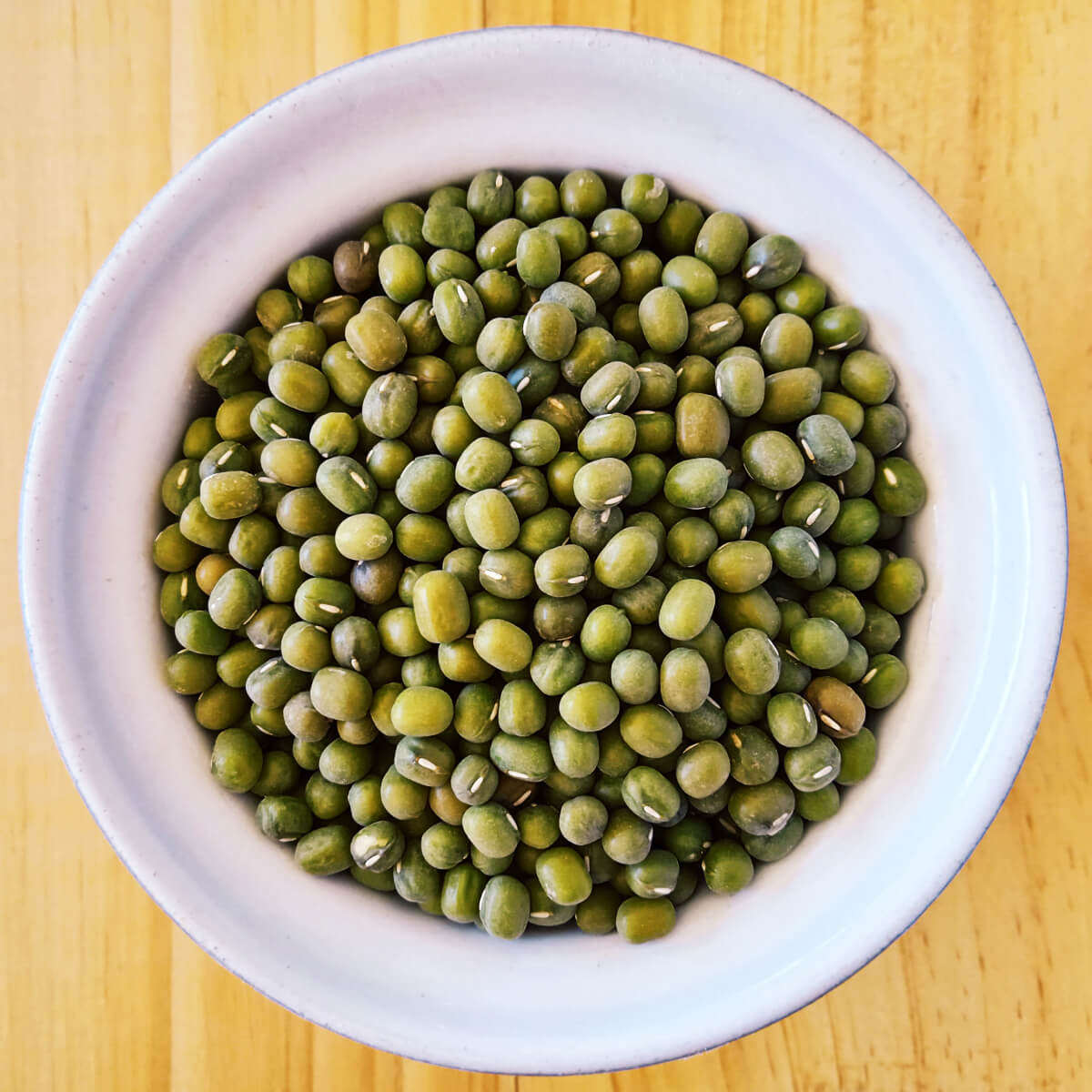
Whole Mung Beans (Green Mung): Retain their green skin, offering more fiber and slightly earthier flavor. Best for sprouting, whole bean dishes, and when you want texture.
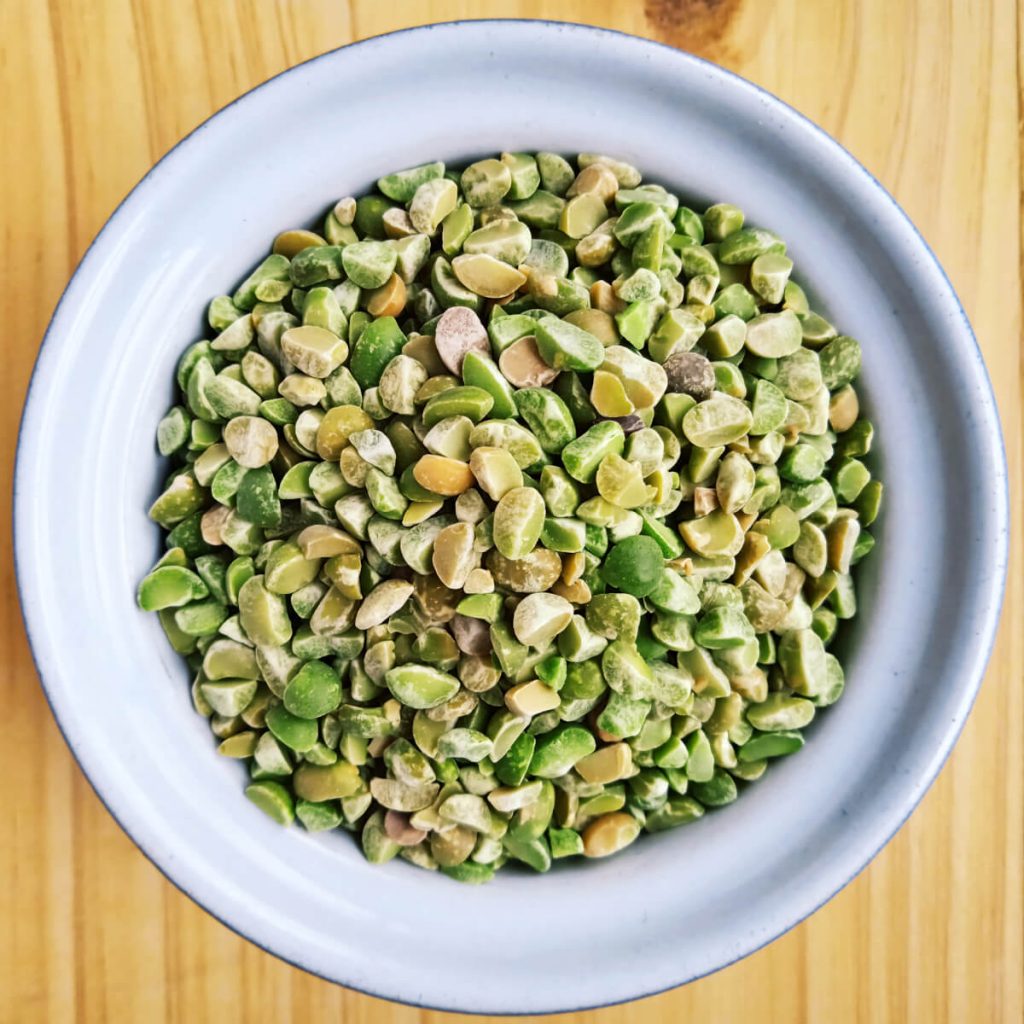
Split Mung Beans (Moong Dal): Yellow interior beans split in half, cooking even faster (20-30 minutes). Creates smoother, creamier preparations. Perfect for quick weeknight meals.
Both varieties come from the same bean—choose based on your recipe needs and desired cooking time.
Storage and Shelf Life Guidance
Dried mung beans store beautifully in airtight containers in a cool, dry place for up to a year. Keep away from moisture and direct sunlight. Once cooked, refrigerate in covered containers for up to 5 days or freeze for up to 3 months. Cooked mung beans reheat well and maintain their texture, making them excellent for meal prep strategies.
Sprouts are more delicate—store in the refrigerator in a breathable container and use within 2-3 days for optimal freshness and safety. Rinse daily to maintain freshness.
Sustainability Factor: Good for You, Good for Earth
Mung beans require minimal water compared to animal proteins and enrich soil through nitrogen fixation rather than depleting it. They grow quickly (60-90 days from seed to harvest), produce high yields in small spaces, and thrive in warm climates—making them an economically and environmentally smart crop for tropical and subtropical regions.
By choosing mung beans, you’re supporting agricultural systems that work with nature rather than against it. These legumes represent the kind of sustainable protein source our planet needs more of as we address climate challenges and food security concerns.
Ready to Experience Mung Bean Magic?
Whether you’re drawn to their quick cooking convenience, excited about sprouting your own fresh produce, or eager to explore Asian culinary traditions, premium mung beans from Blue Compost Investments deliver quality you can trust. Explore our full range of seeds and legumes and discover ingredients that make healthy eating delicious and accessible.
Want to learn more about incorporating legumes into balanced diets? The Linus Pauling Institute at Oregon State University provides comprehensive information about the health benefits of beans and legumes, including their role in disease prevention and optimal nutrition across all life stages.




Reviews
Clear filtersThere are no reviews yet.