
No products in the cart.
Return To Shop
No products in the cart.
Return To Shop
No products in the cart.
Return To Shop
No products in the cart.
Return To ShopAvailable in store

Available in store
Available in store
Whole green peas (Pisum sativum) are nutritious legumes offering complete protein and exceptional versatility in cooking.
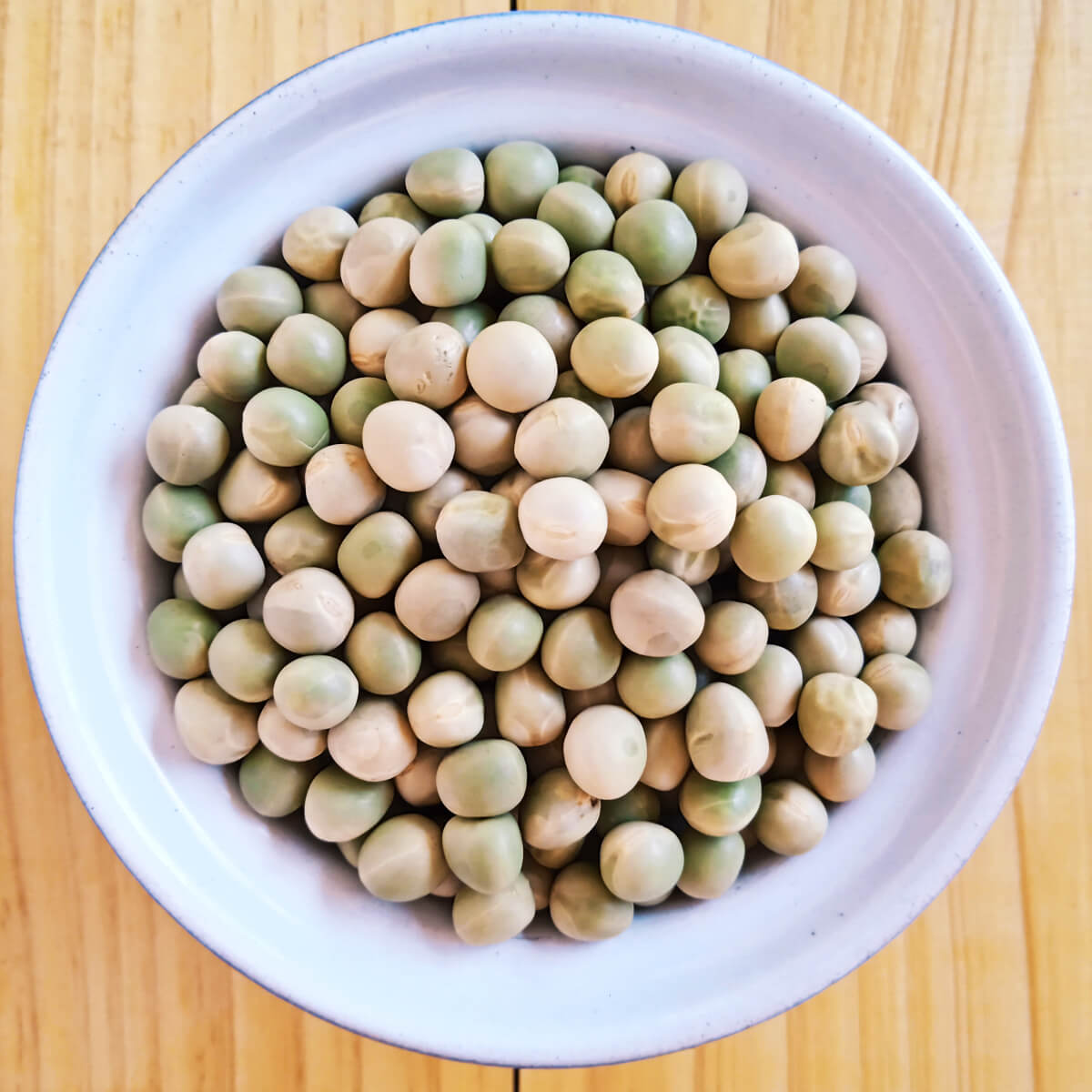
These husked, pale green peas measure approximately 1/4 inch wide with a mild, slightly sweet flavor profile.
Packed with plant-based protein, fiber, vitamins, and minerals supporting overall health and digestive wellness.
More delicate in taste than split peas, whole green peas maintain their shape during cooking for varied applications.
Perfect for soups, stews, curries, salads, and side dishes providing sustainable nutrition for diverse dietary needs.
Pay in 4 interest-free installments for orders over $2500 with BCI
 Whole Green Peas
Available in store
Whole green peas, scientifically classified as Pisum sativum, represent a distinguished member of the legume family, standing alongside other nutritional powerhouses like lentils, chickpeas, and various bean varieties. These remarkable legumes have sustained human populations for millennia, providing essential nutrition, culinary versatility, and agricultural benefits that continue to make them relevant in modern food systems. The whole green pea distinguishes itself from its split pea counterpart through both physical characteristics and subtle flavor differences that influence culinary applications and recipe selections.
The husked whole green peas typically measure approximately one-quarter of an inch in width, displaying an attractive pale green color that ranges from soft sage to slightly yellow-tinged green depending on variety and growing conditions. Unlike split peas that have been mechanically processed to remove the outer skin and separate the two halves, whole green peas retain their natural rounded shape and complete structure, offering distinct textural properties during cooking and serving. This structural integrity allows whole peas to maintain their shape throughout various cooking methods, making them suitable for applications where visual appeal and textural contrast matter.
When comparing whole green peas to their split counterparts, notable differences emerge in both flavor profile and culinary behavior. Whole green peas present a milder, more delicate flavor compared to the earthier, more robust taste characteristic of split peas. This gentler flavor profile makes whole peas particularly versatile, allowing them to complement diverse seasonings, spices, and accompanying ingredients without overwhelming other flavors in prepared dishes. The soft texture that develops during cooking creates appealing mouthfeel without the mushiness sometimes associated with overcooked legumes.
Whole green peas deliver impressive quantities of plant-based protein, providing approximately 16-18 grams of protein per cooked cup. This substantial protein content positions whole green peas as valuable protein sources for vegetarians, vegans, and anyone seeking to diversify their protein intake beyond animal sources. The protein in whole green peas contains all essential amino acids that the human body cannot synthesize independently, though like most plant proteins, certain amino acids appear in lower concentrations compared to animal proteins.
The protein quality of whole green peas can be optimized through food combining strategies that pair legumes with whole grains, creating complementary protein partnerships. When whole green peas are consumed alongside rice, quinoa, barley, or other whole grains—either in the same meal or throughout the same day—the combined amino acid profiles create complete proteins rivaling animal sources in nutritional value. This protein complementarity proves particularly important for individuals following plant-based diets who need to ensure adequate intake of all essential amino acids for optimal health, growth, and tissue maintenance.
Beyond protein, whole green peas rank among excellent dietary fiber sources, typically providing 15-17 grams of fiber per cooked cup. This exceptional fiber content includes both soluble and insoluble fiber types, each contributing distinct health benefits. Soluble fiber dissolves in water, forming gel-like substances that slow nutrient absorption, moderate blood sugar responses following meals, and help reduce LDL cholesterol levels by binding bile acids in the digestive tract. These metabolic benefits support cardiovascular health, diabetes management, and healthy body weight maintenance.
Insoluble fiber adds bulk to digestive contents, promoting regular bowel movements, preventing constipation, and supporting overall digestive tract health. The combination of fiber types in whole green peas also nourishes beneficial gut bacteria populations, contributing to healthy gut microbiome diversity. Research increasingly connects gut microbiome health to numerous aspects of overall wellness, including immune function, mental health, metabolic regulation, and disease prevention. By supporting beneficial bacterial populations, the fiber in whole green peas contributes to these broad health benefits extending far beyond basic digestive function.
Whole green peas provide an impressive array of vitamins and minerals essential for optimal health. The peas contain substantial quantities of B vitamins including thiamin (B1), which supports energy metabolism and nervous system function; folate (B9), crucial for DNA synthesis and particularly important during pregnancy; and vitamin B6, which participates in protein metabolism and neurotransmitter synthesis. These B vitamins work synergistically to support energy production, cognitive function, and numerous metabolic processes throughout the body.
The mineral content of whole green peas includes significant amounts of iron, supporting oxygen transport in blood and preventing iron-deficiency anemia; zinc, essential for immune function and wound healing; magnesium, involved in hundreds of enzymatic reactions including energy production and muscle function; and potassium, which helps regulate blood pressure and fluid balance. Phosphorus supports bone health and energy metabolism, while manganese functions as an antioxidant and supports bone formation and wound healing.
The mild flavor of whole green peas makes them remarkably adaptable across diverse culinary traditions and flavor profiles. Unlike more assertively flavored legumes, whole green peas provide subtle, slightly sweet undertones that complement rather than compete with other ingredients. This flavor neutrality allows the peas to shine in applications ranging from delicately seasoned European preparations to boldly spiced Indian and Middle Eastern dishes, adapting beautifully to whatever flavor direction the cook chooses.
The soft texture that develops during cooking creates pleasant mouthfeel without becoming mushy or losing all structure when properly prepared. This textural quality makes whole green peas suitable for applications where some legume integrity is desired, such as in grain bowls, salads, and vegetable medleys where the peas should remain distinct rather than breaking down completely. The ability to maintain shape while becoming tender allows creative cooks to incorporate whole green peas into diverse preparations with confidence in consistent textural results.
While split peas offer more pronounced earthy flavors and tend to break down completely during cooking to create creamy, thick consistencies ideal for soups and purées, whole green peas maintain their structure and provide more delicate flavoring. This distinction influences recipe selection and substitution decisions. Dishes requiring legumes that hold their shape and provide textural contrast benefit from whole green peas, while preparations seeking creamy thickness and robust flavor lean toward split peas.
The comparison to lentils proves particularly relevant given both legumes’ versatility and nutritional profiles. Like lentils, whole green peas offer exceptional nourishment with complete protein, substantial fiber, and comprehensive micronutrient profiles. Both legumes cook relatively quickly compared to many bean varieties, require no pre-soaking, and adapt beautifully to diverse culinary applications. Cooks familiar with preparing lentils will find whole green peas equally approachable and user-friendly, with similar preparation methods and cooking times producing excellent results.
Whole green peas feature prominently in traditional comfort food preparations across numerous culinary cultures. British cuisine embraces mushy peas—a preparation where whole green peas are cooked until very soft and lightly mashed—as a classic accompaniment to fish and chips. Caribbean cooking incorporates whole peas into rich, coconut-based stews seasoned with aromatic herbs and scotch bonnet peppers. Indian cuisine showcases whole green peas in numerous preparations including matar paneer (peas with cheese), aloo matar (potatoes and peas), and various curry applications where the peas add protein, texture, and visual appeal.
Hearty soups and stews benefit from whole green peas’ ability to add substance, nutrition, and pleasant texture without completely breaking down. Split pea soup may reign as the most famous pea-based soup, but whole green pea soups offer different textural experiences with peas remaining somewhat intact throughout the dish. Adding whole green peas to vegetable soups, minestrone, and meat-based stews enhances nutritional value while contributing color and subtle flavor.
Contemporary plant-based cooking embraces whole green peas as versatile ingredients in innovative preparations. Whole peas appear in Buddha bowls and grain bowls, contributing plant protein alongside quinoa, brown rice, or other whole grains. Blended cooked whole green peas create vibrant green hummus alternatives, offering fresh flavor and nutritional benefits distinct from traditional chickpea-based versions. Whole peas enrich vegetarian and vegan burgers, providing binding properties and protein content while contributing appealing green flecks throughout the patties.
Salad applications showcase whole green peas’ ability to add substance and nutrition to raw vegetable preparations. Lightly cooked or even raw whole peas (when young and tender) contribute pleasant crunch and fresh flavor to grain-based salads, pasta salads, and mixed green salads. The vibrant green color enhances visual appeal, while the nutritional contribution elevates salads from simple side dishes to satisfying main courses.
Preparing whole green peas requires no pre-soaking, though overnight soaking can reduce cooking time and may improve digestibility for some individuals. To cook whole green peas, rinse them thoroughly under running water, removing any debris or damaged peas. Combine the rinsed peas with water or broth using approximately three cups of liquid per one cup of dried peas. Bring the liquid to a boil, then reduce heat and simmer gently for 45-60 minutes until peas reach desired tenderness.
Cooking times vary depending on pea age, storage conditions, and desired final texture. Fresher peas generally cook more quickly than older stored peas. For applications where intact peas are desired, avoid overcooking which causes them to break apart and become mushy. Adding salt at the beginning of cooking can toughen pea skins and extend cooking time, so many cooks prefer adding salt toward the end of the cooking process.
The mild flavor of whole green peas serves as an excellent canvas for diverse seasoning approaches. Simple preparations might include just salt, pepper, and a pat of butter or olive oil, allowing the natural pea flavor to shine. More elaborate seasonings could incorporate aromatics like onions, garlic, and ginger; warm spices like cumin, coriander, and turmeric; or fresh herbs including mint, parsley, cilantro, and dill.
Cooking whole green peas in flavorful liquids rather than plain water dramatically enhances their taste. Vegetable broth, chicken broth, or broth enriched with tomatoes, coconut milk, or cream creates deeply flavored peas that serve as satisfying side dishes or components of more complex preparations.
When selecting whole green peas, look for uniformly sized peas with consistent pale green coloring. The peas should appear clean, free from debris, stones, or damaged specimens. Purchasing from reputable suppliers ensures proper handling and storage throughout the supply chain, maximizing the likelihood of fresh, high-quality peas that cook evenly and taste excellent.
Both conventional and organic whole green peas are available, with organic options appealing to consumers prioritizing pesticide-free foods and sustainable agricultural practices. Bulk purchasing from suppliers specializing in dried legumes often provides better value for regular users while reducing packaging waste associated with smaller retail packages.
Dried whole green peas maintain excellent quality during extended storage when kept in cool, dry conditions protected from moisture, light, and pests. Store peas in airtight containers in pantries or cupboards, where they typically remain fresh for 2-3 years. As peas age, they may require longer cooking times to achieve tenderness, though nutritional value remains largely intact. Inspect stored peas periodically for signs of moisture, pest activity, or unusual odors indicating quality deterioration.
Whole green peas represent environmentally sustainable food choices with modest ecological footprints. As legumes, peas fix atmospheric nitrogen through symbiotic relationships with soil bacteria, reducing synthetic fertilizer requirements and improving soil health for subsequent crops. The water requirements for growing peas remain modest compared to many other crops, particularly animal protein sources. The carbon footprint of producing dried peas stays substantially lower than that of meat production, making whole green peas attractive options for environmentally conscious consumers seeking to reduce dietary environmental impact.
You must be logged in to post a review.
Blue Compost Investments Fertilizer works with Farmer Associations, Corporate Farms, NPK Blenders, NGO/development partners and State Governments all over South Africa.
Subscribe us and get latest news.
* Don’t worry, we don’t spam.
Copyright © 2025 Blue Compost Investments | Rustenburg, SA
Social Chat is free, download and try it now here!
Reviews
There are no reviews yet.