Meet the Legume That Conquered the World
Walk into any kitchen across six continents and you’ll likely find chickpeas. These humble, beige-gold legumes have traveled from ancient Middle Eastern cultivation to become genuinely global staples. Indians call them chana. Italians know them as ceci. Spanish speakers say garbanzos. The names change, but the love affair remains constant.
What explains chickpeas’ universal appeal? Simple: they taste amazing, work in virtually any cuisine, and deliver serious nutrition without trying hard. Unlike some “health foods” that require mental gymnastics to enjoy, chickpeas are legitimately delicious.
Three reasons chickpeas dominate legume popularity contests:
- Mild, nutty flavor that complements rather than competes
- Creamy interior texture that ranges from firm to butter-soft depending on preparation
- Nutritional profile that checks almost every box for healthy eating
Breaking Down Chickpea Nutrition (Without the Boring Lecture)
One cup of cooked chickpeas contains approximately:
- 269 calories (substantial but not excessive)
- 15 grams protein (more than two eggs)
- 12 grams fiber (half your daily needs)
- 4 grams fat (mostly healthy polyunsaturated)
- 45 grams carbohydrates (complex, slow-digesting)
Beyond macros, chickpeas deliver micronutrient wealth: folate for cell health and pregnancy nutrition, iron for energy and oxygen transport, magnesium for muscle function and bone health, phosphorus for strong bones and teeth, plus manganese, zinc, and B vitamins.
The Protein Question Everyone Asks
“Can chickpeas really replace meat?” Not exactly—but they can definitely share the workload. Chickpea protein is incomplete, meaning it lacks optimal amounts of all essential amino acids. Specifically, they’re lower in methionine and cysteine.
The fix? Combine chickpeas with grains (rice, wheat, corn) at some point during your day. This creates complementary protein that delivers all essential amino acids your body needs. Hummus with pita? Nutritionally brilliant. Chickpea curry with rice? Complete protein achieved. Your body doesn’t need these combinations in one meal—just throughout the day.
Fiber That Actually Matters
Twelve grams of fiber per cup means chickpeas deliver both soluble and insoluble types. Soluble fiber dissolves, forming gel that slows digestion, moderates blood sugar spikes, and helps remove cholesterol. Insoluble fiber adds bulk, promotes regular bowel movements, and feeds beneficial gut bacteria.
This fiber combo explains why chickpeas keep you satisfied for hours. No mid-afternoon energy crash. No desperate snacking. Just steady, sustained energy that carries you through your day.
From Hummus to Chana Masala: Chickpeas Around the Globe
Middle Eastern Mastery
Hummus needs no introduction—that creamy, garlicky dip made from blended chickpeas, tahini, lemon, and garlic. But Middle Eastern chickpea repertoire extends far beyond. Falafel transforms soaked (not cooked) chickpeas into crispy, herb-packed fritters. Fattoush salads include chickpeas for protein. Msabbaha features warm whole chickpeas swimming in tahini sauce.
Indian Innovations
Indian cuisine might use chickpeas more creatively than anywhere else. Chana masala simmers chickpeas in spiced tomato gravy until each bean absorbs aromatic complexity. Chole bhature pairs spicy chickpea curry with fried bread for indulgent weekend breakfast. Chana chaat tosses chickpeas with onions, tomatoes, chilies, and tangy tamarind for addictive street food.
Then there’s chickpea flour (besan), ground from roasted chickpeas. Indians use it for crispy pakoras, savory pancakes, and sweet treats. It’s gluten-free, protein-rich, and opens entire categories of recipes for people avoiding wheat.
Mediterranean Magic
Italians add chickpeas to pasta e ceci, a rustic soup-stew hybrid that’s pure comfort. Spanish cuisine features cocido, a hearty chickpea stew with meats and vegetables. Greek cooking includes chickpeas in lemon-herb preparations that highlight the legume’s natural flavor.
Modern Fusion
Contemporary chefs roast chickpeas with creative seasonings—everything bagel spice, buffalo sauce flavor, chocolate-covered dessert versions. They’re blended into veggie burgers, tossed into grain bowls, and featured in meal prep containers worldwide. The chickpea renaissance is real.
Cooking Chickpeas: Methods That Deliver Results
The Overnight Soak Standard
Traditional wisdom says soak chickpeas 8-12 hours before cooking. This reduces cooking time, improves digestibility, and helps chickpeas cook more evenly. Change the soaking water, add fresh water for cooking, and simmer 60-90 minutes until tender.
Soaking benefits worth your time:
- Reduces cooking time by 30-40%
- Breaks down complex sugars that cause gas
- Improves mineral absorption
- Results in more evenly cooked beans
Quick Soak When Life Happens
Bring chickpeas and water to boil, remove from heat, cover, and let sit one hour. Drain, add fresh water, cook 45-75 minutes. Not quite as good as overnight soaking, but gets dinner on the table when you forgot to plan ahead.
Pressure Cooker Revolution
Modern pressure cookers changed chickpea cooking completely:
- Soaked chickpeas: 15-20 minutes at pressure
- Unsoaked chickpeas: 40-50 minutes at pressure
- Natural release: 15-20 minutes after cooking
Pressure cooking produces consistently tender chickpeas with minimal hands-on time. Plus, you can cook chickpeas from dry to done in under an hour without pre-soaking.
Canned Chickpeas: No Shame in the Game
Canned chickpeas are convenient, safe, and nutritious. They’ve already been cooked, so just drain, rinse, and use. The texture differs slightly from home-cooked (slightly softer), and sodium content runs higher unless you buy no-salt-added versions. But for quick weeknight meals? Canned chickpeas are completely legitimate.
When canned makes sense:
- Hummus (texture doesn’t matter when blending)
- Last-minute salads and grain bowls
- Quick curry additions
- Time-pressed weeknight cooking
When dried beats canned:
- You want firmer texture
- Making large batches for meal prep
- Cost matters (dried is much cheaper by volume)
- You prefer controlling sodium content
Secret Tricks for Better Chickpeas
Baking soda in cooking water (1/4 teaspoon per cup dried chickpeas) speeds cooking and helps skins soften. Don’t overdo it—too much creates mushy beans and off flavors.
Save the cooking liquid (aquafaba). This starchy water whips into meringue-like foam that works as egg white replacement in baking. Three tablespoons aquafaba = one egg white.
Remove skins for silky hummus. After cooking, while still warm, rub chickpeas between towels. Skins slip off easily. This extra step creates restaurant-quality hummus smoothness.
Toast before adding to salads. Dry chickpeas on towels, toss with oil, roast at 400°F for 20-30 minutes. The result? Crunchy texture and concentrated flavor that elevates any salad.
Storage Strategies for Maximum Freshness
Dried chickpeas: Airtight containers in cool, dry pantry spaces last 1-2 years minimum. Older chickpeas take longer to cook but remain edible and nutritious.
Cooked chickpeas: Refrigerate in covered containers with some cooking liquid for up to one week. Keep moist to prevent drying out.
Freezer banking: Cook large batches, portion into freezer bags (2-3 cups per bag), press out air, freeze flat for easy stacking. Frozen cooked chickpeas last 3-6 months and thaw quickly under cold water or in the microwave.
Health Benefits Beyond Basic Nutrition
Regular chickpea consumption links to several health advantages backed by research:
Heart health improvement: The soluble fiber, potassium, and plant compounds in chickpeas may help lower cholesterol and support healthy blood pressure. Studies show people who eat legumes regularly have reduced cardiovascular disease risk.
Blood sugar management: Low glycemic index plus high fiber means chickpeas cause gradual, steady blood sugar increases rather than spikes. This makes them valuable for diabetes management and prevention.
Weight management support: The protein-fiber combination promotes satiety and reduces overall calorie intake. Research participants who ate chickpeas regularly reported feeling fuller and ate fewer processed snacks.
Digestive health promotion: Both types of fiber support beneficial gut bacteria, promote regular bowel movements, and may reduce colorectal cancer risk according to population studies.
Sourcing Matters More Than You Think
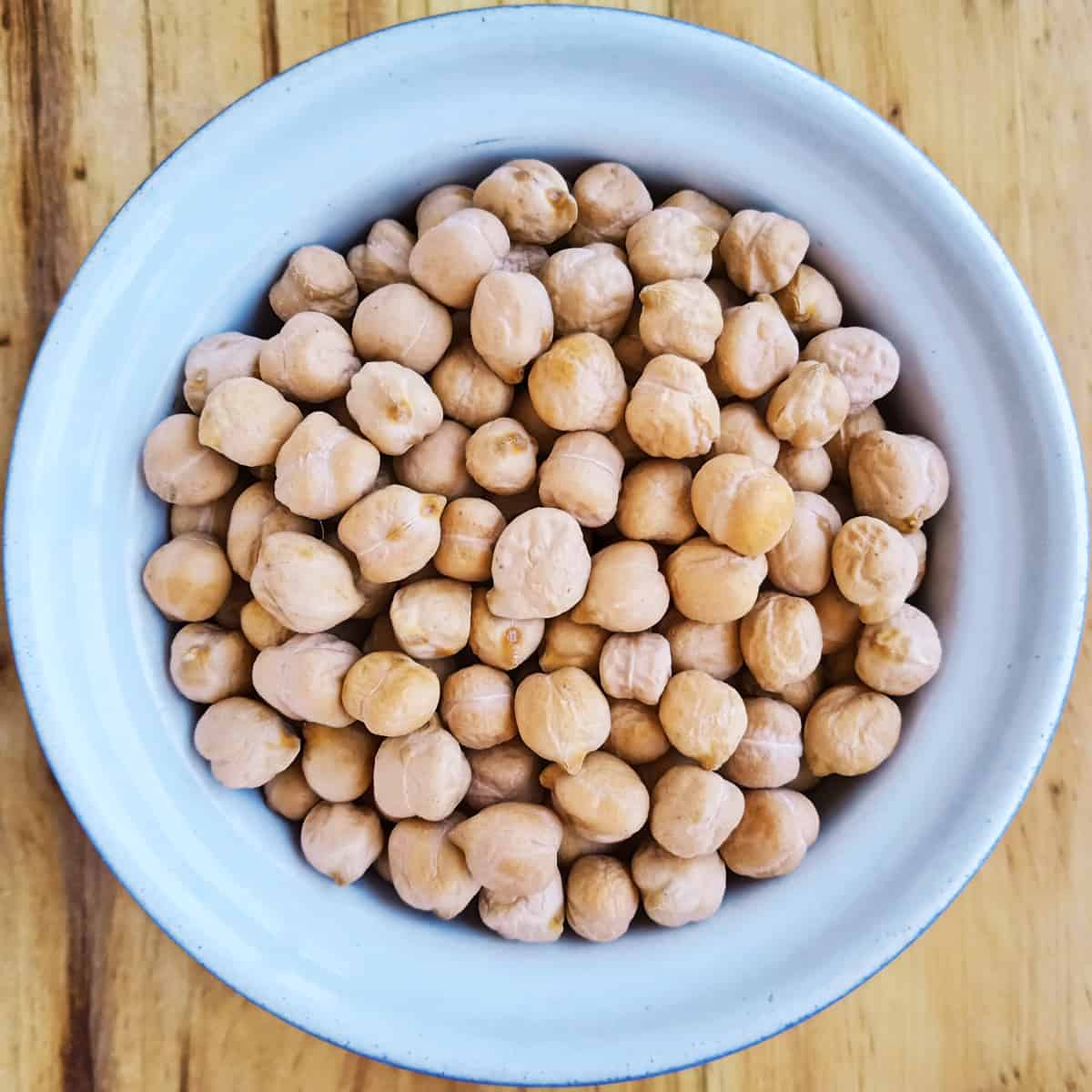
Quality chickpeas cook more evenly, taste better, and provide better nutrition. Look for uniform size (indicates good processing), cream to light tan color (deep yellow or green suggests age), and clean appearance without excessive debris.
Your source for premium chickpeas should prioritize freshness, proper storage, and thorough cleaning. Whether you’re stocking a restaurant kitchen, preparing family meals, or exploring plant-based eating, ingredient quality determines recipe success. Browse quality legume selections that meet professional standards while remaining accessible for home cooks.
Research continues validating what traditional cultures knew instinctively. According to The American Journal of Clinical Nutrition, regular pulse consumption, including chickpeas, associates with improved diet quality, better nutrient intake, and reduced risk of chronic diseases. These aren’t just affordable pantry staples—they’re functional foods that actively support long-term health.
Ready to explore chickpea possibilities? Start simple with roasted chickpea snacks or classic hummus, then expand into curries, salads, and global preparations. Discover why Blue Compost Investments customers trust our commitment to quality legumes that perform consistently in every recipe. Your kitchen—and your body—deserve ingredients that deliver.






Reviews
Clear filtersThere are no reviews yet.