


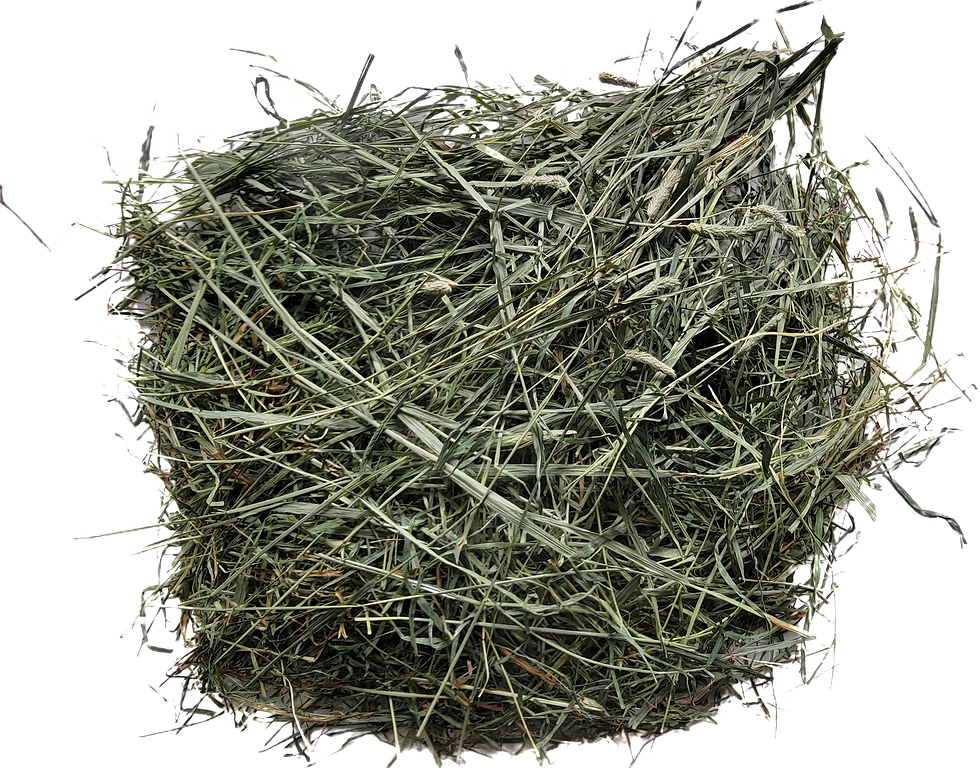

Understanding Timothy Hay and Its Exceptional Nutritional Profile
Timothy hay represents the pinnacle of quality forage for horses and other livestock, earning its reputation as the most digestible of all hay varieties available on the market today. This exceptional grass hay has become the cornerstone of equine nutrition programs worldwide, trusted by horse owners, trainers, veterinarians, and nutritionists for its consistent quality and remarkable health benefits. The digestibility factor of timothy hay sets it apart from other forage options, allowing horses to efficiently extract and utilize nutrients while minimizing digestive stress and discomfort.
The popularity of timothy hay among horse owners stems from its unique combination of nutritional characteristics that align perfectly with equine digestive physiology. Unlike richer legume hays or higher-protein grass varieties, timothy provides a balanced nutritional profile that supports overall health without overwhelming the horse’s system with excessive protein or calories. This makes timothy hay suitable for a remarkably wide range of horses, from growing youngsters to senior citizens, from performance athletes to easy keepers requiring careful weight management.
Health Benefits and Digestive Advantages
Promoting Optimal Digestive Function
One of the most celebrated attributes of timothy hay involves its positive impact on digestive health and function. The hay promotes good digestion through its ideal fiber structure and composition, which encourages proper gut motility and supports beneficial microbial populations in the horse’s hindgut. Regular feeding of quality timothy hay contributes to bowel regularity, reducing the risk of impaction colic and other digestive disturbances that can threaten horse health and wellbeing.
The fiber content in timothy hay provides the bulk and roughage that horses need to maintain healthy digestive transit times. As natural grazing animals, horses evolved to consume large quantities of fibrous plant material throughout the day, and timothy hay closely mimics the nutritional characteristics of natural pasture grasses. This physiological match between the hay and the horse’s digestive needs explains why timothy hay supports such excellent digestive outcomes.
Supporting Coat Quality and Overall Condition
Horse owners consistently report that their animals develop and maintain a shiny coat when timothy hay forms the foundation of their feeding program. This visible indicator of health reflects the hay’s complete nutritional package, including essential vitamins, minerals, and the balanced energy content that supports cellular health throughout the body. The lustrous coat that results from timothy hay feeding demonstrates that the horse is receiving adequate nutrition and successfully absorbing and utilizing the nutrients provided.
Beyond coat quality, timothy hay helps horses achieve and maintain a healthy weight appropriate to their body type, age, and activity level. The moderate calorie content prevents excessive weight gain in sedentary horses while still providing sufficient energy for horses in regular work. This versatility makes timothy hay an excellent choice for diverse horse populations, from backyard companions to competitive sport horses.
Specialized Applications for Horses with Dietary Sensitivities
Benefits for Colic-Prone Horses
Horses with a history of colic episodes benefit tremendously from timothy hay as their primary forage source. The excellent digestibility and appropriate fiber structure of timothy hay reduce the risk factors associated with various types of colic, including impaction colic, gas colic, and displacement issues. The consistent texture and quality of timothy hay, when properly harvested and stored, minimize the digestive challenges that can trigger colic episodes in susceptible animals.
Veterinarians frequently recommend timothy hay for colic-prone horses because it provides the necessary roughage for gut health while avoiding the richness of alfalfa or other legume hays that might contribute to digestive upset in sensitive individuals. The predictable nutritional profile of timothy hay allows for careful diet management that supports digestive stability.
Ideal for Protein-Sensitive Horses
Certain horses demonstrate sensitivity to high-protein diets, developing issues ranging from increased excitability to actual metabolic problems when fed protein-rich forages like alfalfa. Timothy hay offers an excellent alternative for these protein-sensitive horses, providing adequate but not excessive protein levels that support maintenance needs without overwhelming the horse’s system.
The lower protein content of timothy hay (typically 8-12% crude protein depending on cutting and maturity) falls within the ideal range for most horses not in heavy work or reproduction. This moderate protein level reduces the metabolic burden on the kidneys and liver while still meeting the animal’s nutritional requirements for tissue maintenance and repair.
Supporting Weight Management in Obese Horses
Obesity represents a serious health concern in modern horse populations, contributing to laminitis, metabolic syndrome, and reduced athletic performance. Timothy hay serves as a valuable tool in weight management programs for obese horses, providing essential bulk and chewing satisfaction while controlling calorie intake. The high fiber and moderate calorie content allows horses to consume adequate forage volumes to satisfy their psychological need to chew and their physiological need for gut fill, all while operating within appropriate calorie limits for weight loss or maintenance.
Botanical Characteristics and Growing Profile
Timothy as a Perennial Grass Species
Timothy hay derives from Phleum pratense, commonly known as timothy-grass, meadow cat’s-tail, or common cat’s tail. This perennial grass belongs to the genus Phleum, which encompasses approximately 15 species of both annual and perennial grasses. As a true perennial, timothy establishes deep root systems that allow stands to persist for multiple years with proper management, making it an economical and sustainable forage crop.
The grass is native to most of Europe with the notable exception of the Mediterranean region, thriving in cool, moist temperate climates. Timothy’s European origins have translated well to North American growing conditions, particularly in northern regions where cool-season grasses perform optimally. The plant’s adaptation to temperate climates results in hay with consistent characteristics that producers and consumers can rely upon year after year.
Growth Habits and Hay Production
Timothy grass develops characteristic cylindrical seed heads that give rise to its “cat’s-tail” common names. The plant typically reaches heights of 20-40 inches at maturity, with variations depending on soil fertility, moisture availability, and cutting management. Most timothy hay production involves harvesting the grass before full seed head maturity to optimize the balance between yield and nutritional quality.
The timing of timothy hay harvest significantly impacts its nutritional profile and texture. Early-cut timothy, harvested before or during early heading, offers higher protein content and increased digestibility with finer stem structure. Late-cut timothy, harvested after seed heads fully develop, provides more mature forage with increased fiber content and lower nutritional density. Understanding these variations helps horse owners select the appropriate timothy hay quality for their specific animals’ needs.
Quality Factors and Selection Guidelines
Evaluating Timothy Hay Quality
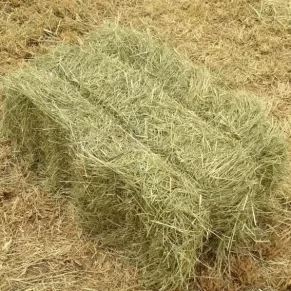
Selecting high-quality timothy hay requires attention to several key factors that indicate proper harvest timing, careful handling, and appropriate storage. Premium timothy hay displays a fresh green color throughout the bale, indicating that it was harvested at optimal maturity and dried properly to preserve nutrients. Excessive brown coloration suggests over-maturity at cutting, weather damage during curing, or improper storage that allowed heat or moisture damage.
The aroma of quality timothy hay should be fresh and slightly sweet, never musty, moldy, or dusty. Strong, pleasant hay aroma indicates proper curing and storage without moisture problems or fermentation issues. Physical inspection should reveal clean hay free from weeds, dirt, mold, or foreign materials. The stem thickness provides clues about maturity at cutting, with finer stems generally indicating earlier harvest and higher nutritional value.
Storage and Handling Considerations
Proper storage protects timothy hay quality from environmental factors that can degrade nutritional value and palatability. Hay stored under cover in well-ventilated facilities maintains quality far better than hay exposed to weather elements. Elevating bales off the ground prevents moisture wicking from soil, reducing mold risk and preserving the hay’s nutritional integrity throughout the storage period.
Feeding Recommendations and Best Practices
Horses should receive timothy hay as free-choice forage whenever possible, allowing them to consume small amounts throughout the day in a pattern that mimics natural grazing behavior. For horses requiring restricted intake due to weight concerns, measured portions totaling approximately 1.5-2% of body weight daily (on a dry matter basis) typically provide adequate forage while supporting gradual weight loss or maintenance.
Quality timothy hay often supplies sufficient nutrition for mature horses at maintenance without requiring grain supplementation. However, horses in heavy work, growing youngsters, pregnant or lactating mares, and senior horses with dental issues may require additional concentrate feeds or supplements to meet their elevated nutritional demands. Consultation with an equine nutritionist helps develop appropriate feeding programs that optimize timothy hay utilization while addressing individual horse requirements.




Reviews
There are no reviews yet.