Understanding Wheat Straw and Its Agricultural Significance
Wheat straw represents far more than just the leftover material from wheat harvest—it stands as one of agriculture’s most versatile and valuable byproducts with an impressive range of practical applications. This renewable agricultural resource has served farming communities for centuries, yet continues to find new uses in our modern world, from traditional livestock bedding to innovative sustainable building materials and renewable energy production. The widespread availability and affordability of wheat straw make it an accessible solution for farmers, gardeners, builders, and environmentally conscious consumers seeking sustainable alternatives to conventional materials.
Understanding the fundamental difference between straw and hay helps clarify why wheat straw offers such unique benefits and applications. While hay represents a crop specifically grown and harvested as feed for cattle, horses, and other farm animals, straw functions as a byproduct of grain production. In most agricultural regions, wheat straw predominates as the most commonly available straw type, though oat straw, barley straw, and rice straw also serve similar purposes depending on local crop patterns and farming practices.
Traditional Agricultural Applications
Premium Animal Bedding Solution
One of the most traditional and widespread uses of wheat straw involves providing comfortable, absorbent bedding for livestock operations of all sizes. Farmers and ranchers value wheat straw bedding for its exceptional absorbency, natural cushioning properties, and ability to maintain relatively dry conditions in animal housing. The hollow stem structure of wheat straw creates excellent insulation, keeping animals warmer during cold weather while absorbing moisture and odors effectively throughout the year.
Wheat straw bedding works particularly well for horses, cattle, pigs, chickens, and other farm animals, providing a comfortable resting surface that promotes animal health and wellbeing. The material’s natural properties reduce the risk of respiratory issues compared to dustier bedding alternatives, while its biodegradable nature simplifies manure management and composting processes. After use as bedding, the manure-enriched straw transforms into valuable compost material that returns nutrients to agricultural soils, creating a sustainable closed-loop system within farming operations.
Effective Garden Mulch and Soil Amendment
Gardeners and landscape professionals increasingly recognize wheat straw as an excellent mulching material for vegetable gardens, flower beds, and ornamental plantings. Applied as a 2-4 inch layer around plants, wheat straw mulch suppresses weed growth by blocking light from reaching weed seeds, while simultaneously conserving soil moisture by reducing evaporation rates. The mulch layer moderates soil temperatures, keeping roots cooler during hot summer months and providing some insulation during temperature fluctuations.
Interestingly, wheat straw mulch decomposes considerably faster than wood chip mulches, offering distinct advantages for annual gardens and frequently replanted areas. In well-managed gardens with adequate soil moisture and microbial activity, wheat straw mulch typically breaks down within several months, gradually releasing nutrients as it decomposes and improving soil structure through organic matter addition. However, in less actively managed situations or under drier conditions, the decomposition process may extend to one or two years. This relatively rapid breakdown means gardeners need to replenish straw mulch more frequently than wood-based alternatives, but it also prevents the long-term nitrogen tie-up sometimes associated with slower-decomposing wood products.
Innovative Modern Applications
Quality Cattle Forage and Feed Supplement
Beyond its traditional uses, wheat straw serves as a viable forage option for cattle operations, particularly during periods when fresh pasture is unavailable or as a supplemental roughage source. While straw contains lower nutritional value than hay due to its nature as a grain byproduct rather than a leafy forage crop, it provides beneficial fiber that supports healthy rumen function in cattle. Producers often combine wheat straw with higher-protein feeds, creating balanced rations that meet cattle nutritional requirements while controlling feed costs.
The use of wheat straw as cattle feed works particularly well for maintaining beef cattle during low-requirement periods or providing fiber to animals receiving high-concentrate diets. The straw’s structure encourages rumination and provides the physical roughage that cattle need for optimal digestive health. When properly supplemented with protein, minerals, and vitamins, wheat straw-based feeding programs deliver cost-effective nutrition for various classes of cattle.
Renewable Energy and Biofuel Production
The renewable energy sector has identified wheat straw as a valuable feedstock for sustainable energy production through multiple pathways. Biomass heating systems can burn compressed wheat straw pellets or bales, providing carbon-neutral heat for agricultural buildings, greenhouses, and even residential applications in rural areas. The relatively low moisture content and consistent burning characteristics of wheat straw make it suitable for specialized biomass furnaces and boilers designed to handle agricultural residues.
Additionally, wheat straw serves as a promising feedstock for cellulosic ethanol production, representing a non-food crop source for renewable fuel generation. Advanced biorefineries can convert the cellulose and hemicellulose in wheat straw into fermentable sugars, which are then processed into ethanol. This application transforms what was once considered agricultural waste into valuable renewable fuel, contributing to energy independence while reducing greenhouse gas emissions compared to fossil fuel alternatives.
Sustainable Building and Construction Material
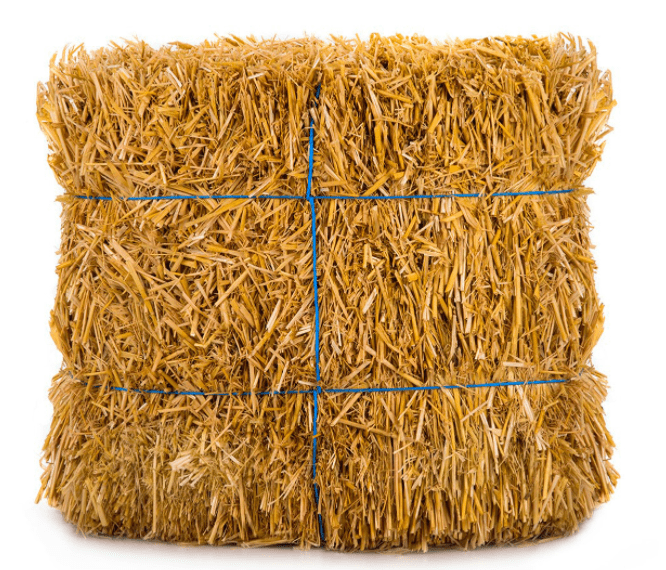
Perhaps one of the most innovative applications of wheat straw involves its use as a building material in straw bale construction. This sustainable building technique uses compressed wheat straw bales as structural elements or insulation in walls, creating highly energy-efficient buildings with excellent thermal and acoustic properties. Straw bale construction offers remarkable insulation values, often exceeding conventional building methods while utilizing a renewable, locally available material with minimal embodied energy.
Modern straw bale buildings, when properly designed and constructed with appropriate moisture management and protective finishes, provide durable, comfortable, and environmentally responsible housing solutions. The thick straw bale walls create substantial thermal mass, moderating indoor temperatures and reducing heating and cooling costs significantly. This construction method has gained recognition in green building circles for its combination of sustainability, energy efficiency, and aesthetic appeal.
Environmental and Economic Benefits
Sustainability and Carbon Sequestration
Wheat straw utilization contributes positively to environmental sustainability through multiple mechanisms. Rather than burning crop residues in fields—a practice that releases carbon dioxide and particulate matter into the atmosphere—harvesting and using wheat straw captures this agricultural byproduct for beneficial purposes. When used as animal bedding, garden mulch, or building material, wheat straw temporarily sequesters carbon that was captured from the atmosphere during the wheat plant’s growth, delaying its return to the carbon cycle.
The renewable and biodegradable nature of wheat straw makes it an environmentally preferable alternative to many synthetic materials and non-renewable resources. As straw naturally decomposes, whether in compost piles, garden beds, or agricultural soils, it releases nutrients gradually and improves soil structure, supporting long-term soil health and agricultural productivity.
Economic Advantages for Farmers and Consumers
From an economic perspective, wheat straw offers value to both producers and users. Wheat farmers gain additional income from selling straw that would otherwise represent a disposal challenge or require field burning. This supplementary revenue stream improves overall farm profitability while providing an incentive to harvest rather than burn crop residues.
For consumers and end users, wheat straw typically costs less than many alternative materials while delivering comparable or superior performance for many applications. The local availability of wheat straw in grain-producing regions reduces transportation costs and supports local agricultural economies. Small-scale users appreciate that straw can often be purchased in individual bales for modest projects, while commercial operations benefit from bulk purchasing options that maximize cost efficiency.
Selection, Storage, and Handling Considerations
Quality Assessment
Selecting quality wheat straw requires attention to several key indicators. Premium wheat straw appears golden yellow to light tan in color, indicating proper drying after harvest and minimal weather exposure. The straw should emit a fresh, pleasant smell without any musty or moldy odors that would suggest moisture problems or improper storage. Physical examination should reveal clean straw free from excessive dirt, weed seeds, and grain heads that could cause problems in certain applications.
The stem quality provides additional information about straw condition. Well-baled wheat straw maintains reasonable structural integrity with stems that aren’t excessively broken or pulverized, particularly important for applications like animal bedding and mulching where longer stem lengths perform better.
Proper Storage Practices
Protecting wheat straw quality during storage requires keeping bales dry and off the ground to prevent moisture absorption from soil. Indoor storage in barns or covered facilities provides ideal protection from precipitation and humidity, preserving straw quality for extended periods. When outdoor storage becomes necessary, covering straw piles with tarps or placing bales on pallets helps minimize weather exposure and moisture damage, though some degradation of exterior bales typically occurs in outdoor storage situations.
Adequate ventilation around stored straw prevents heat buildup and condensation that could lead to mold growth or spontaneous combustion in rare cases involving high-moisture bales. Regular inspection of stored straw helps identify any developing problems before they compromise significant quantities of material.





Reviews
Clear filtersThere are no reviews yet.